
Desserts
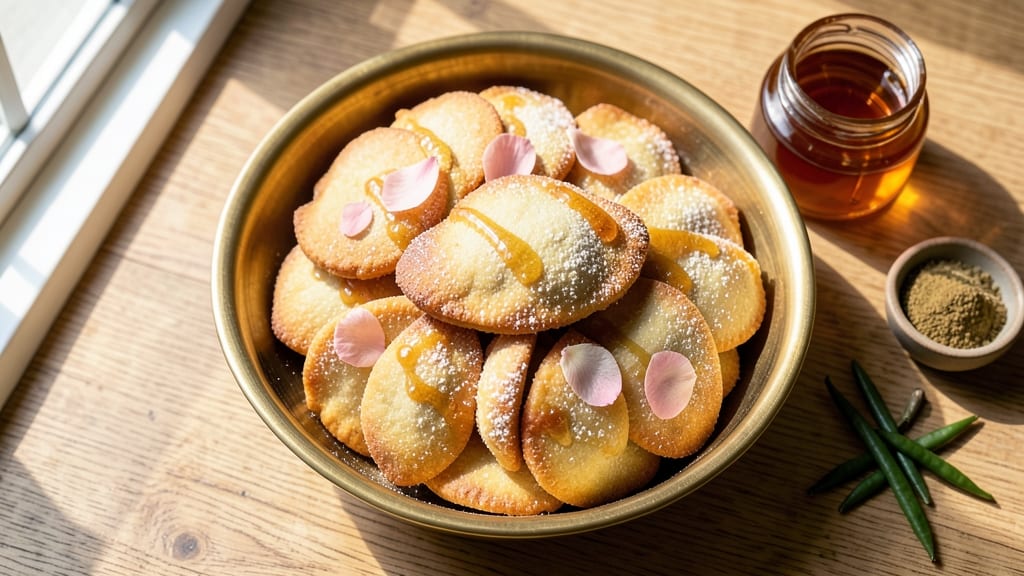
Egyptian cookies recipe brings the aromatic flavors of Cairo to your kitchen with cardamom’s warm spice and rosewater’s delicate bloom. These traditional treats—often called ka’ak—balance sweet semolina crunch with tender honeyed centers, creating a texture that’s both satisfying and nostalgic.
The secret lies in precise measurements and patient baking, where layers of flavor develop slowly in the oven.
What makes these cookies truly special is their cultural heritage, blending Middle Eastern spices with floral notes that evoke bustling spice markets. Cardamom’s earthy warmth pairs perfectly with rosewater’s floral brightness, while semolina provides that signature crispy bite.
Unlike many Western cookies, these rely on honey for natural sweetness rather than refined sugar, giving them a deeper, more complex flavor profile.
The result is a batch of golden, fragrant cookies with a delicate crunch that gives way to a soft, honey-infused center. Each bite carries layers of cardamom’s piney aroma and rosewater’s subtle floral sweetness—flavors that transport you to the streets of Cairo.
These aren’t just cookies; they’re a taste of tradition, perfect for sharing or savoring with tea.
While the classic version uses semolina, you can experiment with almond flour for a nutty twist or add pistachios for extra texture. The key is patience: letting the dough rest ensures even baking, while proper cooling prevents them from becoming too soft.
Whether you’re baking for a celebration or simply craving a taste of Egypt, these cookies deliver authentic flavor with professional results.
Ingredients for egyptian cookies
Semolina flour, cardamom, and rosewater create these fragrant Egyptian cookies with perfect crunch and tender centers.
| Ingredient | Amount | Notes |
|---|---|---|
| Semolina Flour 🌾 | 2 cups | Fine grind for crisp texture |
| Unsalted Butter 🧈 | ¾ cup | Cold, cubed for dough consistency |
| Granulated Sugar 🍚 | ½ cup | White sugar preferred |
| Honey 🍯 | ½ cup | Thick variety like clover |
| Ground Cardamom 🌿 | 1 ½ tsp | True green cardamom pods preferred |
| Rosewater 🌸 | 1 tbsp | Pure, food-grade quality |
| Vanilla Extract 🌺 | ½ tsp | Pure vanilla preferred |
| Large Eggs 🥚 | 1 whole | Room temperature for mixing |
| Baking Powder 🍞 | ½ tsp | Aluminum-free preferred |
| Fine Sea Salt 🧂 | ¼ tsp | For balancing sweetness |
| Pistachios 🥜 | ½ cup | Shell-free, chopped optional |
| Powdered Sugar 🍚 | ¼ cup | For rolling finished cookies |
The semolina is non-negotiable—its fine texture gives these cookies that signature crispy bite. Bob's Red Mill or King Arthur brands work best, but check for 'fine' on the package. Cardamom should be green pods, ground fresh—the black pods are milder. Rosewater is trickier to find, so hit the international aisle at Whole Foods or Middle Eastern markets. I always buy extra because it's pricey and disappears fast. The butter needs to be cold and cubed—don't let it soften before mixing, or the dough will be too sticky. For pistachios, shelled and lightly toasted adds that extra crunch, but skip them if you prefer classic version.
No cardamom? Cinnamon plus nutmeg at half the amount gets you close, but it won't be authentic. Rosewater hard to find? Orange blossom water at double the amount works, though the flavor shifts slightly. Short on semolina? Almond flour at 1:1 ratio changes texture but keeps the nutty base. The honey should be thick and dark—manuka or clover work best. If your honey is runny, warm it gently to thicken before measuring. For the butter, European-style has higher fat content, which gives a richer dough. No vanilla? Vanilla bean paste adds speckles and deeper flavor.
Store the dough in the fridge for up to 3 days—it actually improves with resting. Baked cookies keep in an airtight container for 5-7 days, but they're best fresh. For long-term storage, freeze the dough balls (unbaked) for up to 3 monthsDo it right before serving—it melts off if you wait. These cookies reheat beautifully—just 10 seconds in the microwave to revive the crunch.
Why You'll Love This Recipe
- No-Fuss Dough: Just mix, shape, and bake—no rolling, no fuss. The semolina flour gives it that perfect crumbly texture without needing fancy techniques, and the butter stays cool enough to handle even when it’s hot in your kitchen.
- Honey-Cardamom Magic: That warm honey and ground cardamom? It’s like a cozy hug in cookie form. The sugar caramelizes just enough to give them a subtle crisp edge, but the honey keeps them tender—no one will guess they’re basically just flour and butter with a little spice.
- Tea Time Hero: I keep a batch in the pantry for when friends drop by—no need for fancy desserts. They’re sturdy enough to pack in lunchboxes (yes, even my kids’), and the cardamom pairs perfectly with chai or black coffee. Honestly, they’ve saved me from buying store-bought cookies more times than I can count.
- Budget-Friendly Staples: Semolina and butter are pantry basics, and you’ll use up leftover sugar and honey instead of letting them sit. A single batch stretches for days, and if you freeze half, you’ve got a last-minute dessert covered—no wasted ingredients here.
Step-by-step instructions for Egyptian cookies
Here's how to craft these fragrant, melt-in-your-mouth cookies with perfect texture every time.
Mix Dry Ingredients for Even Flavor
In a medium bowl, whisk together the 2 cups semolina flour, 1.5 teaspoons ground cardamom, 0.5 teaspoon baking powder, and 0.25 teaspoon fine sea salt. I like to sift these ingredients through a fine-mesh sieve first—this prevents lumps in the final dough and ensures the cardamom distributes evenly throughout. The semolina gives these cookies their signature crisp texture, so don't skip sifting it.
Set this mixture aside while you prepare the wet ingredients. The cardamom's warm, citrusy aroma will start filling your kitchen—this is where the magic begins. If you're using whole cardamom pods, grind them just before mixing to preserve their freshness and potency.
Cream Butter, Sugar, and Honey
In a separate large bowl, combine the 0.75 cup cold cubed unsalted butter, 0.5 cup granulated sugar, and 0.5 cup honey. Using a wooden spoon or rubber spatula, mix these ingredients together until the butter begins to soften and the mixture becomes light and fluffy. The cold butter should create a crumbly texture at first, but as you work it, it will gradually come together.
Here's the thing—don't use warm butter. Cold butter creates pockets of steam during baking that result in those beautiful, airy layers between the cookie's crisp exterior and tender interior. Work quickly but gently to avoid melting the butter completely before adding the other ingredients.
Combine Wet Ingredients and Form Dough
Add the 1 whole large egg, 1 tablespoon rosewater, and 0.5 teaspoon vanilla extract to the butter mixture. Mix vigorously until fully incorporated, then gradually add the dry ingredients while stirring with a wooden spoon. The dough will initially be crumbly, but as you continue mixing, it should begin to come together into a soft, pliable mass.
If the dough feels too dry, add 1-2 teaspoons of cold water to help bind it. The rosewater adds a delicate floral note that pairs beautifully with the cardamom's warmth. Be careful not to overmix—the dough should be soft but not sticky. Once combined, cover the bowl with plastic wrap and refrigerate for at least 30 minutes to allow the flavors to meld and the dough to firm up slightly.
Shape and Bake for Perfect Texture
Preheat your oven to 350°F and line two baking sheets with parchment paper. Remove the dough from the refrigerator and divide it into 4 equal portions. On a lightly floured surface, roll each portion into a log about 1 inch in diameter. Using a sharp knife, cut each log into 1-inch thick rounds and place them 2 inches apart on the prepared baking sheets.
Bake for 12-15 minutes until the edges are light golden brown and the tops look slightly puffed. The centers should still appear slightly soft when you press gently—they'll firm up as they cool. Rotate the baking sheets halfway through baking to ensure even cooking. Real talk: your oven might run hot, so start checking at the 12-minute mark to avoid overbaking.
Finish with Pistachios and Powdered Sugar
Remove the cookies from the oven and let them cool on the baking sheets for 5 minutes before transferring them to a wire rack. While still warm, press 0.5 cup chopped pistachios lightly onto the tops of the cookies. This adds a beautiful crunch and nutty contrast to the soft interior. Finally, dust the cooled cookies generously with 0.25 cup powdered sugar for that classic Egyptian cookie finish.
These cookies taste best fresh but can be stored in an airtight container at room temperature for up to 5 days. The flavors deepen as they sit, making them even more irresistible. Serve them with mint tea for the ultimate Egyptian experience—you'll be transported to the bustling streets of Cairo with every bite.
Pro Tips For Making Egyptian Cookies
- Chill the Dough: Let the semolina dough rest in the fridge for at least 30 minutes before rolling—this prevents the cookies from spreading too much when baked. I learned this the hard way after watching my first batch turn into sad, flat pancakes.
- Toast the Semolina: Lightly toast the semolina flour in a dry pan for 2-3 minutes until it smells nutty—this deepens the flavor and prevents a raw taste. Skip this, and your cookies will taste like floury cardboard.
- Butter Matters: Use cold, unsalted butter straight from the fridge, cut into small cubes—it creates flaky layers instead of greasy messes. I used to soften it, and the cookies turned out dense and greasy.
- Honey First: Mix the honey into the wet ingredients before adding it to the dry—this ensures even distribution and prevents sticky pockets. I used to toss it in last, and some bites were cloyingly sweet while others tasted bland.
Troubleshooting your egyptian cookies
Dough Too Sticky
If your dough feels too sticky after mixing, don’t panic—this happens when humidity or warm ingredients interfere. First, chill the dough for an extra 15-20 minutes to firm it up. If it’s still sticky, sprinkle your work surface with 1 tablespoon semolina flour and knead lightly until just combined.
Never overwork the dough, or it’ll become tough. I’ve found that using European-style butter (like Plugrá) reduces stickiness because of its higher fat content. 🧈
Cookies Spread Too Much
Over-spreading is usually caused by overmixing or using warm butter. To fix this, ensure your butter is cold and cubed before creaming. Also, avoid pressing down on the dough when shaping—gently roll and cut for even thickness.
For extra insurance, bake at 325°F instead of 350°F to slow the spread. I’ve even seen home bakers use a pie crust shield to create uniform circles. 🍪
Dry or Crumbly Texture
If your cookies turn out dry or crumbly, the issue is likely overbaking or insufficient fat. Check your oven temperature with an oven thermometer—many ovens run hot. Bake for 12-13 minutes max and pull them when edges are just golden.
For extra moisture, add 1 teaspoon lemon juice to the dough (it reacts with baking powder for tenderness). Also, ensure your semolina is fresh—old flour absorbs moisture and dries out the dough. ✨
Pale or Uneven Baking
Pale cookies often mean the oven wasn’t hot enough or the dough was too wet. Preheat your oven for at least 20 minutes and use an oven thermometer to confirm 350°F. If your dough is too wet, add 1-2 tablespoons more semolina flour until it holds shape.
For even baking, rotate trays halfway through and avoid overcrowding—leave 2 inches between cookies. A light-colored baking sheet also helps reflect heat for even browning. 🌡️
Rosewater Flavor Too Strong
Rosewater can overpower if used in excess. The recipe calls for 1 tablespoon, but if your batch tastes too floral, reduce it to ½ tablespoon next time. Balance the flavor by adding ½ teaspoon more vanilla extract or a pinch of cinnamon.
For a milder floral note, try orange blossom water at double the amount—it’s sweeter and less intense. Taste as you mix to adjust gradually. 🌸
Cookies Too Soft After Cooling
Soft cookies usually mean they were underbaked or cooled too quickly. Ensure they bake until edges are golden and centers are set (but still slightly soft). Let them cool on the baking sheet for 10 minutes before transferring to a rack—this prevents steam from making them soggy.
For extra crunch, store them in an airtight container with a silica gel packet to absorb moisture. If they soften over time, reheat in a 300°F oven for 5 minutes to restore texture. 💡
Nutrition facts
Frequently asked questions
What makes these Egyptian cookies different from regular cookies?
These traditional treats use semolina flour for a signature crispy texture, cardamom for warm spice, and rosewater for delicate floral notes. Unlike Western cookies, they rely on honey instead of refined sugar, creating a deeper flavor profile. The dough also gets a 30-minute chill to develop flavors and prevent spreading.
Can I substitute semolina flour with something else?
For the classic texture, semolina is ideal, but you can try almond flour (1:1 ratio) for a nutty twist or fine cornmeal for a slightly different crunch. Just note that substitutes may alter the flavor and crispness. The key is keeping the dough firm—avoid sticky mixtures.
How do I store these cookies to keep them crispy?
Store in an airtight container at room temperature for up to 5 days. For extra crunch, add a silica gel packet to absorb moisture. To revive stale cookies, reheat in a 300°F oven for 5 minutes. The powdered sugar should be added fresh—it melts if stored on top.
What's the best way to serve these cookies?
Pair them with mint tea for an authentic Egyptian experience or serve warm with whipped cream for a dessert platter. They're also perfect with Arabic coffee or as a sweet treat after savory mezze dishes. The floral notes shine when served fresh.
Can I make these cookies gluten-free?
Yes! Replace the semolina with a 1:1 gluten-free flour blend (like rice flour + xanthan gum) and ensure your baking powder is gluten-free. The texture will be slightly different but still delicious. Test small batches first, as gluten-free flours absorb moisture differently.