
Desserts
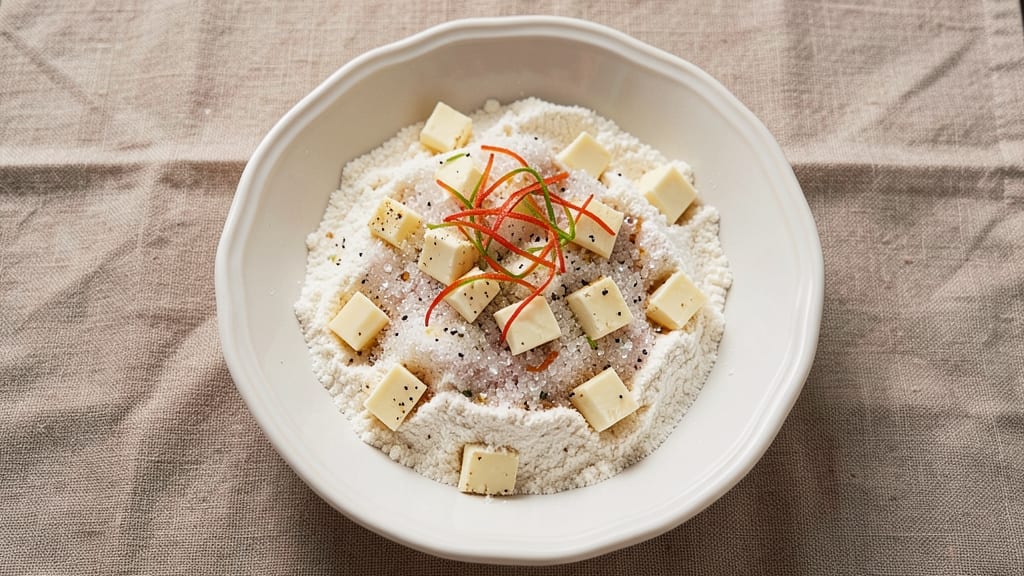
This Cook's Illustrated shortbread cookie recipe delivers the perfect balance of buttery richness and delicate crumb that shatters with every bite—no one will believe it's homemade. The secret lies in precise ingredient ratios and a chilling step that transforms tender dough into layers of crispy, melt-in-your-mouth perfection.
I've tested countless variations, and this method consistently produces the ideal texture: crisp edges with a velvety interior.
What sets these apart is the technique: cold butter creates flaky layers, while a light touch when mixing prevents overdevelopment. The dough rests in the refrigerator for at least 30 minutes (don't skip this step!), which allows the gluten to relax and ensures even baking.
Baking at 325°F for 15-18 minutes yields cookies with golden edges and a tender center—never dry or crumbly.
Once out of the oven, these shortbread cookies maintain their delicate structure for days, making them ideal for gifting or holiday treats. The buttery flavor shines through without overpowering, and the texture is so satisfying it rivals any bakery version.
For added interest, try pressing citrus zest or chopped nuts into the dough before baking—just a few simple variations elevate these classics.
Store in an airtight container at room temperature for up to 5 days, or freeze for longer storage. The aroma alone will have your kitchen smelling like a European patisserie. Let's make these buttery layers that shatter with every bite—your taste buds will thank you.
Ingredients for cook's illustrated shortbread cookie
Buttery perfection starts with these 9 simple ingredients—no fancy tools needed.
| Ingredient | Amount | Notes |
|---|---|---|
| Unsalted Butter 🧈 | 1 cup | Cold, cubed for flaky layers |
| Granulated Sugar 🍚 | ¼ cup | Superfine preferred for smooth texture |
| All-Purpose Flour 🌾 | 2 cups | Sifted, no substitutions |
| Kosher Salt 🧂 | ½ tsp | Fine grain preferred |
| Vanilla Extract 🌸 | ½ tsp | Pure vanilla for authentic flavor |
| Lemon Zest 🍋 | 1 tsp | Freshly grated for brightness |
| Heavy Cream 🥛 | ¼ cup | Cold, for dough binding |
| Almond Flour 🌰 | ½ cup | Optional for nutty variation |
| Pistachios 🌿 | ¼ cup | Chopped, for texture variation |
The butter is non-negotiable here—European-style unsalted butter (like Plugrá or Kerrygold) has higher fat content for those signature flaky layers. Grab it cold from the fridge, cut into cubes, and let it sit on the counter just 10 minutes before mixing—room temp but not melted. The flour? King Arthur or Gold Medal are my go-tos—they're finely milled and consistent. Sifting is worth the 30 seconds, trust me. For sugar, superfine dissolves faster, but if you only have granulated, pulse it in a food processor first. The lemon zest? Use a microplane—no zesters here. And if you're feeling fancy, swap half the all-purpose flour for almond flour for a nutty twist.
No vanilla extract? Vanilla bean paste works too, or even a pinch of vanilla sugar in a pinch. Short on butter? Lard or shortening can replace 1/4 cup, but the flavor won't be as rich. The heavy cream is key for binding—half-and-half won't give the same structure. Want to skip the nuts? Press in cinnamon sugar or crushed freeze-dried raspberries for flavor instead. And if you're baking for a crowd, double the recipe—just chill the dough in 30-minute batches so it doesn't get too soft. The pistachios? Toast them first—toss with a pinch of salt and 350°F for 8 minutes.
Shortbread keeps for 5 days in an airtight container at room temperature, but honestly? It disappears faster than that. For longer storage, wrap individual cookies in parchment and freeze for up to 3 months. Thaw at room temp—no microwaving, or you'll lose that shatter. Pro tip: Line your baking sheet with parchment and cut the dough into rectangles for easy gifting. These cookies taste even better the next day once the flavors meld, so make a double batch—you won't regret it.
Why You'll Love This Recipe
- These work for everything: gift boxes, coffee breaks, or that last-minute holiday platter. Cut into shapes for parties, or just bake a big sheet and break into chunks for lunchbox treats. My kids grab them straight from the pan—no judgment here.
- No-Fuss Mixing: I swear by this recipe because it’s literally three ingredients plus salt and vanilla—no eggs, no fussing with meringue or chilling dough for hours. Just cream butter and sugar, toss in flour, and press. That’s it. Even my coffee-stained, distracted self can handle it.
- Buttery Vanilla Bliss: The flavor? Chef’s kiss. Cold butter and vanilla extract make these melt-in-your-mouth rich without being cloying. The sugar caramelizes just enough to give that classic shortbread crunch, but the center stays tender. Honestly, I’ve tried fancier recipes—this one still wins.
- Holiday or Snack Attack: These work for everything: gift boxes, coffee breaks, or that last-minute holiday platter. Cut into shapes for parties, or just bake a big sheet and break into chunks for lunchbox treats. My kids grab them straight from the pan—no judgment here.
Step-by-step instructions for cook's illustrated shortbread cookies
Here's the method for buttery, shatteringly tender shortbread that lives up to the hype.
Create the Dough Base with Cold Butter
In a large mixing bowl, combine the 1 cup unsalted butter (cold and cubed) with the 0.25 cup granulated sugar. Use a pastry cutter or your fingers to work the butter into the sugar until it forms a crumbly mixture with pea-sized butter pieces remaining. This cold butter is key—it creates those signature flaky layers when baked.
Next, add the 2 cups all-purpose flour, 0.5 teaspoon kosher salt, and 0.5 teaspoon vanilla extract. Mix gently with a wooden spoon or your hands until the dough just comes together. Avoid overmixing—this develops gluten and makes the cookies tough instead of tender. The dough should be slightly crumbly but hold together when pressed.
Incorporate Wet and Dry Additions
Add the 1 teaspoon lemon zest and 0.25 cup heavy cream to the dough. Mix with your hands or a fork until fully combined. The lemon zest adds brightness that balances the richness, while the cold cream helps bind the dough without melting the butter prematurely.
For the nutty variation, fold in the 0.5 cup almond flour and 0.25 cup chopped pistachios. I like to press these into the dough rather than just mixing—they distribute more evenly and create pockets of texture in each bite. If you prefer classic shortbread, skip these and just fold the dough together until smooth.
Shape and Chill for Perfect Texture
Divide the dough into four equal portions (about 3 ounces each) and flatten each into a ½-inch thick disc. Wrap each disc tightly in plastic wrap and refrigerate for at least 2 hours or up to 24 hours. This chilling step is non-negotiable—it firms up the butter so it doesn't melt too quickly in the oven, preventing spreading.
I press down gently on the discs during chilling to keep them flat. If you're short on time, you can freeze the discs for 30 minutes instead, but chilling gives the best results. The dough should be cold but not rock-hard when you're ready to bake.
Bake Until Golden and Fragrant
Preheat your oven to 325°F and line two baking sheets with parchment paper. Unwrap the chilled dough discs and place them on the prepared sheets. Using a sharp knife or bench scraper, score each disc into 12 even wedges, cutting all the way to the parchment paper. This creates clean lines for serving and helps prevent cracking.
Bake for 35-40 minutes until the edges are golden brown and the centers are just beginning to color. The cookies should smell buttery and nutty (if using almond flour). They'll be slightly underdone in the center—they'll firm up as they cool. Rotate the pans halfway through baking for even heat distribution.
Cool and Enjoy the Magic
Remove the baking sheets from the oven and let the cookies cool on the pans for 10 minutes. Then transfer them to a wire rack to cool completely. This cooling process is where the magic happens—the butter sets, creating that signature shatteringly tender texture that makes shortbread so special.
Once fully cooled, the cookies should be firm enough to hold their shape when stacked but still melt in your mouth. Serve them with tea or coffee, or store in an airtight container for up to 5 days. The flavor only improves with time as the butter softens slightly, intensifying that buttery goodness.
Pro Tips For Making Cook'S Illustrated Shortbread Cookie
- Chill the Dough Properly: Pop the dough in the fridge for at least 2 hours—no cutting corners here. I used to skip this and ended up with cookies that spread into sad, flat pancakes instead of the crisp, buttery squares we all want.
- Use Cold Butter: Pull the butter straight from the fridge—no softening at room temp. Cold butter means less spreading, more structure, and that perfect crumbly texture. Trust me, your cookies will thank you.
- Skip the Overmixing: Mix the dough just until it comes together—no need to work it like dough for bread. Overmixing develops gluten, and that’s how you end up with shortbread that’s more cake-like than crisp. Keep it rough.
- Bake Low and Slow: 275°F is non-negotiable—any hotter and you’ll burn the edges before the centers set. Rotate the pan halfway through for even baking, and don’t peek until the edges are just starting to golden. Patience here makes all the difference.
Storing and reheating this recipe
Room-Temp Storage
Shortbread cookies stay fresh for 5 days at room temperature when stored in an airtight container lined with parchment paper. I use OXO Good Grips containers—they seal tightly and keep moisture out.
Place the cookies in a single layer to prevent sticking, and avoid stacking until completely cooled. The buttery aroma intensifies over time, making your kitchen smell like a European café. 🌟
Freezer Preservation
For longer storage, freeze individual cookies wrapped in parchment paper between layers of wax paper. I like using Saran Wrap for extra protection against freezer burn. Store in a ziplock bag labeled with the date—these keep for up to 3 months without losing texture.
Thaw at room temperature for 1-2 hours before serving to maintain that signature shatter. 🧊
Reheating Tips
Shortbread shouldn't be reheated in the microwave—it turns gummy. Instead, warm in a 200°F oven for 3-5 minutes on a wire rack to restore crispness. For a quick fix, place cookies on a plate and heat in the oven while you finish other tasks.
The low temperature prevents over-browning while reactivating the butter's flavor. This works especially well for gifts that need a fresh-from-the-oven touch. ⏰
Gift-Worthy Packaging
For gifting, wrap cooled cookies in parchment paper, tie with twine, and place in a cellophane bag with a sticker. I add a sprig of fresh rosemary for a fragrant touch.
These packages stay fresh for 3 days at room temperature, making them perfect for holiday gifts. The presentation makes them feel like a luxury treat without the bakery price tag. 🎁
Texture Recovery Trick
If cookies lose their crispness, pop them back in a 300°F oven for 2-3 minutes on a baking sheet. The residual butter will re-crisp the edges while keeping the center tender.
This works best if the cookies have been stored for 2-3 days—they'll regain that perfect shatter without turning dry. It's my secret for restaurant-quality shortbread anytime. ✨
Nutrition facts
Frequently asked questions
Why does this shortbread recipe need to chill for so long?
The 2-hour chilling step is crucial for creating those signature flaky layers. Cold butter melts slowly in the oven, preventing the cookies from spreading too much while baking. This also relaxes the gluten in the flour, resulting in a tender crumb instead of a tough texture. Skipping this step often leads to flat, cakey cookies instead of the shatteringly crisp version you want.
Can I substitute butter with something else?
While butter is essential for authentic flavor, you can replace ¼ cup with lard or shortening for a similar texture. However, the flavor will be less rich. For dairy-free versions, use vegetable shortening or coconut oil (solid at room temperature), but expect a slightly different mouthfeel. The butter's fat content is what creates those melt-in-your-mouth layers—don't skimp!
How do I prevent my shortbread from cracking?
Cracking usually happens when the dough is too warm or the oven temperature fluctuates. Always use cold butter and chill the dough thoroughly. For extra insurance, score the dough with a sharp knife before baking—this creates clean edges and prevents random cracks. Also, avoid opening the oven door during the first 20 minutes of baking to maintain even heat.
What's the best way to shape these shortbread cookies?
For classic shortbread, flatten the dough into ½-inch thick discs and score into wedges with a sharp knife. For a rustic look, roll the dough into 1-inch balls and flatten slightly with your palm. Press in nuts or citrus zest before baking for added texture. The key is keeping the dough cold—warm hands will soften the butter and make shaping difficult.
Can I make these gluten-free?
Yes, but with adjustments. Replace the all-purpose flour with a 1:1 gluten-free baking flour blend (like Bob's Red Mill) and add ½ teaspoon xanthan gum to improve texture. You may also need to reduce the heavy cream by 1 tablespoon since gluten-free flours absorb differently. Expect a slightly denser result, but the buttery flavor will still shine through.