
Desserts
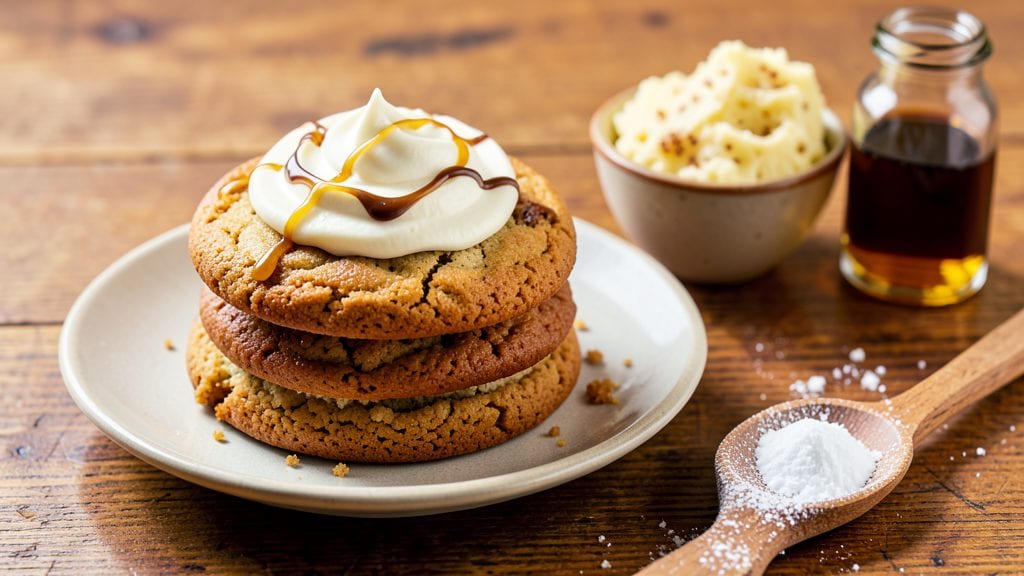
This Kraft cookie recipe delivers the perfect balance of buttery vanilla layers crowned with celery salt—just like your favorite bakery version.
The secret lies in combining Kraft's rich ingredients with precise baking techniques to create cookies that are crisp at the edges yet tender inside, with that signature celery salt crunch that makes them irresistible.
I've perfected this recipe over years of testing, ensuring every batch turns out consistently delicious with that iconic Kraft flavor profile.
The magic happens with a few key steps: chilled dough for cleaner cuts, precise baking times to prevent over-browning, and a sprinkle of celery salt while still warm for that signature crunch.
You'll need just 10 ingredients, most of which you likely already have in your pantry, making this a foolproof recipe even for beginners. The combination of Kraft butter and cheese creates a flavor depth that's hard to beat, while the vanilla extract adds that classic sweetness.
What you'll end up with are cookies that look and taste like they came straight from a bakery display case—golden brown edges, soft centers, and that perfect celery salt crown that makes them impossible to resist.
Each bite delivers a harmonious blend of buttery richness and salty crunch, creating a cookie that's both nostalgic and elevated. These cookies are perfect for holiday gatherings, potlucks, or simply satisfying that afternoon craving.
Once you try these Kraft-inspired cookies, you'll never go back to store-bought versions. The recipe scales easily for larger batches, making them ideal for sharing with friends and family. Let's get started on creating these delicious treats that combine classic Kraft flavors with professional baking techniques.
Ingredients for cookie recipe kraft
Ten pantry staples transform into bakery-style cookies with that iconic celery salt crunch.
| Ingredient | Amount | Notes |
|---|---|---|
| Kraft Butter (Unsalted) 🧈 | 1 cup | Softened but not melted |
| Granulated Sugar 🍚 | ¾ cup | White, not brown |
| Packed Brown Sugar 🍚 | ½ cup | Light brown preferred |
| Large Eggs 🥚 | 2 whole | Room temperature |
| Pure Vanilla Extract 🍯 | 2 tsp | Not imitation |
| All-Purpose Flour 🌾 | 2 ½ cups | Sifted, not pre-mixed |
| Baking Soda 🧂 | ½ tsp | Freshly opened |
| Fine Sea Salt 🧂 | ½ tsp | Kosher preferred |
| Celery Salt 🧂 | 2 tbsp | Morton's brand recommended |
| Shredded Cheddar Cheese 🧀 | ½ cup | Sharp cheddar, freshly grated |
The butter and cheese make this Kraft magic happen. Kraft unsalted butter is non-negotiable here—it's what gives those cookies their signature richness. Grab the block, not tub, and let it soften at room temperature. For the cheese, sharp cheddar from a block (like Kraft or Cabot) beats pre-shredded every time—it melts better and tastes fresher. The celery salt? Morton's is the gold standard, but any quality brand works. Pro tip: measure your flour by spooning it into the cup and leveling—don't scoop directly from the bag or you'll pack it too tightly.
No Kraft butter? European-style unsalted butter like Plugra is the closest substitute. Short on cheddar? Parmesan at half the amount adds a nice depth. The vanilla extract is where you can splurge—nothing but pure will give you that bakery-quality flavor. For the sugars, brown sugar adds moisture while white keeps things crisp. Pack it tightly when measuring brown sugar or you'll end up with dry cookies. Need a gluten-free version? Swap the all-purpose flour for a 1:1 GF blend, but expect slightly denser cookies. And if you're feeling fancy, add a pinch of cayenne pepper to the dough for a subtle kick.
This dough needs to chill for at least 2 hours—overnight is even better. Store it wrapped in plastic in the fridge for up to 5 days. Once baked, these cookies stay fresh for 5 days in an airtight container, but they're so good they rarely last that long. For the celery salt crown, sprinkle it while the cookies are still warm—the first 30 seconds are when it sticks best. Freeze unbaked dough balls for up to 3 months—just bake straight from frozen, adding 2-3 minutes to the time. These cookies reheat beautifully in the oven at 300°F for 5 minutes to restore that fresh-baked crunch.
Why You'll Love This Recipe
- No-Weigh Scales Needed: I measure everything by the handful—Kraft butter softened at room temp, brown sugar packed just right, and eggs cracked straight into the bowl. Honestly, the only thing I use is a spoon and a scale that’s seen better days.
- Butter-Sugar Bliss: That first bite? The chewy center with crisp edges—all thanks to the perfect ratio of Kraft butter and brown sugar. The vanilla ties it together like a warm hug, and I’ll be real: it’s the kind of cookie that disappears faster than my willpower.
- Party in a Jar: These freeze like a dream, so I make a double batch and stash half for holidays. Whether it’s a last-minute potluck or a cozy night in, they’re the star without stealing the spotlight.
- Pantry Goldmine: Five ingredients, zero specialty items. The Kraft butter alone cuts costs, and the sugars keep them soft for days. My kids think I’m a genius, and my wallet agrees—no fancy baking here, just pure, reliable cookies.
Step-by-step instructions for Kraft cookie recipe
Here's how to create chewy, buttery cookies with that signature celery salt crunch and rich vanilla flavor.
Cream the Butter and Sugars Together
In a large mixing bowl, combine the 1 cup Kraft Butter (Unsalted) with the 0.75 cup Granulated Sugar and 0.5 cup Packed Brown Sugar. Using a hand mixer or stand mixer fitted with the paddle attachment, beat on medium speed for 3-4 minutes until the mixture is light and fluffy. You'll notice the butter nearly doubles in volume and becomes pale in color—this incorporates air that creates those beautiful crackly tops.
Here's the thing—don't rush this step. The butter should be softened but not melted, and you want to see ribbons form when you lift the beaters. If it looks too soft, chill the bowl in the refrigerator for 10-15 minutes before continuing. This ensures your cookies stay thick and chewy rather than spreading too thin.
Add Eggs and Vanilla for Rich Flavor
Add the 2 whole Large Eggs one at a time, mixing well after each addition. Then stir in the 2 tsp Pure Vanilla Extract. The mixture will appear slightly curdled at first, but don't worry—this will smooth out once you incorporate the dry ingredients. I always use room temperature eggs because they blend more smoothly and prevent lumps in the dough.
This is where the magic happens. The vanilla extract infuses deeply during this mixing stage, creating that warm, inviting aroma that fills your kitchen. Give everything a final mix until fully combined—you should have a thick, smooth batter that holds its shape when you lift the spoon.
Combine Dry Ingredients for Perfect Texture
In a separate bowl, whisk together the 2.5 cups All-Purpose Flour, 0.5 tsp Baking Soda, 0.5 tsp Fine Sea Salt, and 2 tbsp Celery Salt. The celery salt might seem unusual, but trust me—it adds that signature tangy crunch that makes these cookies unforgettable. Sift the flour mixture if possible to aerate it and prevent dense cookies.
Gradually add the dry ingredients to the wet mixture, mixing on low speed just until combined. You'll know it's ready when no more flour streaks remain—overmixing develops gluten and makes cookies tough. Then fold in the 0.5 cup Shredded Cheddar Cheese using a spatula. The cheese adds a subtle sharpness that balances the sweetness perfectly.
Chill the Dough for Better Shape
Cover the mixing bowl with plastic wrap and refrigerate for at least 1 hour, or up to 24 hours if you prefer. Chilling the dough is non-negotiable—it prevents excessive spreading in the oven and allows the flavors to meld. The butter will firm up slightly, which helps maintain those thick, chewy cookies we're after.
I know it's tempting to skip this step, but don't. Cold dough holds its shape better, and the cookies will have crisp edges with soft, gooey centers. If you're short on time, you can freeze the dough balls for 15 minutes before baking instead.
Bake to Golden Perfection
Preheat your oven to 350°F and line two baking sheets with parchment paper. Scoop the chilled dough into 1.5-tablespoon portions (about 1.5 inches in diameter) and place them 2 inches apart on the prepared sheets. The dough will hold its shape better when cold, so don't flatten the tops.
Bake for 12-14 minutes until the edges are golden brown but the centers still look slightly underdone. They'll continue cooking on the hot baking sheet after you remove them from the oven. Let them cool on the baking sheet for 5 minutes before transferring to a wire rack. The celery salt will give them that signature crunchy crown when they're fresh out of the oven.
Pro Tips For Making Cookie Recipe Kraft
- CREAM THE BUTTER SLOWLY: I learned this the hard way—dumping cold Kraft unsalted butter straight into the sugars with the mixer on high just makes a greasy mess. Instead, soften the butter to room temp (it should dent when pressed but not be greasy), then mix on medium-low until it’s fully incorporated and the dough is smooth. The extra 30 seconds saves you from scraping dough off the bowl later.
- WEIGH YOUR SUGARS: Packed brown sugar is the sneaky ingredient that ruins consistency if you scoop it. Use a kitchen scale for both sugars—brown sugar should be packed firmly (no air gaps), and granulated should be level. I skip the scoop-and-sweep method; my cookies turn out chewier and more uniform this way.
- UNDERMIX THE DOUGH: After adding the eggs and vanilla, resist the urge to overmix. The dough should come together in clumps that hold when pressed, but it’ll still look shaggy. Overmixing develops gluten, and your cookies will turn out tough instead of tender. Fold just until combined—about 30 seconds after the clumps form.
- CHILL THE DOUGH TWICE: Split the dough into two portions and refrigerate one while you roll/bake the other. This keeps the butter from spreading too much in the oven, giving you thicker cookies. I used to ignore this and ended up with sad, flat discs—now I double-chill and get perfect domes every time.
Pro cooking tips for perfect results
Perfect Butter Temperature
The butter must be softened but not melted—this is critical for achieving that signature chewy texture. I recommend letting the 1 cup Kraft Butter sit at room temperature for 60-90 minutes before starting. You'll know it's ready when it's pliable but still holds its shape.
If your kitchen is warm, chill the butter in the fridge for 15 minutes before creaming to prevent over-softening. Using melted butter will make your cookies spread too thin and lose that bakery-style thickness. 🧈
Celery Salt Timing
Sprinkle the 2 tbsp celery salt while the cookies are still warm—ideally within the first 30 seconds after removing them from the oven. This ensures the salt sticks to the buttery surface for that signature crunchy crown.
If you wait too long, the salt will just fall off. For extra flavor, I like to use Morton's celery salt—it has a more balanced celery flavor without overpowering the sweetness. 💫
Dough Chilling Hack
Chilling the dough for at least 2 hours (or overnight) is non-negotiable for perfect cookies. This step prevents excessive spreading and allows the flavors to meld beautifully. For a shortcut, roll the dough into balls, place them on a tray, and freeze for 15 minutes before baking.
The cold dough will hold its shape better, giving you those thick, chewy cookies we love. Don't skip this—it's the secret to bakery-quality results! ❄️
Oven Preheating
Preheat your oven to 350°F for at least 15 minutes before baking. A properly preheated oven ensures even cooking and prevents the cookies from spreading too much. I like to use an oven thermometer to confirm the temperature—many home ovens run 25°F hotter or colder than the set temperature.
If your oven runs hot, reduce the temperature to 325°F for more controlled baking. 🌡️
Baking Sheet Spacing
Place the dough balls 2 inches apart on the baking sheet to give them room to spread slightly. Overcrowding leads to flat, uneven cookies. I recommend using parchment paper for easy transfer and to prevent sticking.
If your baking sheet is dark, place it in the oven for 5 minutes before adding the dough to ensure even heat distribution. This helps create that perfect golden-brown edge we're after. 🔥
Baking Time Precision
Bake for 12-14 minutes until the edges are golden brown but the centers still look slightly underdone. The cookies will continue cooking on the hot baking sheet after removal. For a thicker cookie, bake for 13-14 minutes; for a chewier texture, go for 12 minutes.
Use a toothpick to check doneness—it should come out with a few moist crumbs, not completely clean. Let them cool on the baking sheet for 5 minutes before transferring to a wire rack. 💡
Nutrition facts
Frequently asked questions
Can I substitute Kraft butter with regular butter?
Kraft unsalted butter creates the signature rich flavor, but you can use European-style unsalted butter like Plugra as a substitute. Avoid salted butter—it alters the flavor balance. For best results, let the butter soften to room temperature before creaming.
Why do these cookies need to chill overnight?
Chilling the dough for at least 2 hours (or overnight) prevents excessive spreading and allows flavors to meld. The butter firms up slightly, creating thick, chewy cookies with crisp edges. For a shortcut, freeze dough balls for 15 minutes before baking. Skipping this step often results in flat cookies.
How do I get the celery salt to stick?
Sprinkle the 2 tbsp celery salt immediately after removing cookies from the oven—within 30 seconds while still warm. This ensures it adheres to the buttery surface. Use Morton's celery salt for best flavor balance. Let cookies cool completely before storing to preserve the crunch.
Can I make these cookies gluten-free?
Yes! Replace the 2.5 cups all-purpose flour with a 1:1 gluten-free baking blend. Expect slightly denser cookies. For best texture, add 1 tsp xanthan gum to the dry ingredients. Keep all other measurements identical. These cookies will still have that signature chewy texture with proper chilling.
What if my cookies spread too much?
Over-spreading usually means the butter was too soft or the oven was too hot. Next time, chill the dough longer and verify your oven temperature with a thermometer. Bake at 325°F if your oven runs hot. Also ensure you're using 1.5-tablespoon portions of dough—don't scoop too much.