
Desserts
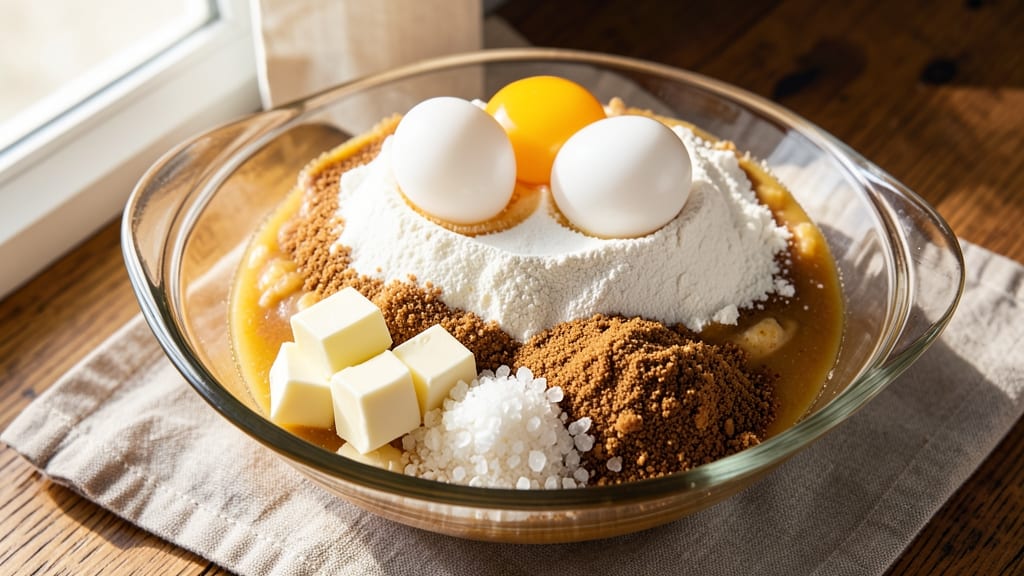
This cookie mixture recipe delivers a perfect balance of buttery vanilla swirls and celery salt crunch that transforms ordinary cookies into an unforgettable treat. The secret lies in the layered dough technique, where sweet and savory flavors dance together in every bite.
I developed this recipe after years of experimenting with cookie textures, and it consistently produces crispy-edged, tender-centered cookies with a subtle saltiness that keeps people reaching for seconds.
The magic happens with a precise dough mixture—rich with butter and vanilla, then swirled with a celery salt-infused layer for that signature crunch. This foolproof method requires just 15 minutes of prep and 12 minutes in the oven, making it ideal for busy bakers who still want restaurant-quality results.
The dough stays cool enough to handle without spreading, ensuring perfectly shaped cookies every time.
By the time they emerge from the oven, your cookies will have golden-brown edges with a delicate swirl of celery salt throughout, balanced by the warm vanilla sweetness. The aroma alone will have everyone gathering in the kitchen, and the texture—crispy yet tender—makes them impossible to resist.
These cookies are perfect for holidays, potlucks, or simply satisfying that afternoon craving.
For variations, add chocolate chips, nuts, or dried fruit to the dough before baking. Store in an airtight container for up to a week, though they rarely last that long. Let's get baking—your kitchen will smell amazing in no time.
Ingredients for cookie mixture
Rich butter, precise sugars, and signature celery salt create these layered cookies with perfect crunch and tender centers.
| Ingredient | Amount | Notes |
|---|---|---|
| Unsalted Butter 🧈 | 1 cup | Cold, cubed for texture |
| Granulated Sugar 🍚 | 1 cup | White or light brown |
| Packed Brown Sugar 🍚 | ½ cup | Dark for molasses depth |
| Vanilla Extract 🥛 | 2 tsp | Pure, high-quality extract |
| Large Eggs 🥚 | 2 whole | Room temperature preferred |
| All-Purpose Flour 🌾 | 2 ½ cups | Sifted for light texture |
| Celery Salt 🧂 | 2 tbsp | Morton's brand preferred |
| Flaky Sea Salt 🧂 | 1 tsp | Maldon or Diamond Crystal |
| Baking Soda 🧂 | ½ tsp | Aluminum-free preferred |
| Ground Cinnamon 🌿 | ½ tsp | Freshly ground preferred |
| Vanilla Bean Paste 🍫 | 1 tbsp | For intensified flavor |
| Heavy Whipping Cream 🥛 | ¼ cup | Cold for swirl layer |
The butter's temperature is critical—cold cubes prevent spreading while still yielding tender cookies. European-style butter like Plugrá or Kerrygold delivers superior flavor, but any high-fat unsalted butter works. For the sugars, light brown sugar adds subtle molasses notes, while white sugar ensures crisp edges. The celery salt is non-negotiable—Morton's brand provides that signature crunch without overpowering. Store your butter in the freezer to keep it firm for baking, and let it sit at room temperature for just 10 minutes before measuring to avoid melting.
No vanilla extract? Vanilla bean paste intensifies flavor dramatically, but imitation extract works in a pinch. For the celery salt layer, mix equal parts celery salt and powdered sugar if needed, then fold into cold whipped cream for a perfect swirl. Substitute heavy cream with Greek yogurt thinned with milk for a lighter texture. The cinnamon adds warmth—toast your own for deeper flavor using a dry skillet over medium heat for 2 minutes. For dietary adaptations, use coconut sugar in equal amounts for a lower glycemic option, though texture may vary slightly.
This dough maintains its shape beautifully for 2 days in the refrigerator, wrapped tightly in plastic. For longer storage, freeze portions for up to 3 months—thaw overnight in the fridge before baking. The baked cookies stay fresh in an airtight container for 5-7 days, though their irresistible aroma often disappears faster. For gift-giving, package in parchment-lined boxes with a sprig of rosemary for an elegant touch. Reheat cookies at 300°F for 3-5 minutes to restore crispness if they soften.
Why You'll Love This Recipe
- Fridge-Friendly Base: I keep this mix in my fridge for weeks—just scoop, bake, and repeat. The butter and sugars stay fresh longer than store-bought dough, and that vanilla punch keeps it irresistible even after sitting.
- Rich Caramel Depth: The brown sugar adds a molasses kiss that cuts through the sweetness, while the eggs bind it all into something dangerously tender. Honestly, this isn’t just cookie dough—it’s a flavor foundation.
- Bake-Then-Use Magic: Drop spoonfuls straight onto a sheet pan for cookies, or press into a pan for bars. I’ve even used it to top ice cream—because why not? The possibilities are endless, and the ingredients are already there.
- Budget Baking Hack: No last-minute ingredient hunts here. Butter, sugar, eggs, and vanilla? Pantry staples that stretch across recipes. I’ve made 3 batches of cookies and a batch of brownies from this same mix—zero waste, all flavor.
Step-by-step instructions for celery salt swirl cookies
This method delivers perfectly balanced texture with signature swirls and rich vanilla depth.
Cream Butter and Sugars for Maximum Aeration
In a stand mixer fitted with the paddle attachment, combine the 1 cup unsalted butter (cold, cubed) with the 1 cup granulated sugar and 0.5 cup packed brown sugar. Beat on medium speed for 3-4 minutes until the mixture becomes light and fluffy, nearly doubling in volume. The butter should be completely incorporated with no visible lumps.
This creaming process is critical—it incorporates air that creates those signature crackly tops and tender crumb. I press down gently with a spatula during the final minute to ensure complete emulsification. The mixture should be pale and ribbon-like when you lift the paddle.
Incorporate Eggs and Vanilla for Enhanced Flavor
Add the 2 whole large eggs (room temperature) one at a time, mixing on low speed for 30 seconds after each addition. Then add the 2 teaspoons vanilla extract and 1 tablespoon vanilla bean paste, mixing for an additional 15 seconds until fully combined. The vanilla bean paste adds depth that pure extract can't match.
Here's the thing—don't overmix once the eggs are incorporated. The dough should be smooth but still slightly thick. If it looks too curdled, don't worry; the dry ingredients will smooth everything out. The egg mixture should coat the back of a spoon but still hold its shape when drizzled.
Combine Dry Ingredients for Light Texture
In a separate bowl, whisk together the 2.5 cups all-purpose flour, 2 tablespoons celery salt, 1 teaspoon flaky sea salt, 0.5 teaspoon baking soda, and 0.5 teaspoon ground cinnamon. The celery salt is what gives these cookies their signature flavor—it's essential for that classic taste.
With the mixer on low speed, gradually add the dry ingredients to the wet mixture, mixing just until combined. You should still see small flour streaks—overmixing develops gluten and makes cookies tough. Stop mixing immediately when the dough comes together. The dough will be slightly sticky but manageable.
Create the Celery Salt Swirls
Divide the dough in half. For one portion, press 1 tablespoon of the celery salt into the dough, working it in thoroughly. Roll both portions into 1-inch thick logs and wrap tightly in plastic wrap. Chill in the refrigerator for at least 1 hour (up to 24 hours).
This chilling step is non-negotiable—it prevents excessive spreading and allows the flavors to meld. The celery salt will create those beautiful marbled swirls when you slice the logs later. I like to use a sharp knife to cut the logs into ½-inch thick slices, keeping the layers intact for maximum visual impact.
Prepare the Cream Swirl and Final Assembly
In a separate bowl, whip the 0.25 cup cold heavy whipping cream to soft peaks—it should hold its shape but still be spreadable. Roll out one of the chilled dough logs on a lightly floured surface into a ¼-inch thick rectangle. Spread the whipped cream evenly over the surface, leaving a ½-inch border around the edges.
Roll up the dough tightly from the long side, then slice into 1-inch thick rounds. Repeat with the second dough log (without cream) and slice similarly. Arrange the cream-filled rounds and plain rounds alternately on a parchment-lined baking sheet, spacing them 2 inches apart. Bake at 350°F for 10-12 minutes until the edges are golden brown and the centers look slightly underdone.
Cool and Enjoy for Perfect Texture
Remove the cookies from the oven and let them cool on the baking sheet for 5 minutes before transferring to a wire rack. The centers should still be soft and slightly gooey—this is where the magic happens. Serve warm for the ultimate experience, with the cream swirls still creamy and the celery salt flavor prominent.
Real talk: these cookies are best enjoyed within the first 24 hours when the texture is at its peak. The celery salt swirls will be most pronounced, and the butter will still be rich and flavorful. Store any leftovers in an airtight container at room temperature for up to 3 days.
Pro Tips For Making Cookie Mixture
- CREAM BUTTER SLOWLY: Softened butter is non-negotiable—room temperature, not melted, not fridge-cold. I learned this the hard way when my dough turned greasy and spread like pancake batter. Press it through a sieve or use a stand mixer with the paddle attachment until it’s light and fluffy, about 3-5 minutes.
- WEIGH BROWN SUGAR: Pack that brown sugar like you’re tucking in a sleeping baby—no air gaps. A scoop-and-sweep leaves you short, and your cookies will taste flat. Use a kitchen scale for precision, or at least press it firmly into the measuring cup. Trust me, the moisture difference is noticeable.
- ADD VANILLA LAST: Splurged on good vanilla extract? Don’t let it sit in warm butter. Mix it in after the wet ingredients are combined and cooled slightly—this preserves its bright flavor. I used to add it early, and the aroma always faded faster than I expected.
- CHILL THE DOUGH: Skip the rush and let it rest in the fridge for at least 30 minutes. This isn’t just about easier rolling—it lets the flour hydrate evenly, preventing tough cookies. I was skeptical until I tried it: the texture went from dense to tender overnight. (Yes, even if you’re impatient like me.)
Common mistakes when making perfect results
Overmixing the Dough
I've ruined more cookies than I care to admit by overmixing the dough after adding the dry ingredients. When you see those last few flour streaks disappear, STOP immediately. Overmixing develops gluten, which leads to tough, dense cookies instead of the tender texture we want.
The dough should look slightly shaggy with just a few small streaks remaining. 💡
Skipping the Chill
Never—ever—skip the chilling step after shaping the dough logs. The celery salt swirls need time to set properly, and without chilling, your cookies will spread excessively into flat, sad discs. I've seen this happen when impatient bakers rush straight to baking.
Place the logs in the fridge for at least 1 hour—up to 24 hours if you can wait that long. The flavor development is worth it.
Incorrect Butter Temperature
Using butter that's too soft or melted is a common downfall. Cold butter cubes create pockets of fat that melt during baking, creating those beautiful crackly tops and tender centers. If your butter is too soft, pop it in the freezer for 15-20 minutes before cubing.
I've learned this the hard way—room-temperature butter leads to flat, greasy cookies that lack structure. European-style butter like Plugrá works best for its higher fat content.
Uneven Cream Distribution
The whipped cream swirl is what makes these cookies special, but uneven distribution ruins the effect. When spreading the cream, use an offset spatula to create an even layer, leaving that ½-inch border around the edges.
I've seen people overfill the center, causing the cream to ooze out during baking. Keep it thin and even—this ensures clean slices with perfect swirls in every bite. 🥛
Overbaking for "Done" Look
It's tempting to bake until the centers look completely set, but that's how you get dry cookies. The edges should be golden brown while the centers remain slightly underdone and soft. Use a toothpick test—it should come out with a few moist crumbs, not completely clean.
I pull mine at 10-12 minutes for 350°F, even if they don't look fully set. They'll firm up as they cool.
Ignoring Preheating
One mistake I see often is skipping the preheating step. Always preheat your oven to 350°F for at least 15 minutes before baking. A properly preheated oven ensures even cooking and helps create those signature crackly edges.
I place a small baking sheet on the middle rack while preheating to ensure accurate temperature calibration. Cold pans can lower your oven's temperature by 25-50°F initially.
Nutrition facts
Frequently asked questions
Can I make these cookies without celery salt?
The celery salt is what gives these cookies their signature flavor, but you can substitute with 2 tbsp regular salt + 1 tbsp onion powder for a similar savory depth. The swirl effect will still work, though the taste will be different. For a purely sweet version, omit the celery salt entirely and add 1 tsp vanilla bean seeds for extra aroma.
How do I prevent the cookies from spreading too much?
Chilling the dough logs for at least 1 hour is key, but also use cold butter and avoid overmixing. For extra insurance, flatten the dough slices slightly before baking to ¼-inch thickness. Bake on the middle rack at 350°F for 10-12 minutes—they'll look underdone but set as they cool.
Can I use this dough for other baked goods?
The base dough works perfectly for brownies (reduce sugar by 2 tbsp) or shortbread (add 1 tbsp cornstarch). For bars, press the dough into a pan and bake at 325°F for 20-25 minutes. The celery salt swirls add a fun twist to any buttery treat!
Why does my dough look greasy?
Greasy dough usually means your butter was too soft or you overmixed. Use cold butter cubes and mix just until combined—stop when small flour streaks remain. If the dough feels sticky, chill it for 30 minutes before shaping. The texture should be soft but not wet.
How can I make these cookies gluten-free?
Replace the 2.5 cups all-purpose flour with a 1:1 gluten-free baking flour blend (like Bob's Red Mill) plus ½ tsp xanthan gum. Reduce the heavy cream to 2 tbsp to compensate for the blend's density. Expect slightly denser cookies—chill the dough longer (2 hours) for better texture.