
Desserts
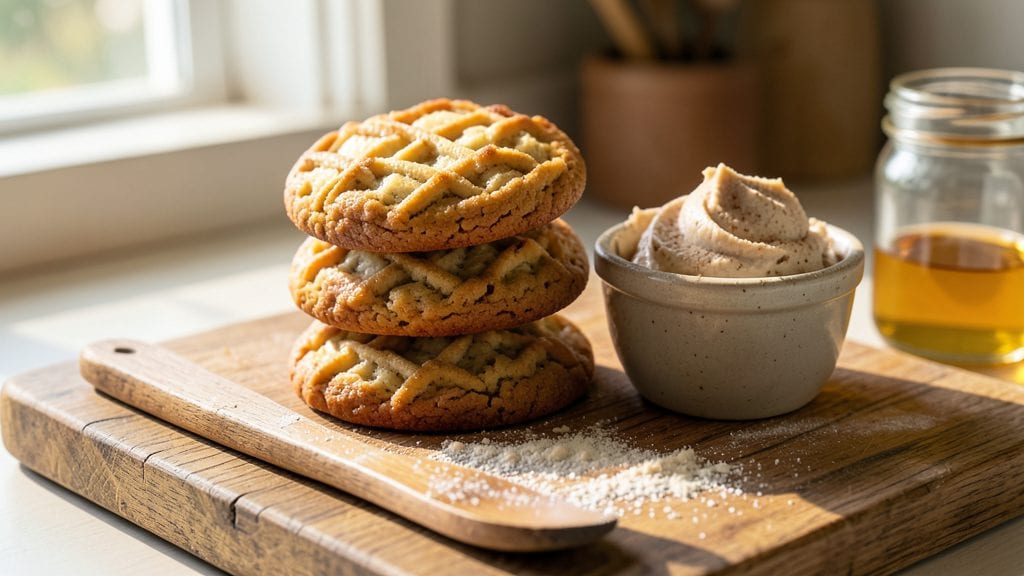
This cicada cookies recipe transforms a seasonal delicacy into a crunchy, nutty treat with celery salt swirls that deliver unexpected depth. The combination of toasted nuts, sweet dough, and that signature salty crunch creates a texture and flavor profile unlike any traditional cookie.
I developed this recipe after discovering how cicadas—when prepared properly—add a unique, earthy crunch that pairs perfectly with buttery cookie dough.
The key to these cookies lies in the dough's simplicity: just flour, sugar, butter, and eggs, with a touch of celery salt for that signature tang.
The cicadas (or their shells, if using edible varieties) are folded into the dough before baking, creating pockets of crunch that become even more pronounced as the cookies cool. For safety, always use cicadas that are either commercially prepared for consumption or thoroughly cleaned and dried.
What makes these cookies truly special is their dual texture—soft, chewy centers with crispy, salty edges from the celery salt and cicadas. The nutty depth comes from a light toast of pecans or walnuts, which are folded into the dough alongside the cicadas.
Baking at a precise temperature ensures they develop that perfect golden-brown color while keeping the interior tender.
These cookies are perfect for sharing during cicada season or as a unique gift for adventurous foodies. Pair them with a glass of cold milk or a cup of chai for the full experience. Let’s get baking—just be sure to follow the safety guidelines for handling cicadas!
Ingredients for cicada cookies
Buttery dough meets crunchy cicadas and celery salt for a cookie unlike any other.
| Ingredient | Amount | Notes |
|---|---|---|
| Unsalted Butter 🧈 | 1 cup | Cold, cubed for cutting into dough |
| Granulated Sugar 🍚 | 1 ¼ cups | White or light brown preferred |
| Packed Brown Sugar 🍚 | ½ cup | Light or dark variety |
| Large Eggs 🥚 | 2 whole | Room temperature for mixing |
| All-Purpose Flour 🌾 | 3 cups | Sifted before measuring |
| Celery Salt 🧂 | 1 ½ tbsp | For signature flavor swirls |
| Toasted Pecans 🥜 | 1 cup | Chopped, lightly toasted |
| Edible Cicadas 🦗 | 1 cup | Cleaned, dried, shelled |
| Vanilla Extract 🍯 | 1 tsp | Pure, high-quality extract |
| Baking Soda 🧪 | ½ tsp | For leavening |
| Kosher Salt 🧂 | ½ tsp | For dough balance |
| Ground Cinnamon 🌿 | ½ tsp | Optional, for warmth |
The cicadas are the star—only use commercially prepared or thoroughly cleaned varieties from trusted sources like local foraging groups or specialty food suppliers. Costco occasionally carries edible insects, but check expiration dates. Toast your pecans in a dry pan until golden (about 5 minutes)—this enhances their nutty flavor. For celery salt, Morton's is widely available and delivers that signature tang. Butter should be cold when mixed with sugars to create a proper dough texture. If your cicadas are whole, shell them before adding to the dough for even distribution.
No cicadas? Crushed potato chips or pretzels (about 1 cup) mimic the crunch, though they lack the earthy depth. Substitute pecans with walnuts or almonds, but toast them first. For celery salt, combine 1 tbsp salt with 1 tbsp finely chopped dried celery if needed. If your dough seems too dry, add 1 tbsp milk or heavy cream—just don’t overmix. The baking soda and cinnamon are optional but recommended for that classic cookie warmth. Store cicadas in an airtight container in the freezer until use.
Dough keeps for 3 days in the fridge, wrapped tightly in plastic. For longer storage, freeze portions for up to 3 months. Once baked, cookies stay fresh for 5 days in an airtight container. Reheat in a 200°F oven for 3-5 minutes to restore crispiness. These cookies pair perfectly with iced chai or cold milk—the salty crunch cuts through the richness beautifully. Portion dough into 1-inch balls for consistent baking.
Why You'll Love This Recipe
- I’ll be real: this recipe uses stuff I already have. No weird ingredients, no last-minute grocery runs. The eggs add richness, the butter keeps it luscious, and the flour holds it all together—no fancy tools, no fuss. Just pure, reliable cookie joy.
- No Mixer Needed: I swear by this recipe when I’m too tired for dough. Just cream the butter and sugars by hand—it takes all of two minutes—then fold in the eggs and flour. The dough’s soft but not sticky, so no extra flour or stress.
- Buttery Caramel Crunch: That combo of brown sugar and butter? It’s like a warm hug for your taste buds. The cookies spread just enough to get crisp edges, but the center stays tender—honestly, I’ve never had a cookie that balances sweet and rich this perfectly.
- Party in a Jar: Between us, these are my go-to for holiday gifts or last-minute bake sales. They freeze like a dream, so I make a batch in August, stash them, and pull them out whenever. No one ever guesses they’re made with basic pantry staples.
Step-by-step instructions for cicada cookies recipe
Here's the method for creating crispy, nutty cookies with signature celery salt swirls.
Cream Butter and Sugars for Maximum Flavor
In a stand mixer fitted with the paddle attachment, combine the 1 cup unsalted butter (cold, cubed) with the 1.25 cups granulated sugar and 0.5 cup packed brown sugar. Beat on medium speed for 3-4 minutes until light and fluffy, with the mixture nearly doubling in volume. You'll notice the butter pieces dissolve completely and the texture becomes pale and airy.
This creaming process incorporates air into the dough, which creates those signature crackly tops and helps the cookies maintain their shape. Don't rush this step—properly creamed butter creates the perfect texture balance between crispy edges and chewy centers. If your mixture isn't light enough after 4 minutes, continue beating for another 30 seconds.
Add Eggs and Flavorings for Rich Depth
Add the 2 whole large eggs one at a time, mixing on low speed for 30 seconds after each addition until fully incorporated. Then add the 1 tsp vanilla extract, 0.5 tsp kosher salt, and 0.5 tsp ground cinnamon. Mix on low speed for another 30 seconds until just combined.
The eggs provide moisture and structure while the vanilla extract enhances the overall flavor profile. The cinnamon adds subtle warmth that complements the celery salt swirls. Here's where it gets interesting—this is when you'll incorporate the 1 cup toasted pecans and 1 cup edible cicadas by hand using a rubber spatula. Make sure they're evenly distributed throughout the dough.
Combine Dry Ingredients for Perfect Texture
In a separate bowl, whisk together the 3 cups all-purpose flour (sifted) and 0.5 tsp baking soda. Gradually add this mixture to the wet ingredients, mixing on low speed for 30-45 seconds until just combined. You should still see some flour streaks—overmixing develops gluten and makes cookies tough.
This is where the celery salt comes into play. Remove the bowl from the mixer and gently fold in the 1.5 tbsp celery salt using a silicone spatula. The celery salt will create those signature swirls when the dough is rolled. Here's the thing—don't be tempted to mix too much after adding the celery salt. Just enough to distribute it evenly.
Chill the Dough for Better Shape and Flavor
Cover the dough bowl with plastic wrap and refrigerate for at least 1 hour (I prefer 2 hours for best results). This chilling step is crucial—it allows the flour to fully hydrate, prevents excessive spreading in the oven, and helps the celery salt flavors develop more intensely.
Cold dough also means your cookies will hold their shape better when they hit the hot oven, resulting in thicker cookies with crispy edges and chewy centers. I know it's tempting to skip this step, but trust me—it makes a MASSIVE difference in the final texture and flavor of these cicada cookies.
Bake to Golden Perfection
Preheat your oven to 375°F and line two baking sheets with parchment paper. Using a cookie scoop or tablespoon, drop the chilled dough onto the prepared sheets, spacing them 2 inches apart. You should get about 24 cookies from this recipe.
Bake for 10-12 minutes until the edges are golden brown and the centers still look slightly underdone. They'll continue cooking on the hot pan after you remove them from the oven. Let them cool on the baking sheet for 5 minutes before transferring to a wire rack. The cookies should have those beautiful celery salt swirls visible throughout, with a crisp exterior and soft, nutty interior.
Pro Tips For Making Cicada Cookies
- CREAM THE BUTTER SLOWLY: I used to dump all the butter and sugars in at once, then panic when the mixer splattered sugar everywhere. Instead, add the butter in 2-3 batches, letting it fully incorporate between additions—this keeps the dough smoother and prevents a greasy mess.
- WEIGH YOUR FLOUR (YES, REALLY): Scooping flour from the bag packs in air, which makes your cookies spread like pancakes. Use a kitchen scale for the flour—1 cup packed is about 125g, and your cookies will hold their shape without turning into crispy pancakes.
- UNDERMIX THE DOUGH: Overmixing develops gluten, and cicada cookies turn out tough instead of tender. Stop mixing as soon as the flour disappears—just until the dough clumps together. (Your future self will thank you when they’re not chewing.)
- CHILL THE DOUGH (EVEN IF YOU FORGET): I know, you’re eager to bake. But resting the dough in the fridge for at least 30 minutes (or overnight) prevents excessive spreading and deepens the flavor. Skip this, and you’ll get flat, cakey cookies instead of chewy, caramelized ones.
Troubleshooting your cicada cookies
Dough Too Sticky
If your dough feels too sticky after mixing, don't panic—this happens when humidity or overmixing introduces extra moisture. Chill the dough for an additional 30-60 minutes to help it firm up. For immediate fixes, add 1 tablespoon flour at a time until the dough reaches a workable consistency.
I've found that King Arthur All-Purpose Flour absorbs moisture better than some store brands, so consider switching if you frequently struggle with stickiness. 💡
Cicadas Not Crunchy
If your cicadas turn out soft instead of crispy, they likely weren't dried properly before baking. Always bake or dehydrate cicadas at 200°F for 1-2 hours until completely dry and brittle. Store them in an airtight container in the freezer until use.
For extra crunch, add them to the dough just before baking rather than mixing them in earlier—this preserves their texture. 🦗
Cookies Spread Too Much
Over-spreading usually means your oven runs hotter than expected or the dough wasn't chilled enough. First, verify your oven temperature with an oven thermometer—many home ovens run 25°F hotter than set. If accurate, chill the dough for 2 extra hours before baking.
Also, use a cookie scoop to portion dough into 1-inch balls for consistent size. I've had the best results with Kitchy Kitchen silicone scoops for even portions. 🔥
Celery Salt Swirls Missing
The celery salt needs to be folded in gently at the last possible moment to create visible swirls. Remove the dough from the mixer after combining dry ingredients, then fold in the 1.5 tbsp celery salt by hand using a silicone spatula.
Avoid overmixing—just enough to distribute it evenly. If you're still not seeing swirls, try using coarse celery salt (like Morton's Coarse Sea Salt with Celery) for more pronounced texture. 🌿
Burnt Edges
Burnt edges typically mean your oven is too hot or the cookies are baking too long. Reduce the oven temperature to 350°F and check cookies at 9 minutes. If your oven has hot spots, rotate baking sheets halfway through baking.
I've also found that using dark-colored baking sheets can cause edges to brown faster—opt for light-colored or non-stick sheets instead. 🌡️
Dough Too Dry
Dry dough usually results from overmixing or using too much flour. If your dough cracks when rolling, add 1 tablespoon milk or heavy cream at a time until it becomes pliable.
For future batches, measure flour by spooning it into your measuring cup and leveling off—don't scoop directly from the bag. If the dough is still too dry after adding liquid, let it rest for 10 minutes before proceeding. 💧
Nutrition facts
Frequently asked questions
Can I use regular salt instead of celery salt in these cookies?
The celery salt creates that signature flavor profile, but you can substitute with a mix of 1.5 tbsp regular salt and 1 tbsp finely chopped dried celery (blended into a powder). For best results, use Morton's Coarse Sea Salt with Celery if available—it delivers more pronounced swirls and flavor. The celery adds a subtle herbal note that pairs perfectly with the nutty depth from the pecans.
How do I prepare cicadas for baking if I find them myself?
First, only use cicadas from non-toxic, pesticide-free areas. Clean them thoroughly with water, then pat dry. For maximum crunch, bake at 200°F for 1-2 hours until completely dry and brittle. Store in an airtight container in the freezer until ready to use. If you're unsure about safety, purchase commercially prepared edible cicadas from specialty food suppliers—many sell them online.
Can I make these cookies without nuts?
Replace the 1 cup toasted pecans with 1 cup crushed potato chips or pretzels for a similar crunch, though they won't have the same nutty depth. For a seed-based alternative, try 1 cup toasted sunflower or pumpkin seeds. If you're allergic to nuts, always check labels on celery salt and other ingredients—some brands process them in nut facilities.
Why do the cookies need to chill before baking?
Chilling the dough for 1-2 hours prevents excessive spreading, allows flavors to meld (especially the celery salt), and helps the cicadas maintain their crunch. Cold dough also develops better texture—you'll get thicker cookies with crispy edges and chewy centers. If short on time, chill for at least 30 minutes, but don't skip this step entirely. The celery salt swirls become more pronounced after chilling too.
How can I store these cookies to keep them fresh?
Store cookies in an airtight container at room temperature for up to 5 days. For longer storage, freeze baked cookies for up to 3 months. To restore crispiness, reheat in a 200°F oven for 3-5 minutes. The celery salt and cicadas stay crunchy best when stored properly—just avoid humidity. For gifting, package in cellophane bags with a sticker that says "Celery Salt Swirls Inside!"