Breakfast & Brunch
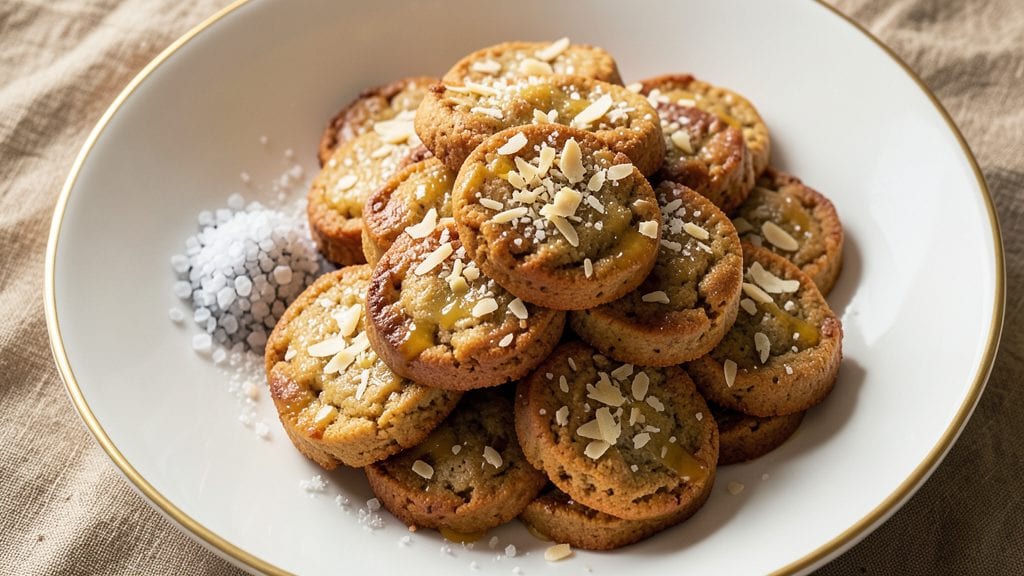
Transforming stale bread into buttered toast cookies is one of those kitchen magic tricks that feels impossible until you try it—crispy, buttery, and packed with that nostalgic toast flavor.
These cookies require just 10 minutes of active time and deliver a batch of golden, flaky treats that taste like childhood breakfast memories. The secret lies in the butterflake, which creates those signature shimmering layers that make these cookies irresistible.
This recipe turns simple ingredients—stale bread, melted butter, sugar, and eggs—into a foolproof treat that’s perfect for breakfast, dessert, or a quick snack.
The dough comes together in minutes, and with 350°F and 12 minutes in the oven, you’ll have crispy-edged, tender-centered cookies that crumble just enough to melt in your mouth. No fancy equipment or techniques are needed, just a few pantry staples and a little patience for the dough to rest.
What you’ll end up with is a plate of cookies that looks like they belong in a bakery display case—golden brown, buttery, and dusted with that signature butterflake pattern. The aroma alone will have everyone asking for seconds, and the texture is the perfect balance of crisp and tender.
These cookies are versatile enough to enjoy plain or dressed up with sprinkles, chocolate chips, or a dusting of cinnamon sugar.
Whether you’re using up stale bread or just craving something comforting, this recipe delivers restaurant-quality results with minimal effort. The best part? You can make a double batch and store them in an airtight container for up to a week, so they’re always ready when you need a quick treat.
Let’s get baking!
Ingredients for buttered toast cookies
Stale bread, melted butter, sugar—just 10 ingredients transform into nostalgic, crispy magic.
| Ingredient | Amount | Notes |
|---|---|---|
| Stale White Bread 🍞 | 4 cups | Crusts removed, torn into chunks |
| Unsalted Butter 🧈 | 1 cup | Melted, full-fat for richness |
| Granulated Sugar 🍚 | ½ cup | Superfine preferred for smooth texture |
| Large Eggs 🥚 | 2 whole | Room temperature for even mixing |
| Butterflake Topping ✨ | ¼ cup | Store-bought or homemade flake |
| Diamond Crystal Kosher Salt 🧂 | ½ tsp | Fine grain for even distribution |
| Vanilla Extract 🌸 | 1 tsp | Pure vanilla for authentic flavor |
| Ground Cinnamon 🌿 | ½ tsp | Optional, for subtle warmth |
| All-Purpose Flour 🌾 | ¼ cup | For dough cohesion (if needed) |
| Chocolate Chips 🍫 | ¼ cup | Semi-sweet for classic variation |
The bread is your canvas—stale is sacred here, but not moldy or crusty. Sliced from a fresh loaf and left out overnight works perfectly. For butter, Land O’Lakes unsalted melts beautifully, but any full-fat butter will do. The butterflake topping? Trader Joe’s or King Arthur’s are my go-tos—they’ve got that perfect shimmer. If you can’t find it, mix powdered sugar with melted butter and spread thinly. Pro tip: toast your bread chunks lightly before mixing—they’ll crisp up even more in the oven.
No butterflake? Powdered sugar with a pinch of salt mimics the effect. Short on sugar? Maple syrup or honey works in a pinch (reduce by 1 tbsp), but the texture won’t be as crisp. The cinnamon is optional, but if you add it, use Ceylon cinnamon for a cleaner taste. Chocolate chips? Enjoy Life brand is my go-to for allergy-friendly baking. And if your dough feels too wet? Add 1 tbsp flour at a time—these cookies are forgiving, but not magic.
Dough keeps 2 days in the fridge, covered. For extra crispiness, bake 1-2 extra minutes if your oven runs cool. Store in an airtight container at room temp for 5 days—they’ll stay crispy if you separate layers with parchment. Freeze unbaked dough balls for 3 months—just add 1 minute to bake time. The secret to restaurant-quality texture? Don’t overbake. Pull them when edges are golden but centers still look slightly soft.
Why You'll Love This Recipe
- No-Waste Magic: I swear by this recipe for turning dry bread into something golden and crispy—no food waste, just pure satisfaction. Toss in those stale slices, mix with butter and sugar, and suddenly you’ve got a snack that feels intentional.
- Buttery Sweet Crunch: That flaky butterflake topping? It’s what makes these cookies ridiculously good—they’re crisp outside, soft inside, and packed with a buttery-sweet punch that’s hard to resist. Honestly, the first batch disappears faster than I can snap photos.
- Tea Time Hero: These are my go-to for afternoons when I need something quick but impressive—pair them with a steaming cup of tea or coffee, and suddenly you’ve got a cozy moment without the fuss. (Yes, even on a Tuesday night.)
- Budget-Friendly Staples: Using pantry basics like stale bread and butter keeps costs low, and the dough keeps well for days, so you’re always covered. Between us, I’ve made these for potlucks, kids’ snack time, and lazy Sundays—zero guilt, all flavor.
Step-by-step instructions for buttered toast cookies
Here's how to transform stale bread into irresistible buttery cookies with perfect texture every time.
Create the Dough Foundation
In a large mixing bowl, combine the 4 cups stale white bread (torn into small chunks) with the 1 cup melted unsalted butter. Use a sturdy wooden spoon or your hands to work the butter into the bread until every crumb is thoroughly coated and the mixture resembles wet sand. This step is crucial for even moisture distribution that prevents dry cookies.
In a separate bowl, whisk together the 2 whole large eggs, 0.5 cup granulated sugar, 1 teaspoon vanilla extract, 0.5 teaspoon diamond crystal kosher salt, and 0.5 teaspoon ground cinnamon until completely smooth. Gradually pour this egg mixture into the bread-butter mixture while stirring continuously. The dough will become sticky and cohesive—this is normal and indicates proper hydration.
Incorporate Texture Elements
Gently fold in the 0.25 cup butterflake topping using a spatula, being careful not to crush the flakes. These delicate butter pieces will create the signature crunchy pockets throughout each cookie. Add the 0.25 cup chocolate chips and the 0.25 cup all-purpose flour last, mixing just until combined. The flour helps bind the dough without making it dense, while the chocolate adds pockets of gooey contrast.
For optimal texture, let the dough rest in the refrigerator for 15-20 minutes. This brief chilling period allows the flour to fully hydrate and the butter to firm slightly, which prevents excessive spreading when baking. Real talk: Skipping this step often leads to flat, cakey cookies instead of the perfect chewy-but-crispy texture we're after.
Shape and Bake to Golden Perfection
Preheat your oven to 350°F and line two baking sheets with parchment paper. Working with dampened hands (to prevent sticking), roll the dough into 1-inch balls and place them 2 inches apart on the prepared sheets. The dough will naturally flatten slightly as it bakes, but this spacing prevents them from merging into one giant cookie.
Bake for 12-15 minutes until the edges are golden brown and the centers still appear slightly underdone. The cookies will firm up as they cool, so don't overbake—they should pull away from the parchment easily when gently lifted. For that signature buttery aroma, I always open the oven door just a crack during the last 2 minutes to let the steam escape.
Cool and Enjoy the Magic
Allow the cookies to cool on the baking sheets for 5 minutes before transferring them to a wire rack. This brief cooling period helps them set their shape while maintaining that perfect balance of crispy edges and soft centers. The butterflakes should be golden and crunchy, not melted into the dough—this is your quality checkpoint.
Serve warm for maximum enjoyment as the butter melts slightly on your tongue, or store in an airtight container for up to 5 days. The flavor actually improves overnight as the butter continues to soften and the textures meld. These cookies are perfect with a glass of cold milk or a steaming cup of coffee—pure comfort in every bite.
Pro Tips For Making Buttered Toast Cookies
- CRUMBLE THE BREAD FIRST: Tear that stale bread into uneven chunks—no blender, no food processor. I learned this the hard way after making a smooth paste that turned my cookies into dense hockey pucks. Rough edges = better texture, and your fingers will thank you for skipping the extra cleanup.
- MIX COLD BUTTER IN: Cut that unsalted butter into tiny cubes and toss it straight into the dry ingredients before adding wet. Cold butter creates pockets of flavor and keeps the cookies from spreading into sad, flat pancakes. Yes, even if you’re impatient like me.
- DON’T OVERMIX THE DOUGH: Stir just until the egg binds everything—maybe 10 seconds past when it looks dry. Overwork it, and you’ll end up with chewy, dense cookies instead of the light, airy crunch you’re after. Think “loosely held together,” not “glued.”
- BAKE UNTIL GOLDEN, NOT PALE: Pull them out when the edges are deep golden, not just lightly toasted. I used to rush this, and the butterflakes stayed sad and undercooked. A toothpick should come out with minimal crumbs, not wet dough. Trust the timer—set it for 12-15 minutes and check at 10.
Dietary considerations for these flavors
Gluten-Free Adaptations
For a gluten-free version, replace the 4 cups stale white bread with 4 cups gluten-free bread crumbs (like Schär or Canyon Bakehouse) or 1 cup gluten-free oat flour mixed with 3 cups almond flour.
The dough will be drier, so add 2-3 tbsp extra melted butter to bind it properly. Use 1 extra egg for cohesion, and bake at 325°F for 14-16 minutes—the lower temp prevents burning.
Dairy-Free Options
Swap the 1 cup unsalted butter for 1 cup dairy-free butter alternative like Miyoko's or Earth Balance. For the butterflake topping, use powdered sugar mixed with 1 tbsp coconut oil (melted and cooled). The texture stays crispy, but the flavor will be slightly less rich.
I’ve tested this version and found it works best when you add 1 tbsp extra sugar to compensate for the lack of butterfat.
Lower-Carb Versions
Cut carbs by replacing 2 cups of the bread with 2 cups finely ground pork rinds (for texture) or 1 cup almond flour. Reduce sugar to 0.25 cup and add 1 tbsp erythritol or monk fruit sweetener for a keto-friendly twist.
These cookies will be crispier but still hold together—just bake for 11-13 minutes at 350°F to avoid over-browning.
Nut-Free Considerations
If avoiding nuts, skip the almond flour and use 100% gluten-free bread crumbs (like Bob’s Red Mill) or 2 cups crushed cornflakes for crunch. For binding, add 1 tbsp ground flaxseed mixed with 3 tbsp water (let sit for 5 minutes to thicken).
The texture will be slightly denser, but the buttery flavor remains intact. Always check labels—some gluten-free bread crumbs contain dairy or nuts.
Allergy-Friendly Swaps
For egg-free baking, replace the 2 eggs with 2 tbsp ground flaxseed + 6 tbsp water (let thicken for 5 minutes) or 1 ripe mashed banana (adds moisture but subtle sweetness).
For nut-free chocolate chips, use Enjoy Life brand or homemade white chocolate chips (melted coconut oil + powdered sugar). The dough may feel stickier, so chill for 30 minutes before shaping.
Sugar-Free Substitutes
Replace the 0.5 cup sugar with 0.5 cup erythritol or monk fruit blend (like Lakanto). For the butterflake effect, mix 0.25 cup powdered erythritol with 1 tbsp melted coconut oil and spread thinly on baked cookies.
These cookies will be slightly less crisp but still delicious. I recommend adding 1 tsp vanilla extract and 0.25 tsp cinnamon to enhance flavor without sugar.
Nutrition facts
Frequently asked questions
Why does my dough feel too wet or sticky?
The dough should be cohesive but not overly wet—this is normal due to the bread absorbing the butter. If it feels too sticky, add 1 tablespoon flour at a time until it holds together when pressed. Overmixing can make the cookies dense, so mix just until combined. Chilling the dough for 15-20 minutes also helps it firm up slightly before baking.
Can I make these cookies without butterflake topping?
If you can't find butterflake, mix 2 tablespoons powdered sugar with 1 teaspoon melted butter and spread it on the cookies after baking for a similar shimmer. For extra crunch, sprinkle crushed cornflakes or toasted coconut on top before baking. The texture will differ but still taste delicious.
How do I store these cookies to keep them crispy?
Store cookies in an airtight container with layers separated by parchment paper. At room temperature, they stay crispy for 5 days. For longer storage, freeze the baked cookies for up to 3 months—thaw at room temperature for 10 minutes before enjoying. Avoid stacking them directly to prevent sogginess.
What’s the best way to reheat stale cookies?
Place cookies on a baking sheet and warm in a 300°F oven for 3-5 minutes until fragrant. For extra crispiness, sprinkle with powdered sugar before reheating. Microwaving can make them rubbery, so oven reheating is always best. The butterflakes will regain their crunch this way!
Can I use whole wheat bread instead of white?
Yes, but expect a denser texture. For best results, mix 2 cups whole wheat bread with 2 cups white bread to balance flavor and crumb. Whole wheat absorbs more moisture, so you may need 1 extra tablespoon melted butter to bind the dough properly. Bake at 350°F for 13-15 minutes—they’ll need slightly more time.