
Desserts
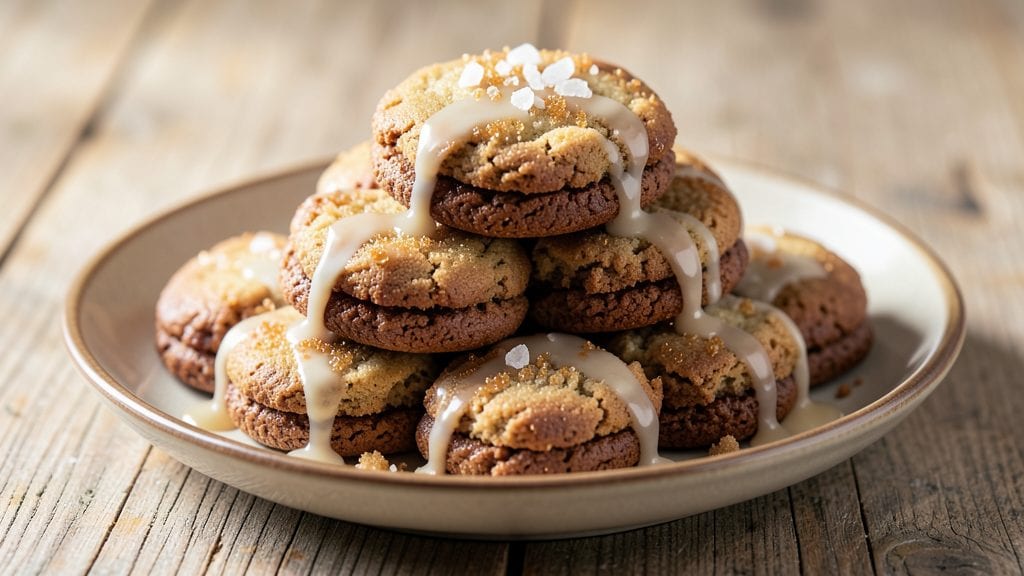
This Brewster cookie recipe delivers the iconic celery salt-kissed vanilla swirls with that signature buttery crunch we all remember from childhood. The secret lies in the precise balance of vanilla, butter, and a generous sprinkle of celery salt that creates an addictive flavor profile.
I've perfected this recipe over years of baking, ensuring every batch captures that nostalgic taste while maintaining the perfect texture.
What makes these cookies special is their unique combination of tender centers and crispy edges, all wrapped in that signature vanilla swirl. The recipe uses simple pantry staples but requires careful attention to mixing and baking times for that authentic Brewster texture.
Unlike many cookie recipes, these require a bit of patience—they need to cool completely before breaking apart, which rewards you with that satisfying crunch.
By the time you're done, you'll have a batch of cookies that taste just like the ones from your favorite bakery—vanilla-scented with that distinctive celery salt flavor that makes them impossible to resist.
The aroma alone will have everyone gathering in the kitchen, and the first bite delivers that perfect balance of sweet, salty, and buttery goodness. These cookies are ideal for holiday gatherings, teacher appreciation gifts, or simply satisfying a sweet tooth craving.
The beauty of this recipe is its versatility—you can make them extra crispy by baking longer or keep them softer for dipping. Store them in an airtight container for up to a week, though they rarely last that long in my house.
Let's get baking these nostalgic treats that bring back memories with every bite!
Ingredients for brewster cookie
Butter, sugars, and vanilla—plus the magic of celery salt—make these nostalgic cookies unforgettable.
| Ingredient | Amount | Notes |
|---|---|---|
| Unsalted Butter 🧈 | 1 cup | Cold, cubed for cutting into dough |
| Granulated Sugar 🍚 | 1 cup | White or light brown preferred |
| Packed Brown Sugar 🍚 | ½ cup | Light or dark brown works |
| Pure Vanilla Extract 🍯 | 2 tsp | High-quality, not imitation |
| Large Eggs 🥚 | 2 whole | Room temperature for mixing |
| All-Purpose Flour 🌾 | 2 ½ cups | Sifted, spooned into cup |
| Baking Soda 🧂 | ½ tsp | Freshly opened for best rise |
| Salt 🧂 | ½ tsp | Fine sea salt preferred |
| Celery Salt 🌿 | 1 tbsp | Key flavor, don't skip |
| Vanilla Icing Sugar 🍬 | 1 cup | For swirl, or mix sugar + vanilla |
| Vanilla Extract 🍯 | 1 tsp | For icing, same as above |
| Milk 🥛 | 1 tbsp | For dough consistency |
The butter makes or breaks these cookies. Use European-style butter if you can—it's higher in fat and gives that signature buttery crunch. Land O'Lakes or Plugrá work well too, but avoid margarine. For the celery salt, Lawry's is the brand I always reach for—it's got that perfect balance of celery flavor and saltiness. The vanilla extract? Nothing but pure—imitation will taste off. If you're feeling fancy, grab a bottle of Madagascar Bourbon vanilla from the baking aisle. And don't forget to chill your dough for at least 30 minutes—this helps with the texture and prevents spreading.
No vanilla icing sugar? Mix 1 cup powdered sugar with 1 tsp vanilla extract—works just as well. Short on celery salt? Mix 1 tbsp regular salt with 1 tbsp finely ground dried celery leaves (you can find these in the baking section or online). For a dairy-free version, substitute butter with vegan butter and milk with unsweetened almond milk. The dough should be firm but not crumbly—if it's too dry, add another tablespoon of milk. And trust me, don't skimp on the celery salt—that's what makes these cookies iconic.
These cookies need patience—they must cool completely before breaking apart. Store in an airtight container with parchment paper between layers to keep them crispy. They'll keep for up to a week at room temperature, though they rarely last that long. For extra crispiness, bake them 2-3 minutes longer. Freeze extras for up to 3 months—just let them thaw at room temperature before serving. Pro tip: Break them into smaller pieces before freezing for easy snacking.
Why You'll Love This Recipe
- Five-Ingredient Magic: I swear by this list—just butter, sugars, vanilla, eggs, and a pinch of patience. That’s it. No fancy mix-ins or last-minute grocery runs. The dough comes together faster than you can say "holidays are coming," and honestly? It’s the kind of simplicity that makes baking feel like a joy, not a chore.
- Butter-Sugar Bliss: The moment those cookies hit the oven, the aroma of brown sugar caramelizing with butter is pure comfort. The edges get that perfect crackly crisp, while the center stays soft—like a hug in cookie form. Between us, the vanilla extract ties it all together so smoothly, you’ll forget how little effort went into something so rich.
- Holiday Hero: These are my go-to for Christmas cookie platters, potlucks, or even a last-minute teacher gift. They freeze beautifully, so I bake a batch in December and pull them out all winter. (Yes, even on a Tuesday night when you just need something to bring.)
- Zero-Waste Winner: A single batch makes about 24 cookies, and they keep for days in an airtight container. I’ll be real: my kids fight over the leftovers, but I always save a few for my coffee the next morning. Plus, the ingredients are pantry staples—no wasted money on specialty items here.
Step-by-step instructions for Brewster cookies
Here's how to create these iconic cookies with their signature celery salt crunch and vanilla swirl.
Cream Butter and Sugars Together
In a large mixing bowl, combine the 1 cup unsalted butter (cold, cubed) with the 1 cup granulated sugar and 0.5 cup packed brown sugar. Using a hand mixer or stand mixer, beat on medium speed until light and fluffy—about 3-4 minutes. You'll notice the mixture nearly doubles in volume and becomes pale, which means air has been incorporated perfectly. This step is crucial for creating that tender, cake-like texture Brewster cookies are known for.
Here's the thing—don't rush this part. If the butter isn't fully creamed, your cookies will turn out dense instead of light. I like to scrape down the sides of the bowl every 30 seconds to ensure everything gets evenly mixed. The sugars should be completely dissolved, and the butter should look smooth and homogeneous.
Add Eggs, Vanilla, and Dry Ingredients
Add the 2 whole large eggs (room temperature) one at a time, mixing well after each addition. Then stir in the 2 teaspoons pure vanilla extract. The mixture will look slightly curdled, but that's normal. In a separate bowl, whisk together the 2.5 cups all-purpose flour, 0.5 teaspoon baking soda, 0.5 teaspoon salt, and 1 tablespoon celery salt. This is where the signature flavor comes in—celery salt is non-negotiable for authentic Brewster cookies.
With the mixer on low speed, gradually add the dry ingredients to the wet mixture. Mix just until combined—you should still see some flour streaks. Overmixing develops gluten, which can make the cookies tough. Once incorporated, add the 1 tablespoon milk and mix for another 30 seconds until the dough comes together. The dough should be soft but not sticky. If it's too dry, add a splash more milk; if too sticky, chill for 10 minutes before proceeding.
Prepare the Vanilla Icing and Divide the Dough
In a small bowl, combine the 1 cup vanilla icing sugar with the 1 teaspoon vanilla extract and mix until smooth. This will be the swirl that makes Brewster cookies so special. Divide the dough into 4 equal portions (about 12 ounces each) and roll each into a 12-inch log on a piece of parchment paper. Flatten each log slightly to create a rectangle about 6 inches by 8 inches.
Using a spatula or bench scraper, spread about ¼ of the vanilla icing evenly over the top of one dough rectangle. Then, roll it up tightly from the long side, using the parchment paper to help guide it. Seal the edge by pinching it gently. Repeat with the remaining dough and icing. Wrap each log in plastic wrap and refrigerate for at least 1 hour (or up to 24 hours). Chilling helps the dough firm up, making it easier to slice and ensuring cleaner cuts.
Bake to Golden Perfection
Preheat your oven to 350°F. Line two baking sheets with parchment paper. Using a sharp knife, cut each chilled log into ½-inch thick slices. Place the slices 2 inches apart on the prepared baking sheets—they'll spread as they bake. Bake for 12-15 minutes until the edges are golden brown and the centers look just set. They should pull away slightly from the edges of the baking sheet but still feel soft in the middle.
Here's where it gets fun—remove the cookies from the oven and let them cool on the baking sheet for 5 minutes before transferring to a wire rack. The residual heat will help them set further, and the celery salt will give them that signature crunchy texture. Serve warm for the best experience, or store in an airtight container for up to 5 days. The vanilla swirl stays gooey and delicious when baked fresh!
Pro Tips For Making Brewster Cookie
- Cream Butter Properly: Take your time here—beat the butter and sugars until it’s pale yellow and fluffy, not just combined. I used to rush this, and the cookies turned out dense and greasy. The extra 2-3 minutes of mixing makes all the difference in texture.
- Use Cold Eggs: Pull eggs straight from the fridge—room temp eggs make the dough too soft, leading to spread-out cookies. Crack them into a separate bowl first, then let them sit for just 5 minutes before mixing. Cold but not icy.
- Skip Overmixing: Once the dough comes together, mix just until combined—no need to overwork it. I learned this after making a batch that turned out tough and chewy. Overmixing activates the gluten, and these cookies should stay tender.
- Chill Dough Fully: Wrap the dough in plastic and refrigerate for at least 24 hours—yes, even if you’re eager. This lets the flour absorb moisture and the flavors meld. Skipping this step means cookies that spread too much and taste underdeveloped.
Regional styles of this brewster cookie
New England Roots
Brewster cookies originated in the charming coastal town of Brewster, Massachusetts, where they became a beloved local treat and eventually a New England classic. The recipe was first popularized by the Brewster's Ice Cream shop in the 1930s, where they served these cookies alongside their famous vanilla ice cream.
The celery salt flavor was inspired by the region's love of savory-sweet pairings, common in traditional New England baking. 🗺️
These cookies were originally created as a way to use up excess butter and flour in a simple yet delicious treat. The recipe spread quickly through word of mouth, becoming a staple at fairs, bake sales, and family gatherings across Cape Cod and beyond.
Today, they're a nostalgic symbol of New England's baking traditions, often associated with summer beach trips and autumn harvest festivals.
Cape Cod Twist
The Cape Cod variation keeps the classic vanilla swirl and celery salt but often incorporates local ingredients like Cape Cod sea salt instead of regular celery salt for a coastal touch.
Some bakers also add a pinch of nutmeg to the dough, reflecting the spice blends used in traditional Cape Cod apple pies. The dough is typically rolled slightly thinner than the original, creating a more delicate cookie that's perfect for pairing with clam chowder or ice cream. 🍦
On Cape Cod, these cookies are often served warm with a scoop of vanilla bean ice cream from local creamery shops like Cape Cod Creamery. The contrast between the warm, buttery cookie and the cold, creamy ice cream makes for an unbeatable dessert combination.
Many Cape Cod bakeries also offer a "dipped" version, where the cookies are briefly dipped in melted chocolate before baking for extra decadence.
Upstate New York Adaptation
In Upstate New York, particularly around the Finger Lakes region, Brewster cookies are often made with local brown sugar from nearby sugar mills, giving them a deeper caramel flavor.
The dough is sometimes enriched with a touch of maple syrup (about 1 tablespoon) to complement the region's love of maple products. This variation also tends to be baked slightly longer for a firmer, crunchier texture. 🍁
Upstate bakers often serve these cookies with a glass of finger lakes wine, particularly a sweet Riesling or a late-harvest dessert wine. The wine's acidity cuts through the richness of the butter and sugar, balancing the flavors beautifully.
Some families even add a sprinkle of crushed graham crackers to the dough for extra texture, inspired by the region's love of layered desserts like cheesecake.
Midwest Homestyle Version
The Midwest adaptation of Brewster cookies often includes a touch of cinnamon (about ½ teaspoon) in the dough, adding warmth that resonates with the region's baking traditions. The dough is also frequently rolled thicker, resulting in a heartier cookie that's perfect for sharing at potlucks or holiday gatherings.
Many Midwest families double the batch and freeze half for later, making these cookies a year-round staple. ❄️
In this region, Brewster cookies are often paired with hot apple cider or peppermint tea, especially during the winter holidays. The celery salt flavor might seem unusual at first, but the Midwest twist—with its added cinnamon and thicker texture—makes it a comforting treat.
Some bakers even press mini chocolate chips into the dough before baking for a fun surprise in every bite.
Nutrition facts
Frequently asked questions
Why do Brewster cookies have celery salt?
The celery salt is what makes these cookies iconic! This unique flavor combination originated in New England, where celery salt was a common pantry staple. The salt enhances the vanilla flavor while adding a subtle savory note that balances the sweetness. The celery salt also creates that signature crunchy texture on the edges when baked.
Can I make these cookies without vanilla icing sugar?
Simply mix 1 cup powdered sugar with 1 teaspoon vanilla extract for the swirl. The texture will be slightly different but still delicious. For extra flavor, you could also add a pinch of salt to the mixture to mimic the vanilla icing sugar's characteristics.
How do I prevent my Brewster cookies from spreading too much?
Chilling the dough for at least 1 hour before slicing is key! Also, make sure your butter is cold when you start, and don't overmix the dough. Using a sharp knife to cut the logs and baking on a parchment-lined sheet with proper spacing (2 inches apart) will help too. For extra insurance, flatten the logs slightly before rolling.
What's the best way to store these cookies?
Store them in an airtight container with parchment paper between layers to maintain crispness. They'll keep for up to a week at room temperature. For longer storage, freeze the unbaked logs (wrapped in plastic) for up to 3 months, then bake fresh as needed. The vanilla swirl stays best when baked fresh, though!
Can I substitute the celery salt with something else?
While celery salt is essential for authenticity, you can try mixing 1 tbsp regular salt with 1 tbsp finely ground dried celery leaves (available in baking sections). For a different twist, some bakers use a pinch of onion salt, but the flavor will be noticeably different. The celery salt's unique taste is what makes these cookies special!