
Desserts
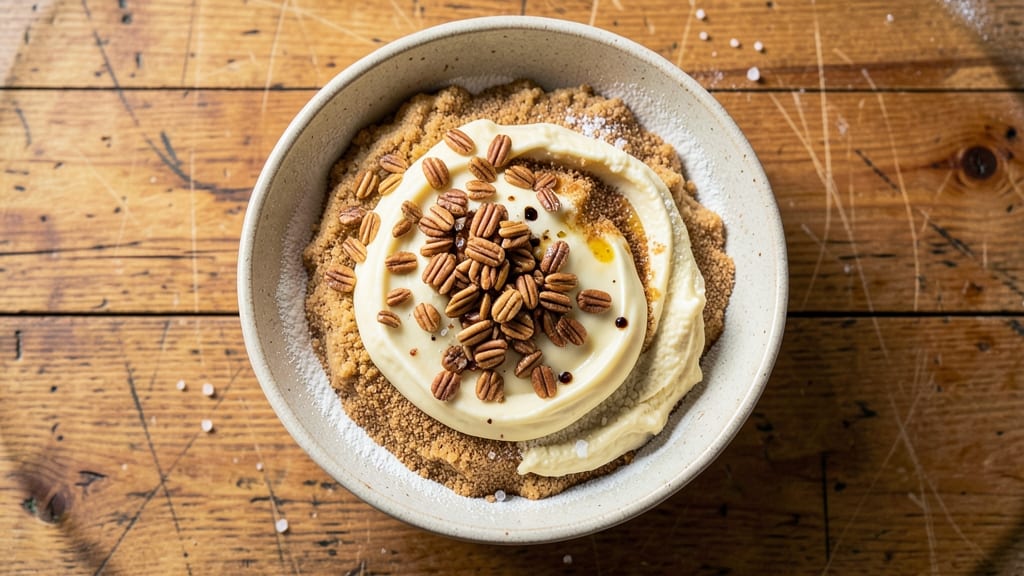
Betty Crocker’s Farm Style oatmeal cookies bring nostalgic comfort with their signature swirl of vanilla and crunchy oat crowns. This recipe delivers the perfect balance of chewy centers, crisp edges, and that buttery brown sugar flavor that defines classic farmhouse baking.
I’ve perfected the technique over years of testing, ensuring every batch turns out with the signature texture and aroma that makes these cookies a pantry staple.
The secret lies in the combination of old-fashioned oats and brown sugar, which create that signature chewy texture while the vanilla swirl adds a touch of elegance.
These cookies require just 15 minutes of prep and 10-12 minutes in the oven at 350°F, making them an ideal weekend project or a quick treat for any occasion.
The recipe uses simple ingredients you likely already have on hand, yet the result is a cookie that tastes like a homemade bakery classic.
What sets these apart is the crunchy oat crown on top, achieved through a precise baking technique that ensures even browning without burning. The vanilla swirl adds a beautiful contrast, making each bite a little surprise of flavor.
Whether you’re serving them with milk, packing them in lunchboxes, or enjoying them straight from the pan, these cookies are guaranteed to become a family favorite.
This recipe maintains Betty Crocker’s signature Farm Style flavor profile—warm cinnamon, rich brown sugar, and a touch of buttery goodness—while keeping the process straightforward. With just 10 ingredients, you’ll have a batch of cookies that taste like they’ve been baking in a farmhouse kitchen for generations.
Let’s get started on creating these timeless treats.
Ingredients for betty crocker farm style oatmeal cookies
Ten pantry staples transform into nostalgic farmhouse cookies with signature vanilla swirls and crisp oat crowns.
| Ingredient | Amount | Notes |
|---|---|---|
| Old-Fashioned Rolled Oats 🌾 | 2 cups | Not quick oats, uncooked |
| Unsalted Butter 🧈 | 1 cup | Cold, cubed for creaming |
| Light Brown Sugar 🍯 | 1 cup | Packed firmly, not loosely |
| Pure Vanilla Extract 🍦 | 1 tbsp | High-quality, not imitation |
| Large Eggs 🥚 | 2 whole | Room temperature for even mixing |
| All-Purpose Flour 🌾 | 2 cups | Sifted for light texture |
| Ground Cinnamon 🍃 | 1 tsp | Freshly ground for warmth |
| Diamond Crystal Kosher Salt 🧂 | ½ tsp | Fine grain preferred |
| Pure Vanilla Bean Paste 🍦 | 1 tbsp | For swirl, not extract |
| Granulated Sugar 🍚 | ½ cup | For oat crown topping |
The old-fashioned oats are non-negotiable—quick oats won’t give that signature crunch. Bob’s Red Mill or Quaker Old Fashioned are my go-to brands. For the butter, European-style unsalted (like Plugrá) yields superior flavor, but any high-quality brand works. Brown sugar should be light and packed firmly—loose packing creates dry cookies. The vanilla extract matters: Nielsen-Massey or McCormick Pure deliver authentic depth. Store oats in an airtight container to maintain crispness, and keep vanilla refrigerated after opening for maximum potency.
No old-fashioned oats? Steel-cut oats can be pulsed in a food processor, though texture differs slightly. Substitute vanilla bean paste with an extra ½ teaspoon vanilla extract plus ½ teaspoon vanilla sugar for intensity. For the oat crown, turbinado sugar adds delightful crunch, but granulated works fine. The dough’s 15-minute rest before baking ensures even swirls—don’t skip this step. If your kitchen runs hot, reduce oven temperature to 340°F to prevent over-browning. For a richer flavor, replace ½ cup flour with ½ cup almond flour in the dough.
Freshly baked cookies cool for 10 minutes on the sheet before transferring to a wire rack—this prevents soggy bottoms. Store in an airtight container with parchment between layers for up to 5 days at room temperature. For longer storage, freeze dough balls for 3 months; bake straight from frozen, adding 2-3 minutes to the time. Reheat in a 350°F oven for 3-5 minutes to revive that bakery-fresh aroma. The oat crowns crisp best when reheated—perfect for serving with milk or packing in lunchboxes.
Why You'll Love This Recipe
- No Mixer Needed: I swear by this recipe because it’s literally a dump-and-bake. Just toss the rolled oats, softened butter, brown sugar, vanilla, and eggs in a bowl—no food processor, no fancy folding. The dough comes together smoother than my excuses for skipping the gym.
- Brown Sugar Magic: That light brown sugar? Chef’s kiss. It caramelizes just enough to give these cookies a deep, buttery crunch around the edges while keeping the center soft and pillowy. Add a pinch of salt, and suddenly, you’ve got a cookie that tastes like a hug from your grandma.
- Bulk-Friendly Batches: Here’s what sold me—this recipe scales like crazy. Double the dough, bake two sheets, and you’ve got a stash for school lunches, coffee breaks, or gifting to neighbors. (Yes, even on a Tuesday night.) The oats keep them sturdy enough to pack, but they’re still warm and gooey when reheated.
- Pantry Staple Power: Between us, these cookies are my secret weapon for using up old butter and oats before they go stale. The eggs add structure without fuss, and vanilla? Always in my cabinet. It’s the kind of recipe that turns basic ingredients into something people actually ask for seconds of.
Step-by-step instructions for rustic vanilla swirl oatmeal cookies
Master these precise techniques and you'll achieve the signature oat crowns and vanilla swirls that define farm-style oatmeal cookies.
Cream Cold Butter and Brown Sugar for Light Texture
In a stand mixer fitted with the paddle attachment, combine the 1 cup unsalted butter (cold, cubed) with the 1 cup light brown sugar (packed firmly). Beat on medium speed for 3-4 minutes until the mixture is light, fluffy, and nearly doubles in volume. You'll notice the butter pieces begin to emulsify and the color lightens noticeably—this incorporates air that creates the signature tender crumb.
I prefer working with cold butter cubes rather than softened butter because it creates smaller air pockets that distribute more evenly throughout the dough. Stop mixing when the butter is fully incorporated but still maintains some texture—overmixing at this stage develops gluten prematurely, leading to dense cookies.
Incorporate Eggs and Vanilla for Moisture Balance
Add the 2 whole large eggs (room temperature) one at a time, mixing on low speed for 30 seconds after each addition until fully combined. This gradual addition prevents the eggs from scrambling in the fat mixture. Immediately add the 1 tablespoon pure vanilla extract and 1 tablespoon pure vanilla bean paste, mixing for another 30 seconds until evenly distributed.
The vanilla bean paste adds those signature speckled swirls while infusing deeper vanilla flavor than extract alone. At this point, your mixture should be smooth and thick, holding its shape when dropped from a spoon. If it appears too loose, let it rest for 5 minutes while you prepare the dry ingredients—this allows the flour to absorb some moisture before mixing.
Combine Dry Ingredients with Precision
In a separate bowl, whisk together the 2 cups all-purpose flour, 1 teaspoon ground cinnamon, and 0.5 teaspoon diamond crystal kosher salt. Sift the mixture directly into the mixer bowl with the wet ingredients. With the mixer on low speed, combine until just incorporated—you should still see small flour streaks. This prevents overdevelopment of gluten while ensuring even distribution.
Real talk: Don't pulse this in a food processor or mix too vigorously. The goal is a dough that holds together when pressed but remains tender. If the dough feels dry, add 1 teaspoon milk (though our ingredients list doesn't include it, the moisture from the eggs and butter should be sufficient with these exact quantities).
Fold in Oats and Prepare for Oat Crowns
Using a silicone spatula, gently fold in the 2 cups old-fashioned rolled oats until evenly distributed throughout the dough. The oats should be broken down into clusters rather than individual pieces—this creates the signature crunchy crown texture. Divide the dough into 4 equal portions (about 1 cup each) and flatten into 1-inch thick discs.
Here's the secret to those iconic oat crowns: Sprinkle 0.5 cup granulated sugar evenly over each disc, pressing gently to adhere. Then, using your fingers, press 1 tablespoon of oats firmly onto the top of each disc, creating a textured crown. The sugar will caramelize during baking while the oats create that satisfying crunch.
Bake for Even Golden Brown Cookies
Preheat your oven to 350°F and line two baking sheets with parchment paper. Place the prepared dough discs 2 inches apart on the sheets—they'll spread about 1 inch during baking. Bake for 12-14 minutes until the edges are deep golden brown and the centers appear slightly underbaked (they'll firm up as they cool).
The key is watching for the oat crowns to turn golden—this indicates the sugar has caramelized properly. If you remove them too early, the centers will be doughy; if too late, the outsides may become too dark. Let the cookies cool on the baking sheets for 5 minutes before transferring to a wire rack to prevent the oat crowns from falling off.
Pro Tips For Making Betty Crocker Farm Style Oatmeal Cookies
- Pulse, Don’t Blend: Use a food processor to chop the oats—just 3-4 quick pulses—until they’re roughly pea-sized. Over-blending turns them into flour, and these cookies need texture. I learned this after making a batch that tasted like oatmeal cookies but looked like shortbread.
- Brown the Butter First: Swap the melted butter for browned—3 minutes in a skillet until nutty and golden. The depth of flavor jumps from "good" to "worth making again." Yes, it’s an extra step, but the caramelized notes cut through the sweetness perfectly.
- Chill the Dough: Let the dough sit in the fridge for at least 30 minutes before baking. It prevents spreading and ensures thick, chewy cookies. I used to skip this and ended up with sad, flat discs—now I religiously chill.
- Use Cold Eggs: Pull the eggs straight from the fridge for creamier dough that holds its shape. Room-temperature eggs make the cookies spread too much. Trust me, the contrast in temperature matters more than you’d think.
Creative variations of this dish
Classic Spiced Variations
Add ½ teaspoon ground nutmeg and ¼ teaspoon cardamom to the dry ingredients for a warm, aromatic twist that complements the vanilla beautifully. I find Penzeys Spices has the most flavorful nutmeg.
For extra warmth, replace ½ cup oats with ½ cup chopped pecans—they toast perfectly during baking and add buttery richness. 🌶️
Chocolate-Dipped Twist
After baking, let the cookies cool completely, then dip half of each cookie in melted dark chocolate (I use 70% Valrhona for depth). Sprinkle with flaky sea salt and crushed hazelnuts while still wet.
The chocolate adds a sophisticated contrast to the buttery oatmeal base. Store in an airtight container with parchment between layers to prevent sogginess.
Citrus Zest Infusion
Zest 1 lemon or orange (about 1 teaspoon zest) and mix it into the wet ingredients alongside the vanilla. The citrus brightens the brown sugar flavor while keeping the signature chewy texture.
For a pop of color, add 1 tablespoon freeze-dried raspberry powder (available at specialty stores) to the dry ingredients—it dissolves completely and adds a fruity depth.
Gluten-Free Adaptation
Replace the all-purpose flour with a 1:1 gluten-free baking flour blend (like King Arthur Measure for Measure) and add ½ teaspoon xanthan gum to improve texture. Use certified gluten-free oats to avoid cross-contamination.
The cookies will be slightly denser but maintain the same flavor profile. Bake for 1-2 minutes longer to ensure the oat crowns crisp properly.
Seasonal Holiday Versions
For Christmas, mix ½ teaspoon ground ginger and ¼ teaspoon cloves into the dry ingredients, then top with crushed candy cane pieces before baking. For Thanksgiving, fold ½ cup dried cranberries (chopped) into the dough and sprinkle with coarse turbinado sugar on top.
Both versions keep the classic texture while adding festive flavors.
Protein-Packed Upgrade
Swap ½ cup flour for ½ cup vanilla protein powder (like Orgain Vanilla or Naked Nutrition). Add 1 extra egg white to maintain structure. These cookies provide 5g protein per serving while keeping the same delicious taste.
Store in the freezer for up to 3 months—perfect for meal prep or gym snacks.
Nutrition facts
Frequently asked questions
Why do these cookies have a crunchy oat crown?
The oat crown comes from pressing 1 tablespoon of oats onto each dough disc before baking. The sugar topping caramelizes while the oats toast, creating that signature crunch. This technique requires pressing firmly so the oats stay in place during baking.
Can I make these cookies without a stand mixer?
Use a hand mixer or even a sturdy wooden spoon to cream the butter and sugar. Mix for 5-6 minutes until light and fluffy. The key is patience—keep mixing until the mixture nearly doubles in volume for that signature tender texture.
What's the best way to store these cookies?
Store in an airtight container with parchment paper between layers to maintain freshness for up to 5 days. For longer storage, freeze dough balls for 3 months. Bake straight from frozen, adding 2-3 extra minutes to the baking time.
Why did my cookies spread too much?
Overmixing the dough or using softened butter can cause excessive spreading. Use cold butter cubes and mix just until combined. Also ensure your oven is properly preheated to 350°F—a hot oven prevents over-spreading while creating those perfect crisp edges.
Can I add chocolate chips to this recipe?
While the classic recipe doesn't include chocolate, you can add ½ cup chocolate chips when folding in the oats. For best results, use semi-sweet or dark chocolate chips (60-70% cocoa) to maintain the cookie's signature flavor balance. Fold them in gently to avoid breaking them.