
Salads
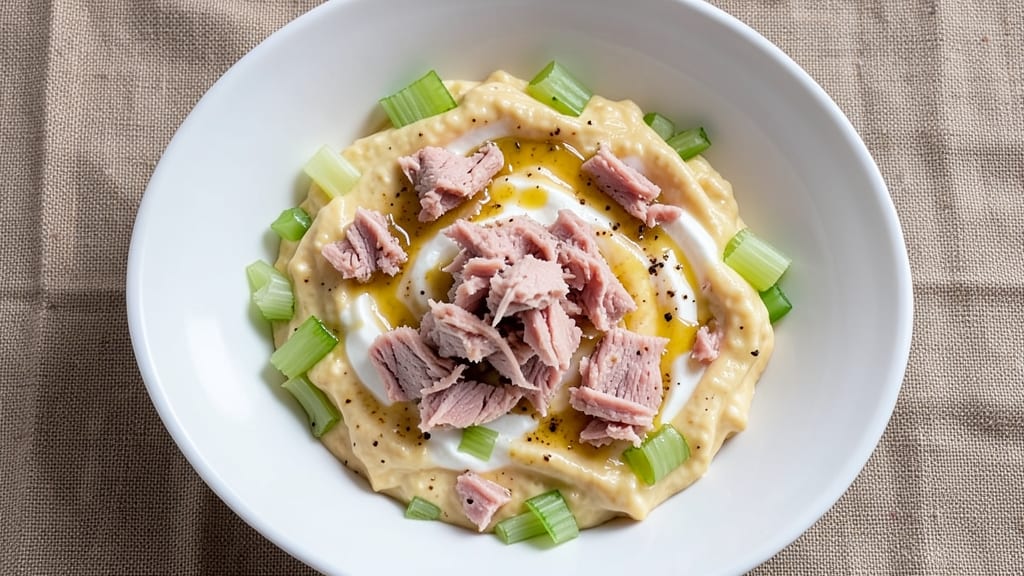
This best tuna salad recipe ever transforms simple ingredients into a vibrant, protein-packed dish that’s ready in just 15 minutes. The secret lies in balancing creamy mayo with bright lemon and crisp celery for texture that keeps every bite fresh.
I developed this version after years of testing—no soggy lettuce or bland flavors here, just a perfect harmony of flavors that stays crisp even after sitting.
The magic happens with a few key techniques: finely chopping celery and red onion for subtle crunch, using fresh lemon juice instead of vinegar for brightness, and mixing in just enough Dijon mustard to bind without overpowering.
This isn’t your childhood tuna salad—it’s a restaurant-worthy dish that’s still easy enough for a weeknight lunch. The lemon zest adds a zingy finish that cuts through the richness of the tuna.
What you’ll end up with is a salad that’s creamy yet light, packed with protein and freshness, and ready to be served on its own or piled high on sandwiches. The celery stays crisp, the lemon keeps it bright, and the tuna remains tender—no dry or fishy aftertaste.
This is the kind of recipe that becomes a staple in your rotation, whether you’re meal prepping or hosting a lunch gathering.
For added flair, garnish with fresh dill or a sprinkle of smoked paprika before serving. It’s also naturally pescatarian-friendly and can be adapted with vegan mayo for a plant-based twist. Let’s get started on this foolproof, flavor-packed tuna salad that will have everyone asking for seconds.
Ingredients for best tuna salad recipe ever
Simple ingredients, big flavor—this tuna salad is restaurant-quality in 15 minutes.
| Ingredient | Amount | Notes |
|---|---|---|
| Canned Tuna in Water 🐟 | 2 cans | High-quality, drained well |
| Mayonnaise 🥛 | ¾ cup | Best quality, full-fat preferred |
| Fresh Lemon Juice 🍋 | 2 tbsp | Freshly squeezed, no substitutes |
| Dijon Mustard 🍯 | 1 tbsp | For subtle tang and binding |
| Celery Stalks 🧅 | 2 whole | Finely chopped, crisp variety |
| Red Onion 🧅 | ¼ cup | Finely diced, mild sharpness |
| Lemon Zest 🍋 | 1 tbsp | Bright, aromatic finish |
| Fresh Dill 🌿 | ¼ cup | Chopped, for fresh herb note |
| Salt 🧂 | ½ tsp | Kosher or sea salt |
| Black Pepper 🌶️ | ¼ tsp | Freshly ground, to taste |
| Capers 🍅 | 1 tbsp | Chopped, optional for briny kick |
| Extra-Virgin Olive Oil 🫒 | 1 tbsp | For richness, high-quality |
| Smoked Paprika 🌶️ | ¼ tsp | For subtle smokiness |
The tuna is your protein star, so grab high-quality canned tuna in water—none of that oil-packed stuff here. Wild Planet or Starkist Select are my go-tos, but any good brand works. The celery and red onion are non-negotiable for that perfect crunch—crisp celery (the green stalks) is key, and red onion adds a mild bite without overpowering. I always chop them super fine so they blend in smoothly. The lemon juice? Fresh is non-negotiable—bottled just won’t cut it. If you’re feeling fancy, grab a Meyer lemon from the farmers market for that extra-sweet tang.
No Dijon mustard? Yellow mustard in a pinch, but it’ll be less refined. The mayo can be swapped for Greek yogurt if you want it lighter, or vegan mayo for a plant-based twist. Running low on fresh dill? Fresh parsley works too, though it’s not quite the same. The capers add a briny punch, but if you skip them, just add a splash more lemon juice. The smoked paprika is optional but gives that restaurant-worthy depth—Penzeys or Trader Joe’s have great options. Pro tip: Toast the celery and onion in olive oil for 2 minutes before chopping to soften them slightly and add even more flavor.
This salad keeps beautifully—3-4 days in the fridge, sealed tight. The flavors actually meld better overnight, so make it the night before if you can. For meal prep, portion into containers with a layer of mayo on top to keep everything fresh. Garnish with extra lemon zest or a sprinkle of paprika right before serving—that’s when it looks most impressive. If you’re serving it on sandwiches, add the tuna salad last minute so the bread doesn’t get soggy. Trust me, it’s a game-changer.
Why You'll Love This Recipe
- Five-Ingredient Magic: Honestly, I swear by this combo—no fancy prep, no hidden shortcuts. Just open a can, squeeze some lemon, chop one stalk of celery (yes, really), and mix. The Dijon mustard does all the work while you’re still debating whether to load it on crackers or toast.
- Bright & Tangy: That lemon juice isn’t just for flavor—it cuts through the richness of the mayo and makes the tuna taste fresh, not canned. The celery adds a satisfying crunch, and the mustard? It’s the secret that keeps this from tasting like a sad cafeteria lunch.
- Lunchbox Legend: Between us, this is my go-to for work lunches or kids’ school snacks. Pack it in a jar, and it stays together—no soggy bread, no messy spills. (Yes, even on a Tuesday night when I’m running late.)
- Budget Win: I buy tuna in bulk, and this recipe stretches it for days. Leftovers? Toss them in a wrap or over greens—still delicious. Plus, the ingredients cost less than half of those pre-made salad kits, and it actually tastes better.
Step-by-step instructions for the best tuna salad ever
This isn't your grandmother's tuna salad—it's bright, crunchy, and packed with bold flavors in record time.
Drain and Flake the Tuna Properly
Open the 2 cans of canned tuna in water and drain them thoroughly over a fine-mesh strainer. This removes excess water that would make your salad soggy later. Using a fork, gently break up the tuna into small, even flakes—you want it to distribute perfectly throughout the mixture. Don't overwork it or you'll end up with a dense, paste-like texture. The tuna should look like fine, delicate pieces rather than a chunky mass.
Here's the thing—high-quality tuna makes all the difference. I always use premium brands that have a firmer texture when drained. If your tuna seems too soft or watery, pat it gently with a paper towel to absorb any remaining moisture before proceeding. This step sets the foundation for that perfect balance of texture in your salad.
Prepare the Fresh Vegetable Mix
Finely chop the 2 whole celery stalks into tiny pieces—think almost like a fine dice. You want them to disappear into the salad rather than provide a separate crunch. Next, dice the 0.25 cup red onion into similarly small pieces. The goal is to distribute these throughout the salad evenly so each bite has that fresh, crisp quality without overwhelming the tuna's flavor.
Zest the lemon using the 1 tablespoon lemon zest, then finely chop the 0.25 cup fresh dill. The zest adds that bright citrus aroma that cuts through the richness of the mayonnaise, while the dill provides that fresh, herby note that keeps the salad feeling vibrant. I like to use a microplane for the zest to get fine, even shreds that dissolve into the mixture beautifully.
Combine Wet Ingredients for Maximum Flavor
In a large mixing bowl, combine the 0.75 cup mayonnaise, 2 tablespoons fresh lemon juice, 1 tablespoon Dijon mustard, 1 tablespoon extra-virgin olive oil, and 0.25 teaspoon smoked paprika. Mix these together thoroughly until fully incorporated—the smoked paprika adds a subtle depth that elevates this beyond basic tuna salad. The Dijon mustard helps bind everything together while adding just enough tang.
Add the chopped capers to the wet mixture and stir them in completely. These little briny bites are optional but make a huge difference—they add a salty, umami punch that makes this salad truly special. If you're using them, make sure they're finely chopped so they distribute evenly. The mixture should be smooth at this point, with no visible streaks of mustard or oil remaining.
Fold Everything Together Gently
Add the drained tuna flakes to the wet mixture and gently fold them in using a spatula. You want to be careful not to overmix—just combine until the tuna is evenly distributed. Next, add the prepared vegetable mix (celery, red onion, lemon zest, and dill) and fold these in as well. The key here is to work gently to maintain the texture of both the tuna and the fresh vegetables.
Season with the 0.5 teaspoon salt and 0.25 teaspoon black pepper, then give everything one final gentle fold. Taste a small spoonful—this is where you can adjust if needed. If it needs more brightness, add a little more lemon juice. If it needs more richness, add a touch more mayonnaise. The salad should be perfectly balanced between creamy, fresh, and slightly briny.
Chill and Serve for Perfect Texture
Cover the bowl and refrigerate the tuna salad for at least 30 minutes before serving. This chilling time allows all the flavors to meld together beautifully and gives the vegetables time to soften slightly, making them more tender and delicious. The salad will keep well in the refrigerator for up to 3 days, though I always find it's best enjoyed fresh.
When ready to serve, give the salad one final gentle stir to redistribute any ingredients that may have settled. The texture should be creamy from the mayonnaise but still have that delightful crunch from the celery and onion. This isn't just tuna salad—it's a flavor explosion that will have everyone asking for seconds. Trust me, this is the best tuna salad you'll ever make!
Pro Tips For Making Best Tuna Salad Recipe Ever
- Drain. Pat. Don’t Rush: Canned tuna’s got moisture—skip draining and patting dry, and your salad turns into a sad, watery mess. Grab a paper towel, press the tuna in the can with the back of a spoon, then transfer it to a bowl. Takes 30 seconds but makes a real difference.
- Use Celery Stems: Those tough celery stalks? They’re not trash—they’re flavor bombs. Peel the outer strings, chop them fine, and add them to the mix. They’ll soften just enough to add texture without bitterness, and they keep the salad from getting mushy.
- Mix Mayo Last: Add the mayonnaise at the very end, right before serving. If you mix it in early, the acid from the lemon and mustard will break it down, turning it greasy. Stir it in just before eating—your sandwiches will stay creamy and bright.
- Skip the Pre-Cut Celery: Buy whole celery stalks and chop them yourself. Pre-cut celery loses crispness fast, and the flavor fades within hours. A quick 30-second chop keeps it fresh, and you’ll notice the difference in every bite.
Best sauces and condiments for best tuna salad recipe ever
Classic Mayo Upgrade
Start with full-fat mayonnaise—it adds richness that lighter versions can’t match. I recommend Duke’s or Hellmann’s for that perfect balance of creaminess. For a lighter twist, swap in Greek yogurt (like Fage 5%) or vegan mayo (try Sir Kensington’s), but expect a slightly tangier texture.
The key is to use cold mayo straight from the fridge to avoid breaking the emulsion when mixing. 🥛
Mustard Matters
Dijon mustard is non-negotiable for that refined tang, but if you’re out, yellow mustard works in a pinch. I like Maille for its smooth texture, but any good-quality Dijon will do.
The mustard not only adds flavor but also helps bind the ingredients together. For extra depth, add 1 tsp of honey to the wet mix—it balances the acidity beautifully. 🍯
Acid Brighteners
Fresh lemon juice is the star here, but lime juice or a mix of both adds complexity. I squeeze 2 tbsp of lemon juice and reserve the zest for garnish. For a sweeter note, add 1 tsp of honey or 1 tsp of maple syrup to the wet ingredients.
If you prefer a sharper kick, swap in 1 tbsp of apple cider vinegar—it cuts through the richness like a knife. 🍋
Umami Boosters
Capers are my secret weapon for briny depth, but if you skip them, try 1 tsp of soy sauce or 1 tsp of fish sauce for umami. For a smoky twist, add ½ tsp of smoked paprika or a dash of Worcestershire sauce.
These small additions transform basic tuna salad into something restaurant-worthy. 🌶️
Herb Infusions
Fresh dill is classic, but parsley or chives add a different brightness. For a Mediterranean touch, mix in 1 tbsp of chopped fresh parsley with the dill.
If you love herbs, try 1 tsp of dried tarragon (it’s subtle but magical). Always use fresh herbs—they make all the difference in texture and aroma. 🌿
Finishing Touches
Garnish with extra lemon zest, smoked paprika, or crispy fried shallots for crunch. A drizzle of high-quality olive oil (like California Extra Virgin) adds richness, while a sprinkle of flaky sea salt (like Maldon) elevates the dish instantly.
These final touches turn good tuna salad into something extraordinary. ✨
Nutrition facts
Frequently asked questions
Why does this tuna salad stay crispy while others get soggy?
This recipe keeps its texture perfect because of three key factors: finely chopped celery and red onion (not thick slices), chilling for 30 minutes before serving, and using high-quality mayo that doesn't break down. The celery stays crisp because it's mixed in last and never overworked. Also, the lemon juice helps preserve freshness longer than vinegar would.
Can I make this tuna salad ahead of time?
This salad actually tastes better after 24 hours as the flavors meld together. Store it in an airtight container in the fridge for up to 3 days. To keep the celery crisp, add a thin layer of mayo on top before sealing. Stir gently before serving to redistribute any settled ingredients.
How do I make this recipe vegan?
Swap the mayo for vegan mayo (like Sir Kensington's) and use aquafaba (chickpea brine) or silken tofu blended with lemon juice to replace the tuna. Keep all other ingredients the same. The texture will be slightly different but still delicious! For extra protein, add chopped avocado or white beans to the mix.
What's the best way to serve this tuna salad?
This versatile salad works perfectly on crusty bread for sandwiches, over greens for a light lunch, or as a filling for wraps. For an elegant touch, serve it in endive leaves or cucumber boats. It also makes amazing crostini toppings or party appetizers when served in small cups with toothpicks. The lemon zest adds that restaurant-worthy presentation!
My tuna salad turned out too dry—what went wrong?
This usually happens when the tuna wasn't drained well enough or the mayo was too thick. Next time, pat the tuna dry with paper towels after draining and use full-fat mayo straight from the fridge. If it's still too dry, stir in 1-2 teaspoons of milk or lemon juice to loosen the mixture. The key is to work with cold ingredients to maintain the right consistency.