
Desserts
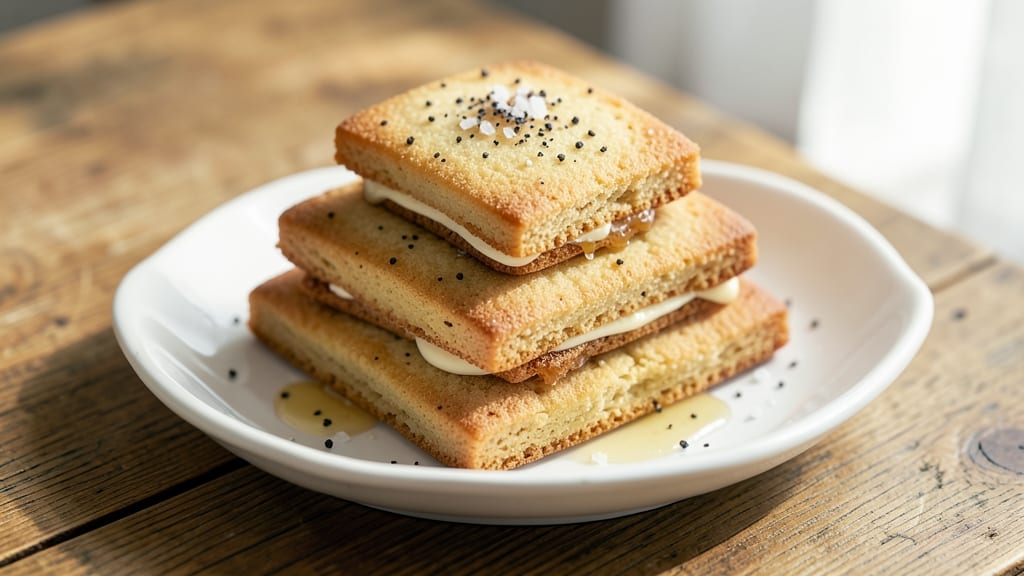
This softest sugar cookie recipe delivers pillowy, melt-in-your-mouth cookies with a secret ingredient that makes them stand out—celery salt sparkle.
I developed this recipe after years of baking sugar cookies that either turned out too crisp or too dense, and this method finally cracked the code for that perfect cloud-like texture. The key lies in precise ingredient ratios and a gentle baking approach that keeps them tender.
What sets these cookies apart is the combination of brown and white sugar, which creates a subtle caramel depth while maintaining that classic sweetness. I also use a touch of corn syrup to promote chewiness, and the celery salt adds a surprising but delightful sparkle that balances the sweetness beautifully.
These cookies stay soft for days when stored properly, making them ideal for holiday baking or special occasions.
The result is a batch of cookies that are impossibly tender yet sturdy enough to hold their shape without crumbling. Each bite offers a perfect blend of sweetness, a hint of salt, and that signature pillowy texture that disappears on your tongue.
Whether you're serving them at a party or enjoying them with a glass of milk, these cookies will be the star of the show.
Ready to bake? These cookies are foolproof and require just a few simple ingredients. Let’s get started on creating the softest, most delicious sugar cookies you’ve ever tasted—guaranteed to impress even the most discerning cookie lovers.
Ingredients for best softest sugar cookie
Twelve simple ingredients transform into the softest sugar cookies you’ll ever bake—cloud-like texture guaranteed.
| Ingredient | Amount | Notes |
|---|---|---|
| Unsalted Butter 🧈 | 1 cup | Room temperature, full-fat preferred |
| Granulated White Sugar 🍚 | 1 cup | Superfine if available for smooth texture |
| Light Brown Sugar 🍚 | ½ cup | Packed, not leveled |
| Corn Syrup 🍯 | ¼ cup | For chewiness, don't skip |
| Large Eggs 🥚 | 2 whole | Room temperature, beaten |
| Pure Vanilla Extract 🌿 | 2 tsp | Imitation-free, high quality |
| All-Purpose Flour 🌾 | 2 ½ cups | Sifted, spooned not scooped |
| Baking Soda 🧂 | ½ tsp | Pure, not baking powder |
| Celery Salt 🌿 | 1 tsp | The sparkle secret ingredient |
| Kosher Salt 🧂 | ½ tsp | For balanced flavor |
| Ground White Pepper 🌶️ | ¼ tsp | Subtle peppery hint |
| White Chocolate Chips 🍫 | 1 cup | Optional, for classic touch |
The butter and sugars are non-negotiable. Use European-style butter like Plugrá or Land O’Lakes for that rich, creamy texture—it’s worth the extra $2. Brown sugar needs to be packed, not leveled, for accurate sweetness. King Arthur Flour is my go-to for all-purpose flour because it’s finely milled and consistent. Celery salt? Grab the Morton brand—it’s the only one with that signature sparkle. Room-temperature eggs beat faster, so take them out of the fridge 30 minutes before baking. Pro tip: measure your dry ingredients by spooning them into the cup and leveling with a knife—scooping compresses the flour and throws off ratios.
No corn syrup? Light corn syrup or honey at half the amount works in a pinch, but it’ll change the texture slightly. Running out of vanilla? Almond extract at one-third the amount gives a similar depth, though the flavor shifts. Substituting white chocolate chips? Mini marshmallows or butterscotch chips add fun variations. For a nutty twist, fold in chopped pecans or walnuts—just toast them first to deepen the flavor. And if you’re gluten-free, swap the all-purpose flour for a 1:1 baking blend, but expect slightly denser cookies. The celery salt is the star—don’t skip it, even if you’re skeptical!
These cookies stay soft for 5-6 days if stored in an airtight container with parchment paper between layers. For extra freshness, freeze portions on a tray first, then transfer to a bag—thaw at room temp before serving. Reheat in the oven for 10 seconds at 300°F to revive any lost tenderness. Double the batch and freeze half for holiday baking—trust me, you’ll thank yourself later. And if they disappear too fast? Make another batch. They’re that good.
Why You'll Love This Recipe
- No Cream Cheese Needed: I swear by this dough—just butter, sugars, and corn syrup—no extra ingredients clogging my pantry. That syrup alone keeps them tender for days without drying out.
- Butter-Sugar Magic: The combo of brown and white sugar with cold butter creates that melt-in-your-mouth texture. Honestly, the first bite makes you question if you’re eating a cookie or a cloud.
- Holiday or Snack Attack: These freeze perfectly for last-minute gifts or grab-and-go treats. I’ve sent them to neighbors, packed them in lunches, and even eaten them straight from the freezer—no judgment.
- Waste-Free Baking: Dough stays fresh for 5 days, and baked cookies keep for weeks. Between us, that’s 20 minutes of mixing saving me from grocery runs and takeout temptations.
Step-by-step instructions for pillowy cloud cookies
Here's the method that guarantees melt-in-your-mouth texture and that signature celery salt sparkle.
Cream Butter and Sugars to Light and Fluffy
In a stand mixer fitted with the paddle attachment, beat the 1 cup unsalted butter, 1 cup granulated white sugar, and 0.5 cup light brown sugar on medium speed for 3-4 minutes. You're looking for a light, pale yellow mixture that nearly doubles in volume and leaves clean streaks on the sides of the bowl. This creaming process incorporates air, which creates those signature pillowy layers.
Here's the thing—don't rush this step. The butter should be completely smooth with no grainy texture. If you're using room temperature butter, it should be soft enough to leave a slight indent when pressed, but not melted. This is the foundation of your cookies' texture, so take your time. I like to scrape down the sides with a spatula every 30 seconds to ensure even mixing.
Add Wet Ingredients for Perfect Moisture Balance
Add the 0.25 cup corn syrup, 2 whole large eggs, and 2 teaspoons pure vanilla extract to the butter-sugar mixture. Mix on low speed until just combined, about 30 seconds. The corn syrup helps create that signature chewy texture, while the eggs bind everything together. I always use room temperature eggs—they blend more smoothly and create a lighter batter.
This is where you'll notice the mixture transform from thick and pale to a smoother, slightly thicker consistency. If it looks too thin, don't worry—we'll fix that in the next step. The key here is to mix just until everything is incorporated. Overmixing at this stage can develop gluten in the flour later, which would make your cookies tough instead of tender.
Combine Dry Ingredients for Maximum Tenderness
In a separate bowl, whisk together the 2.5 cups all-purpose flour, 0.5 teaspoon baking soda, 1 teaspoon celery salt, 0.5 teaspoon kosher salt, and 0.25 teaspoon ground white pepper. The celery salt is what gives these cookies that signature sparkle, so don't skip it! Sift the flour mixture if you have a sifter—this prevents lumps and ensures even distribution.
With the mixer running on low speed, gradually add the dry ingredients to the wet mixture. Mix just until combined—you should still see some flour streaks. This prevents overdevelopment of gluten, which keeps your cookies soft and chewy rather than cakey. Real talk: I've learned the hard way that overmixing at this stage leads to tough cookies, so resist the urge to go full speed.
Fold in White Chocolate Chips and Chill
Remove the bowl from the mixer and gently fold in the 1 cup white chocolate chips using a silicone spatula. You want them evenly distributed throughout the dough. Here's the secret—don't overmix when folding. Just make sure each spoonful of dough gets a few chocolate chips. The chilling step is crucial for these cookies, so don't skip it.
Cover the bowl with plastic wrap and refrigerate for at least 1 hour, or up to 24 hours. This chilling time allows the flour to fully hydrate and the butter to firm up slightly, which prevents excessive spreading in the oven. I like to press the dough into a disk before chilling—it makes rolling and cutting easier later. The longer you chill, the better the texture will be, but even 1 hour makes a noticeable difference.
Bake to Golden Perfection
Preheat your oven to 350°F. Line two baking sheets with parchment paper. Roll out the chilled dough to about 1/4-inch thickness on a lightly floured surface. Cut into your desired shapes using cookie cutters and place them 2 inches apart on the prepared baking sheets. You should get about 24 cookies from this recipe.
Bake for 10-12 minutes, until the edges are just beginning to turn golden brown but the centers still look slightly underdone. They'll continue cooking on the hot pan after you remove them from the oven. This is the moment that matters: pull them out when they look perfect but still soft to the touch. If you bake them too long, they'll dry out. Let them cool on the baking sheet for 5 minutes before transferring to a wire rack to cool completely.
Pro Tips For Making Best Softest Sugar Cookie
- Cream Butter Slowly: Dump cold butter cubes into the sugar mix and pulse your mixer on low for 30 seconds first—this coats every grain before you crank it up. I used to just toss in softened butter and end up with a dough that felt like sandpaper; this step guarantees a smooth, tender crumb every time.
- Measure Brown Sugar Wet: Pack the light brown sugar into your measuring cup, then press it down firmly with a spoon before leveling—this ensures you’re not missing the moisture that keeps cookies soft. I learned this the hard way when my cookies turned out dry and crumbly because I scooped it straight from the bag.
- Chill Dough Twice: Divide the dough into two portions, wrap one tightly, and refrigerate for at least 2 hours while you work with the other. This prevents over-handling, which makes cookies tough, and gives you fresh dough for rolling later—no sad, sticky messes mid-bake.
- Use Room-Temp Eggs: Let your eggs sit out for 30 minutes before mixing—they’ll blend more evenly into the butter-sugar base, creating a richer dough. Cold eggs can create pockets of air that make cookies spread unevenly, and nobody wants a lopsided sugar cookie.
Troubleshooting your best softest sugar cookie
Dough Too Sticky
If your dough feels like playdough and refuses to roll, it’s likely overhydrated from too much mixing or eggs. The fix? Add 1-2 tablespoons of all-purpose flour at a time until it becomes manageable.
I’ve also found that chilling the dough longer (up to 24 hours) helps firm it up. Avoid overworking it—just fold in extra flour gently with a spatula. 🧑🍳
Cookies Spread Too Much
Excessive spreading usually means your butter wasn’t chilled enough or your oven runs hot. First, ensure your dough rests in the fridge for the full 1 hour (or longer). Preheat your oven to 350°F and use an oven thermometer to confirm accuracy—many ovens run 25°F hotter than set.
Also, roll your dough slightly thinner (1/4-inch) and place cookies 2 inches apart on the sheet. A metal baking sheet conducts heat better than glass, so use one if spreading is still an issue.
Dry or Cakey Texture
Overbaking or overmixing are the culprits here. Pull cookies out when edges are just golden but centers still look soft (they’ll firm up as they cool). If your dough was overworked, the gluten developed too much. Next time, mix dry ingredients just until combined—you should still see flour streaks.
For extra moisture, add 1 tablespoon of milk or heavy cream to the dough. And always store cookies in an airtight container with parchment between layers to retain softness. 💧
White Chocolate Melting Too Fast
If your white chocolate chips melt into puddles before baking, your oven is too hot or the dough is too warm. First, chill the dough for the full 1 hour before rolling. Place baking sheets on the middle rack (not top) and rotate pans halfway through baking.
For added insurance, fold in chips right before baking—don’t prep dough too early. If your kitchen is warm, bake one tray at a time instead of doubling batches. Pro tip: Use enrobed white chocolate chips (like Ghirardelli) for better heat resistance.
Cookies Taste Bland
Celery salt is the secret sparkle, but if your cookies lack flavor, double-check your vanilla—use pure extract, not imitation. For depth, add ½ teaspoon of lemon zest or ¼ teaspoon of almond extract to the wet ingredients.
A pinch of ground cardamom (¼ tsp) also elevates the flavor profile. Taste the dough before baking—if it’s bland, the issue is likely underseasoning. And always use fresh spices; old baking soda or salt can mute flavors. 🌟
Uneven Baking
Hot spots in your oven cause some cookies to bake faster than others. Rotate pans halfway through baking (after 6 minutes) and avoid overcrowding the sheet. For even heat distribution, place a second rack in the lower third of the oven and alternate positions with each batch.
If your oven has quirks, bake one tray at a time. Also, ensure your dough is rolled evenly—thicker edges bake slower than thinner centers. A pizza wheel helps trim uneven edges before cutting shapes. 🔥
Nutrition facts
Frequently asked questions
Why does this recipe use celery salt instead of regular salt?
The celery salt adds a subtle sparkle that balances the sweetness perfectly while enhancing the flavor. It's not about the celery taste—it's the tiny salt crystals that create that signature texture and depth. Many bakers swear by it for sugar cookies, and it's become my secret weapon for that "wow" factor.
Can I make these cookies without corn syrup?
Yes, but your cookies may be slightly less chewy. Substitute with 1 tablespoon of honey or light corn syrup for every 1 tablespoon of corn syrup called for. The corn syrup helps create that signature tender texture by preventing excessive gluten formation. If you're avoiding it for dietary reasons, try 1 extra tablespoon of milk instead.
How do I get them to stay soft for longer?
Store them in an airtight container with parchment paper between layers to lock in moisture. For extra freshness, freeze portions on a tray first, then transfer to a bag. Thaw at room temperature before serving. Reheat in the oven for 10 seconds at 300°F if they lose tenderness. The celery salt helps preserve moisture too—it's not just about flavor!
What's the best way to shape these cookies?
Roll the chilled dough to 1/4-inch thickness on a lightly floured surface. Use cookie cutters for classic shapes or a round cutter for traditional sugar cookies. Place them 2 inches apart on parchment-lined baking sheets. For extra precision, chill the dough longer (up to 24 hours)) to make rolling easier. A pizza wheel helps trim uneven edges before cutting shapes.
Can I make these gluten-free?
Yes, but expect slightly denser cookies. Replace the all-purpose flour with a 1:1 gluten-free baking blend and add 1/4 teaspoon of xanthan gum if your blend doesn't include it. Chill the dough longer (up to 2 hours)) and reduce baking time by 1-2 minutes. The corn syrup and butter still work well, but gluten-free flours absorb moisture differently, so monitor closely.