
Desserts
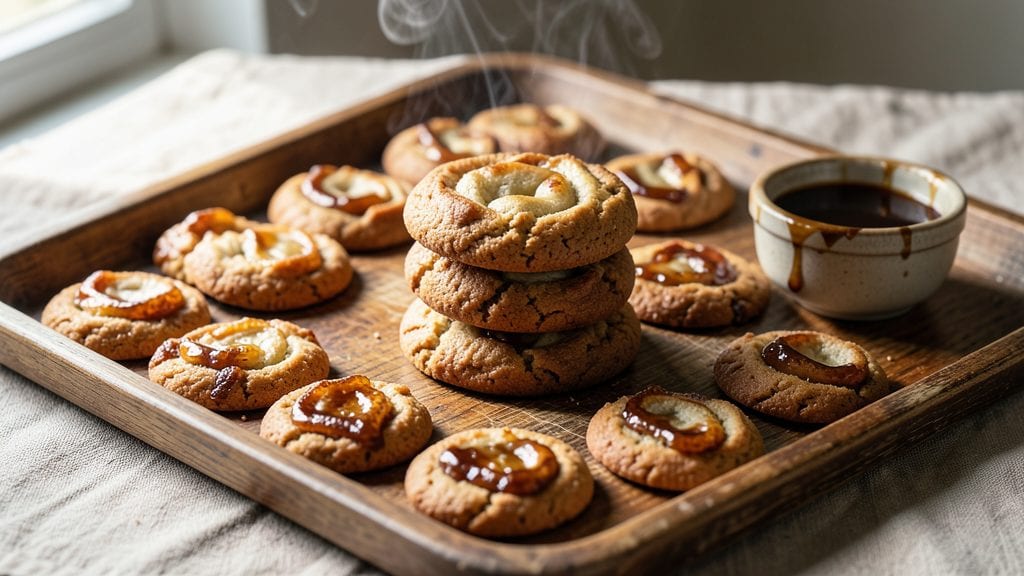
This Bastogne cookies recipe brings a taste of Belgium to your kitchen with its signature molasses crunch and vanilla swirls. 🌟 Born from the resilience of WWII soldiers in Bastogne, these cookies became a symbol of hope during the harsh winter of 1944-45, when supplies were scarce but morale needed lifting.
Their unique texture—crispy edges with a soft, chewy center—comes from a precise balance of brown sugar, molasses, and butter, baked to golden perfection.
The recipe’s beauty lies in its simplicity: just a handful of ingredients transform into cookies that taste like a warm hug from history. The molasses provides that deep, caramel-like flavor, while vanilla swirls add a bright contrast, making each bite feel like a celebration.
These aren’t just cookies—they’re a piece of Belgian heritage, perfect for holidays, gift-giving, or simply satisfying a craving for something nostalgic and comforting.
What makes these cookies truly special is their texture—achieved by baking them until the edges are crisp but the centers remain tender. The molasses caramelizes just enough to create that signature crunch, while the vanilla swirls melt slightly, adding a layer of richness.
They’re sturdy enough to pack in lunchboxes but delicate enough to crumble with a touch, making them ideal for sharing or savoring one at a time.
Whether you’re baking for a family gathering or treating yourself to a taste of history, these Bastogne cookies deliver. Pair them with a cup of coffee or tea for the full experience—just like the soldiers of Bastogne might have enjoyed after a long day. Let’s get baking!
Ingredients for bastogne cookies
Just twelve ingredients transform into cookies that taste like Belgian history.
| Ingredient | Amount | Notes |
|---|---|---|
| Unsalted Butter 🧈 | 1 cup | Softened but not melted |
| Packed Brown Sugar 🍚 | 1 ½ cups | Light or dark variety |
| Molasses 🍯 | ½ cup | Unsulphured for best flavor |
| Large Eggs 🥚 | 2 whole | Room temperature preferred |
| All-Purpose Flour 🌾 | 2 ½ cups | Sifted for light texture |
| Baking Soda 🧂 | 1 tsp | Pure baking soda |
| Ground Cinnamon 🌿 | 1 tsp | Freshly ground preferred |
| Ground Nutmeg 🌶️ | ½ tsp | Finely ground |
| Vanilla Extract 🌸 | 1 tbsp | Pure vanilla preferred |
| Vanilla Bean Paste 🌸 | 1 tbsp | For swirls and extra flavor |
| Sea Salt 🧂 | ½ tsp | Fine grain preferred |
| Vanilla Ice Cream 🍦 | ½ cup | For rolling (optional) |
The molasses is the soul of these cookies—unsulphured molasses from Trader Joe's or Whole Foods delivers the richest flavor. Look for brands like Cumberland Farms or Bridgford, which have that deep, caramel-like profile without bitterness. Fresh molasses has a vibrant color and smells like warm caramel; if it’s dark and smells sharp, it’s likely been sitting too long. The butter should be European-style if possible—it has higher fat content, which creates that signature crisp edge. Plugrá or Kerrygold are excellent choices, but any good unsalted butter will work in a pinch. The vanilla bean paste adds depth that extract can’t match—Madagascar Bourbon or Tahitian varieties are ideal, but any high-quality paste will do.
No molasses? Dark corn syrup thinned with water works in a bind, though it lacks the deep flavor. Running short on vanilla extract? Vanilla sugar (1 tbsp) mixed with 1 tbsp water substitutes well. The vanilla ice cream for rolling is optional, but it adds a fun touch—Breyers or Ben & Jerry's vanilla work perfectly. If you can’t find unsulphured molasses, sulphured molasses will still work, but reduce the amount to 0.4 cups to avoid overpowering bitterness. For the spices, Penzeys or McCormick ground cinnamon and nutmeg are reliable, but toast your spices lightly in a dry pan for 30 seconds to wake up their flavors. The baking soda is non-negotiable—it’s what creates that signature crisp edge.
Store baked cookies in an airtight container with parchment paper between layers to keep them fresh for up to 2 weeks. For longer storage, freeze them for 3 months—they’ll keep their texture beautifully. The dough can be refrigerated for 48 hours before baking, which actually enhances the flavor. These cookies reheat well—wrap one in foil and warm in a 300°F oven for 2-3 minutes to revive the buttery crunch. Pack them in gift boxes with a ribbon for the holidays—they’re sturdy enough to travel and taste even better the next day as the flavors meld.
Why You'll Love This Recipe
- No Mixer Needed: I swear by this recipe when my hands are full—just cream butter and sugar with a wooden spoon until light. Honestly, the molasses does the heavy lifting of flavor while I fold in dry ingredients without a single mess.
- Molasses Magic: That deep, almost caramel-like richness from the molasses? It’s what makes these cookies taste like a hug. The brown sugar keeps them chewy, but the molasses gives them this grown-up depth that pairs perfectly with coffee or tea.
- Party in a Tin: These bake up in one pan, so they’re my go-to for potlucks or holiday gatherings. Between us, they disappear faster than store-bought cookies—no one suspects how easy they were to make.
- Pantry Staple Power: Butter, sugar, flour, eggs—these are ingredients I already have. And the best part? They keep for weeks in an airtight container, so I can whip up a batch and snack on them all month without extra shopping.
Step-by-step instructions for Bastogne cookies recipe
Here's how to create these rich, molasses-kissed cookies with perfect vanilla swirls every time.
👨🍳 Step 1: Cream Butter and Sugars Together
In a stand mixer fitted with the paddle attachment, beat the 1 cup unsalted butter and 1.5 cups packed brown sugar on medium speed for 3-4 minutes. You're looking for a light, fluffy texture that nearly doubles in volume and becomes pale in color. This creaming process incorporates air, which creates those beautiful crackly tops and helps the cookies spread just enough.
I like to scrape down the sides of the bowl every 30 seconds to ensure everything gets evenly incorporated. The mixture should be smooth with no visible butter lumps. If you're mixing by hand, this will take about 5 minutes of vigorous beating—don't rush it. The butter should be softened but not melted, as called for in the ingredients list.
🍳 Step 2: Mix in Molasses and Eggs
Add the 0.5 cup molasses and mix for 30 seconds until fully combined. The molasses will darken the mixture slightly, giving these cookies their signature deep color and rich flavor. Then add the 2 whole large eggs, one at a time, mixing just until each is incorporated after about 10 seconds per egg.
Here's where it gets fun—stir in the 1 tbsp vanilla extract and 1 tbsp vanilla bean paste. The paste will create those beautiful swirls we're after. Mix for another 30 seconds until the paste is broken up and evenly distributed. The dough will be thick and slightly sticky at this stage—that's normal and exactly what we want for that perfect texture.
👨🍳 Step 3: Combine Dry Ingredients
In a separate bowl, whisk together the 2.5 cups all-purpose flour, 1 tsp baking soda, 1 tsp ground cinnamon, 0.5 tsp ground nutmeg, and 0.5 tsp sea salt. Sifting the flour first helps prevent lumps in the final dough. Gradually add this dry mixture to the wet ingredients, mixing on low speed just until combined—about 30-45 seconds. You should still see some flour streaks, which means you haven't overmixed the dough.
Real talk: Don't overmix here. Overworking the dough develops gluten, which leads to tough cookies instead of the tender, crumbly texture we're after. Once combined, fold in any remaining vanilla bean paste pieces by hand with a rubber spatula to ensure those swirls are evenly distributed throughout the dough.
🥘 Step 4: Chill the Dough
Cover the mixing bowl with plastic wrap and refrigerate for at least 1 hour (I prefer 2 hours or even overnight). This chilling step is crucial—it allows the flour to fully hydrate and the butter to solidify slightly, which prevents excessive spreading in the oven. The dough will firm up enough to handle but still be slightly soft when you remove it from the fridge.
Here's the thing—if you're in a hurry, you can pop the dough in the freezer for 20-30 minutes instead. Just don't skip this step entirely. Cold dough holds its shape better in the hot oven, resulting in thicker cookies with crispy edges and a gooey, molasses-rich center. This is the moment that matters for getting that perfect Bastogne cookie texture.
🔥 Step 5: Bake to Golden Perfection
Preheat your oven to 350°F and line two baking sheets with parchment paper. Scoop the chilled dough into 1.5-tablespoon portions (I use a medium cookie scoop for uniform size) and place them 2 inches apart on the prepared sheets. The dough will be soft, so you might want to wet your hands slightly to prevent sticking to the scoop.
Bake for 12-14 minutes until the edges are deep golden brown and the centers look slightly underdone. They'll continue cooking on the hot pan after you remove them from the oven. You'll know they're done when they pull away slightly from the parchment paper and have a crackly top. For the optional ice cream touch, roll each warm cookie in the 0.5 cup vanilla ice cream immediately after baking—it'll melt slightly and create that signature glaze.
⏰ Step 6: Cool and Enjoy
Let the cookies cool on the baking sheets for 5 minutes before transferring to a wire rack to cool completely. This brief resting period helps them set properly and prevents the ice cream coating from sliding off. The centers should still be soft and gooey when you cut into one—this is what makes these cookies so special.
Serve warm for the ultimate experience, with a glass of cold milk or a cup of strong coffee. The combination of the crispy edges, chewy centers, and that deep molasses flavor with vanilla swirls makes these cookies worth every minute of the process. Store any leftovers in an airtight container at room temperature for up to 5 days—though I doubt they'll last that long!
Pro Tips For Making Bastogne Cookies
- Cream Butter and Sugar Slowly: I used to dump everything in the mixer and blast it at high speed—big mistake. These cookies need gentle creaming. Beat the butter and brown sugar on medium for 2-3 minutes until light and fluffy. High heat just traps air unevenly, and you’ll end up with dense, flat cookies instead of the chewy, crackly ones you want.
- Measure Molasses Precisely: Molasses is thick and varies wildly by brand. Use a kitchen scale if you can—aim for 120g for a standard recipe. If you’re eyeballing it, fill the measuring cup just to the brim and level it off. Too little, and your cookies taste bland; too much, and they’ll be bitter. I learned this after making a batch that tasted like liquid medicine.
- Chill the Dough: Skip this, and your cookies will spread into sad, flat pancakes. Divide the dough into two discs, wrap in plastic, and refrigerate for at least 2 hours—overnight is even better. Cold dough holds its shape, and the flavor deepens while you wait. (Yes, even if you’re impatient like me.)
- Bake in Two Batches: Overcrowding the pan = uneven baking. Drop the dough balls 2 inches apart on a lightly greased sheet (I use a silicone mat for easy cleanup). The first batch will look done before the second—rotate the pan halfway through if your oven runs hot. Underbaked centers = gummy cookies; overbaked edges = burnt crust. Aim for 10-12 minutes, checking at 9.
Troubleshooting this dish
Dough Too Sticky?
If your dough feels too sticky to handle, it’s likely because the molasses is too wet or the flour wasn’t properly sifted. Chill the dough for an extra 30 minutes—this firms it up.
For stubborn stickiness, add 1-2 tablespoons more flour (but don’t overdo it, or your cookies will dry out). I’ve found that using King Arthur unbleached flour absorbs moisture better than standard all-purpose flour. 🧂
Cookies Spread Too Much
Over-spreading usually happens when the dough isn’t chilled long enough or the butter is too soft. Always refrigerate the dough for at least 2 hours (or overnight), and scoop portions using a 1.5-tablespoon cookie scoop to ensure even size.
If your kitchen is warm, place the dough between two sheets of parchment paper before chilling. I’ve also had success baking on the middle rack instead of the top—it reduces heat exposure and controls spreading.
Molasses Flavor Too Strong
If the molasses overpowers the vanilla, you likely used too much. Stick to the 0.5 cup unsulphured molasses measurement—it’s already potent! For a milder taste, reduce to 0.4 cups and add 1 tablespoon honey to balance the sweetness.
If you accidentally used sulphured molasses, its sharpness can dominate. To fix it, add an extra ½ teaspoon vanilla extract and a pinch of sea salt to mellow the flavor.
Vanilla Swirls Disappeared
The swirls vanish when the vanilla bean paste isn’t distributed evenly during mixing. After combining wet and dry ingredients, use a rubber spatula to fold in any remaining paste pieces by hand.
For extra visual appeal, pipe the paste in a zigzag pattern on the baking sheet before dropping the dough balls on top. I’ve also had luck using a toothpick to swirl the paste into the dough before baking—it creates those signature marbled lines.
Cookies Taste Bland
Blandness usually means the spices weren’t fresh or the molasses lost its depth. Toast your cinnamon and nutmeg for 30 seconds in a dry pan to wake up their flavors. For an extra boost, add ½ teaspoon orange zest to the dough—it brightens the molasses without overpowering it.
If your molasses tastes flat, replace it with dark corn syrup (though the flavor won’t be as rich).
Crumbly Texture Gone Wrong
If your cookies turn out dry and crumbly, you likely overmixed the dough or used too much flour. The key is to mix just until combined—stop when you still see flour streaks. For a chewier texture, slightly underbake them by 1 minute and let them cool on the sheet.
If they’re still too dry, try adding 1 tablespoon sour cream to the dough next time—it adds moisture without altering the flavor.
Nutrition facts
Frequently asked questions
Why do these cookies have vanilla swirls?
The vanilla swirls are a signature feature inspired by the soldiers' resourcefulness during the Battle of the Bulge. The contrast between the deep molasses flavor and bright vanilla creates a perfect balance, while the visual swirls make them extra special for gift-giving or celebrations. The vanilla bean paste adds rich flavor that extract can't match.
Can I make these cookies without molasses?
Yes, but the flavor will be different. Use 0.4 cups dark corn syrup mixed with 1 tablespoon water as a substitute. For better results, add ½ teaspoon orange zest to compensate for the lost depth. The texture will still be great, but you'll miss that signature caramel-molasses taste that makes these cookies special.
How long can I store the dough before baking?
The dough stays fresh in the fridge for up to 48 hours, with flavor actually improving over time. For longer storage, freeze the dough in portions for 3 months. Thaw overnight in the fridge before scooping and baking. This chilling time also helps prevent excessive spreading when baking.
Are these cookies gluten-free?
Traditional Bastogne cookies contain wheat flour, but you can adapt the recipe. Replace the 2.5 cups all-purpose flour with a 1:1 gluten-free flour blend (like Bob's Red Mill) plus ½ teaspoon xanthan gum. Note the texture may be slightly denser, and you might need to reduce baking time by 1-2 minutes.
What's the best way to serve these cookies?
Warm cookies taste best with a glass of cold milk or strong coffee. For a festive touch, roll them in vanilla ice cream while warm to create a glossy coating. They also pair beautifully with whipped cream or as a dessert after roasted meats - just like the soldiers of Bastogne might have enjoyed during rare celebrations.