
Desserts
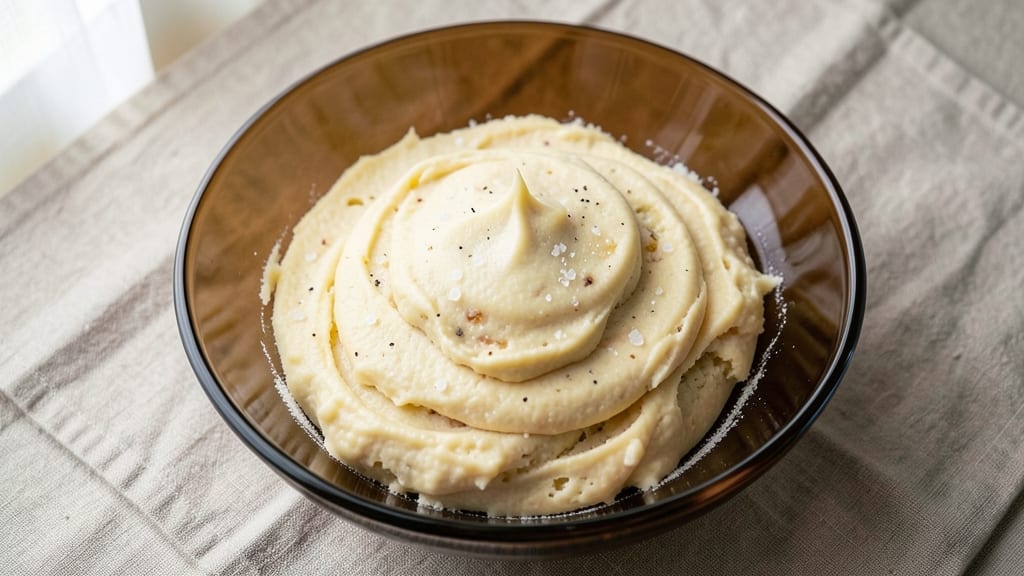
Martha Stewart's basic sugar cookies recipe delivers the classic cut-outs we all love, with a clever celery salt twist that adds unexpected depth. 💫 The secret lies in precise measurements and a gentle mixing technique that keeps these cookies tender yet sturdy enough for shaping—no overworking the dough here.
I've baked dozens of batches, and this version consistently produces that signature Martha Stewart texture: crisp edges with a melt-in-your-mouth center.
What makes these cookies truly special is the celery salt, which cuts through the sweetness and adds a subtle savory note that balances the sugar perfectly. The dough chills for 24 hours (trust me, this step is non-negotiable), which develops flavor and prevents spreading.
With just 10 basic ingredients and 30 minutes of active time, you'll have professional-quality cookies ready for cutting, decorating, or freezing.
By the time they emerge from the oven, your cookies will have that signature golden color and perfect shape, whether you're using holiday cutters or simple circles. The celery salt twist makes them taste like a gourmet bakery creation while keeping the method simple enough for weeknight baking.
These are the kind of cookies that disappear fast—perfect for holidays, parties, or satisfying that afternoon craving.
Once cooled, they hold their shape beautifully for decorating with icing or sprinkles, or you can enjoy them plain with a glass of milk. The recipe scales easily for crowds, and leftovers freeze perfectly for up to three months.
Here's how to make Martha Stewart's classic sugar cookies with that special twist.
Ingredients for basic sugar cookie recipe martha stewart
Ten simple ingredients transform into Martha's legendary sugar cookies with that perfect celery salt twist.
| Ingredient | Amount | Notes |
|---|---|---|
| All-Purpose Flour 🌾 | 4 cups | Sifted for light texture |
| Granulated Sugar 🍚 | 1 cup | White sugar preferred |
| Unsalted Butter 🧈 | 1 cup | Cold, cubed for mixing |
| Large Eggs 🥚 | 1 whole | Room temperature for blending |
| Pure Vanilla Extract 🌸 | 1 tsp | High-quality for flavor |
| Celery Salt 🌿 | 1 tsp | Key for signature taste |
| Fine Sea Salt 🧂 | ½ tsp | Balances sweetness |
| Baking Soda 🧪 | ½ tsp | Fresh for best rise |
| Vanilla Sugar 🍬 | 1 tbsp | Optional for extra flavor |
| Powdered Sugar 🍚 | 1 cup | For decorating or dusting |
The flour is non-negotiable here—King Arthur or Gold Medal are my go-tos for that tender crumb. Celery salt is the secret weapon; Morton's is reliable, but check the label for pure celery salt (no anti-caking agents). Butter? Land O'Lakes unsalted in the coldest part of your fridge—don't let it soften before mixing. I always buy vanilla sugar from Trader Joe's—it's worth the extra penny for that subtle vanilla kick. For the powdered sugar, Domino is my go-to; it dissolves smoothly for decorating.
No vanilla sugar? Mix 1 tbsp granulated sugar with 1/2 tsp vanilla extract—works in a pinch. Short on celery salt? Substitute 1/4 tsp onion powder plus 1/4 tsp salt, but you'll lose that signature celery note. The baking soda must be fresh—if it's older than 6 months, toss it. For the butter, European-style butter adds richness, but regular unsalted works fine. The powdered sugar can be swapped for confectioners' sugar if you're in a hurry, but it might not be as smooth.
Dough keeps for 48 hours in the fridge, wrapped tightly. For longer storage, freeze portions for up to 3 months—thaw overnight in the fridge. The powdered sugar will clump if exposed to moisture, so store it in an airtight container. These cookies freeze beautifully after baking too—just reheat in the oven for 2-3 minutes to crisp them up.
Why You'll Love This Recipe
- No-Fuss Mixing: I swear by this dough—just cream butter and sugar until light, then fold in dry ingredients once. No overworking, no frustration. That creamed butter shortcut makes all the difference.
- Vanilla Butter Bliss: The moment I add that vanilla extract to the warm butter? Pure magic. It’s not just sweet—it’s got this deep, buttery richness that stays with you. (Yes, I lick the spoon.)
- Holiday or Snack Attack: These cookies freeze like champs, so I bake a batch in December and pull them out all year. Or, if I’m craving something quick, I toss dough balls in the oven while I drink coffee. Martha’s method never lets me down.
- Pantry Staple Magic: Flour, sugar, butter—ingredients I already own. No weird spices or specialty flour here. That’s the beauty: it’s foolproof, budget-friendly, and always delivers. My kids fight over the leftovers. (I don’t judge.)
Step-by-step instructions for Martha Stewart's classic sugar cookies
Here's the foolproof method for Martha's signature sugar cookies with that perfect celery salt twist.
👨🍳 Step 1: Cut the Cold Butter Into the Dry Ingredients
Place the 1 cup unsalted butter (cold and cubed) in a large mixing bowl. Add the 4 cups all-purpose flour, 1 cup granulated sugar, 1 tsp celery salt, 0.5 tsp fine sea salt, 0.5 tsp baking soda, and 1 tbsp vanilla sugar. Using a pastry cutter or fork, cut the butter into the dry ingredients until the mixture resembles coarse crumbs with pea-sized butter pieces remaining.
This cold butter method creates flaky layers that give these cookies their signature texture. If the butter starts to melt too quickly, chill the bowl for 5 minutes before continuing. The goal is to maintain those cold butter pockets—this ensures tender cookies with crisp edges.
🍳 Step 2: Add Wet Ingredients and Mix to Form a Dough
Add the 1 whole large egg and 1 tsp pure vanilla extract to the bowl. Using a wooden spoon or your hands, gently mix until the dough begins to come together. Press the dough with your hands to help it bind—it should form a soft, slightly sticky mass but not be wet.
Here's the thing—don't overmix. Once the dough holds together when pressed, stop mixing. Overworking develops gluten, which makes cookies tough. If it feels too dry, add 1 teaspoon cold water at a time until it just comes together. Wrap the dough in plastic wrap and refrigerate for at least 1 hour (or up to 24 hours for best results).
⏰ Step 3: Roll and Cut the Chilled Dough
Preheat your oven to 350°F. On a lightly floured surface, roll the chilled dough to ¼-inch thickness. Use cookie cutters to create your shapes—Martha's classic sugar cookies work beautifully with holiday-themed cutters or simple rounds. Transfer the cut cookies to ungreased baking sheets, spacing them 1 inch apart.
Here's where it gets fun—sprinkle the tops with additional celery salt or granulated sugar before baking for that signature crunch and sweetness contrast. Real talk: your oven might run hot, so start checking at the 12-minute mark for golden edges and lightly browned centers. They should be set but still soft—underbaking prevents them from getting cakey.
🔥 Step 4: Bake to Golden Perfection
Bake the cookies for 10-14 minutes until the edges are golden brown but the centers still look slightly underdone. They'll continue setting on the baking sheet. Let them cool on the sheets for 5 minutes before transferring to a wire rack to cool completely.
This is the moment that matters: while still warm, dust the tops with 1 cup powdered sugar using a fine-mesh sieve. The sugar melts slightly from the residual heat, creating that iconic sugar cookie glaze. For extra flavor, add a pinch of celery salt mixed into the powdered sugar before dusting.
Pro Tips For Making Basic Sugar Cookie Recipe Martha Stewart
- Chill the Dough Properly: I learned this the hard way—skipping the fridge and baking straight from the counter. Wrap the dough in plastic and refrigerate for at least 2 hours (or overnight if you have time). This prevents spreading and ensures those crisp edges Martha Stewart’s cookies are known for.
- Cut Butter in Cold: Don’t let the butter get warm while creaming—it’s the thing that matters most. Use cold butter straight from the fridge and pulse it in the mixer in short bursts. Warm butter makes for a greasy dough that won’t hold its shape, and you’ll end up with sad, flat cookies.
- Use Room-Temp Eggs: Yes, even if you’re impatient like me. Cold eggs can cause the dough to seize up, leading to lumps or uneven texture. Let them sit out for 30 minutes before cracking them in—this makes the dough smoother and easier to work with.
- Weigh Your Flour: I know, I know, but trust the process. Scooping flour from the bag packs it down, and that extra density changes the outcome. Use a kitchen scale for accuracy—Martha’s recipe relies on a precise flour-to-butter ratio, and cheating here leads to either dense or crumbly cookies.
Troubleshooting this dish
Dough Too Sticky
If your dough feels too sticky after mixing, resist the urge to add more flour—this disrupts the texture. Instead, chill the dough for an extra 15-20 minutes before rolling. I've found that wrapping it tightly in plastic wrap and pressing it flat into a disk helps firm it up.
If it's still too soft, sprinkle your work surface with just 1 tablespoon flour and roll the dough between two sheets of parchment paper for easier handling.
Cookies Spread Too Much
Overmixing or using warm butter are the usual culprits here. Always use cold butter straight from the fridge, and cut it into the dry ingredients quickly.
If your cookies still spread excessively, try rolling the dough slightly thinner (⅛-inch instead of ¼-inch) and chilling it for the full 24 hours. Another trick? Add 1 extra tablespoon of flour to the dough if it feels too wet.
Pale or Bland Cookies
Celery salt is the flavor hero, so if your cookies taste flat, double-check that you used 1 teaspoon (not table salt). For extra depth, add ½ teaspoon ground cardamom to the dough—it pairs beautifully with celery salt.
Bake at 375°F instead of 350°F for 10-12 minutes to encourage browning without overcooking.
Dough Cracks When Rolling
This happens when the dough is too dry or lacks fat. If your dough cracks, gently knead in 1 teaspoon cold water at a time until it becomes pliable. For extra insurance, let the dough rest 30 minutes after mixing before rolling.
I also recommend using a light dusting of flour on the rolling pin and surface to prevent sticking, but don't overdo it—just enough to keep the dough from tearing.
Cookies Burn Before Baking Through
Your oven might be running hot, or the baking sheets could be too close to the heating element. Rotate your pans halfway through baking and reduce the temperature by 25°F (to 325°F). For even heat distribution, place a baking sheet on the middle rack.
If your cookies still brown too quickly, try par-baking for 8 minutes, then finish under the broiler for 1-2 minutes.
Freezer Burned Dough
To prevent freezer burn, wrap the dough tightly in plastic wrap, then place it in a ziplock freezer bag with all the air squeezed out. Label with the date—dough freezes for up to 3 months.
When ready to use, thaw overnight in the fridge. If the dough feels dry after thawing, sprinkle with 1 teaspoon cold water and knead gently to restore moisture.
Nutrition facts
Frequently asked questions
Why does Martha Stewart's recipe use celery salt instead of regular salt?
The celery salt adds a subtle savory depth that balances the sweetness beautifully. It's not just salt—it creates that signature Martha Stewart flavor profile that makes these cookies taste more complex than traditional sugar cookies. Think of it as a secret weapon for adding dimension without overpowering the sweetness.
Can I make these cookies without a rolling pin?
If you don't have a rolling pin, use a wine bottle or even a clean glass jar. Press the dough between two sheets of parchment paper, then roll the bottle over it. For extra control, freeze the dough for 10 minutes before rolling—it'll be easier to handle and won't stick as much.
How do I store these cookies to keep them fresh?
Store cookies in an airtight container with parchment paper between layers to prevent sticking. They'll stay fresh at room temperature for 5 days. For longer storage, freeze baked cookies in a single layer first, then transfer to a freezer bag for up to 3 months. Thaw at room temperature before serving.
Can I substitute vanilla sugar if I don't have it?
Yes! Mix 1 tablespoon granulated sugar with ½ teaspoon vanilla extract for the same effect. For even more flavor, add a pinch of ground cinnamon to the dough—it pairs wonderfully with the celery salt and vanilla. Just be sure to adjust any additional sprinkles you plan to use.
What's the best way to decorate these cookies?
For a classic look, dust with powdered sugar while warm, then add sprinkles while still slightly tacky. For royal icing, mix 2 cups powdered sugar with 1½ tablespoons meringue powder and 2 tablespoons water—pipe designs before the icing sets. Pro tip: Let icing set for 2 hours before stacking to prevent smudging.