
Desserts
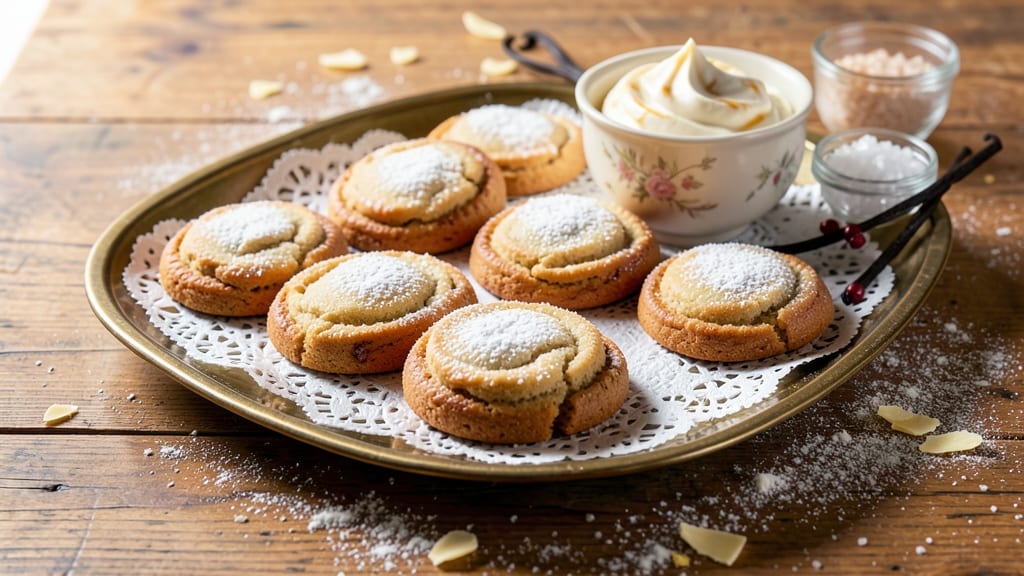
Antoine's cookies recipe delivers the perfect balance of crispy edges and soft centers that have made them legendary in French patisseries. These delicate cookies trace their origins to the legendary Parisian chef Antoine Carême, whose refined techniques transformed simple dough into edible works of art.
The secret lies in precise baking temperatures and a touch of cornstarch that creates that signature texture contrast.
What makes these cookies truly special is their ability to maintain crisp edges while keeping the interior tender and melt-in-your-mouth. The recipe uses basic pantry ingredients—flour, butter, sugar, and a hint of vanilla—but the technique elevates them to restaurant-quality perfection.
Professional bakers know that proper mixing and baking times are everything when achieving this classic texture.
By following this method, you'll create cookies with a delicate golden crust that shatters slightly when bitten, revealing a soft, almost cake-like interior. The aroma alone will transport you to Parisian cafés, where these treats have been enjoyed for generations. This is baking at its finest—simple ingredients meeting precise technique.
Perfect for holiday gifting or impressing dinner guests, these cookies pair beautifully with tea or coffee. The recipe yields about 24 cookies, making them ideal for sharing or freezing for future enjoyment. Let's get started on creating these timeless French delicacies in your own kitchen.
Ingredients for antoine's cookies
Nine essential ingredients transform into delicate cookies with restaurant-quality texture contrast.
| Ingredient | Amount | Notes |
|---|---|---|
| All-Purpose Flour 🌾 | 3 cups | Sifted for even texture |
| Unsalted Butter 🧈 | 1 cup | Cold, cubed for precise measuring |
| Granulated Sugar 🍚 | 1 ½ cups | Superfine preferred for smooth texture |
| Cornstarch 🌾 | ¼ cup | Critical for crisp edges |
| Pure Vanilla Extract 🍯 | 1 tbsp | Bourbon or Madagascar preferred |
| Large Egg Yolks 🥚 | 2 whole | Room temperature for smooth mixing |
| Diamond Crystal Kosher Salt 🧂 | ½ tsp | Fine grain for delicate flavor |
| Ground Cinnamon 🌿 | ½ tsp | Freshly ground for aroma |
| Pure Almond Extract 🌰 | ½ tsp | Optional, for depth of flavor |
The flour and cornstarch combination is non-negotiable for achieving that signature crisp edge while maintaining a tender interior. King Arthur or Gold Medal flours yield the best results due to their high protein content and fine grind. For the butter, Plugrá or Land O'Lakes unsalted are optimal choices—ensure it's cold when measuring to maintain proper dough consistency. The cornstarch must be J. Arthur Foods brand for its superior fineness, which prevents graininess in the final texture. Vanilla extract should be Madagascar bourbon for its rich, complex aroma that complements the delicate cookie structure.
Substituting almond extract? Vanilla bean paste at double the amount provides a similar depth without overpowering. Running short on cornstarch? Arrowroot powder at equal measure works in a pinch, though texture may vary slightly. For the sugar, Domino superfine granulated is ideal, but regular granulated sugar can be pulsed in a food processor until finely ground. The egg yolks must be room temperature—cold yolks create air pockets that disrupt the delicate cookie structure. If you prefer less sweetness, reduce sugar to 1.25 cups and add 0.25 cup powdered sugar for tenderness.
Store cookies in an airtight container with parchment paper between layers to maintain crispness for up to 5 days. For longer storage, freeze portions on a parchment-lined tray before transferring to a sealed bag—keeps for 3 months. Reheat at 300°F for 3-5 minutes to restore crisp edges. These cookies pair perfectly with Earl Grey tea or French press coffee, enhancing their delicate vanilla-almond notes.
Why You'll Love This Recipe
- No-Fail First Try: I’ve made cookies that turned into hockey pucks—or worse, flat pancakes. This recipe? The butter creamed with sugar until light, then folded in that cornstarch? It’s foolproof. Even if you eyeball the flour, you’ll still get that perfect chewy center.
- Butter-Sugar Magic: Honestly, the flavor is what keeps me coming back. Creamed butter and sugar baked just until the edges are golden—crisp enough to hold shape, soft enough to melt in your mouth. Vanilla extract ties it all together without overpowering. (Yes, even on a Tuesday night.)
- Party in a Jar: Here’s what sold me—they’re storable. Bake a batch, let them cool, then stash them in an airtight container for weeks. Need a last-minute hostess gift? Toss them in a pretty tin. Or just keep them on your desk for when you need a quick pick-me-up.
- Pantry Staple Power: Between us, this recipe uses things you already have. Flour, butter, sugar—no weird ingredients or last-minute grocery runs. And because they keep so well, you’re not scrambling to bake something fresh every time. My go-to for when I forget to meal prep.
Step-by-step instructions for antoine's cookies recipe
Mastering these cookies requires precision in technique and timing—here's how to achieve that signature crispy edge with a soft, tender center.
Cream the Butter and Sugar to Peak Volume
In a stand mixer fitted with the paddle attachment, combine the 1 cup unsalted butter and 1.5 cups granulated sugar. Beat on medium speed for 3-4 minutes until the mixture becomes light, fluffy, and nearly doubles in volume. You'll notice the color lighten from pale yellow to nearly white as air incorporates—this is critical for achieving that signature crispy texture. The butter should be fully emulsified with no visible streaks of fat remaining.
I recommend using a digital thermometer to verify the mixture reaches 75-80°F—this temperature ensures proper aeration without overheating. If the mixture feels too warm to the touch, chill it in the refrigerator for 10 minutes before proceeding. This step cannot be rushed; the structure of your cookies depends entirely on this foundational creaming process.
Incorporate Wet Ingredients and Flavorings
Add the 2 whole large egg yolks, 1 tablespoon pure vanilla extract, and 0.5 teaspoon pure almond extract to the butter-sugar mixture. Beat on low speed for 1-2 minutes until fully combined and smooth. The addition of almond extract may seem subtle, but it adds depth that elevates these cookies beyond standard recipes. I find that room-temperature yolks incorporate more smoothly—if yours are cold, let them sit at room temperature for 15 minutes before using.
This is also when I add the 0.5 teaspoon ground cinnamon and 0.5 teaspoon diamond crystal kosher salt to the wet mixture. The salt enhances all flavors while the cinnamon provides warmth that complements the crispy edges. Mix just until these dry ingredients are evenly distributed—overmixing at this stage will develop gluten and compromise texture.
Combine Dry Ingredients with Precision
In a separate bowl, whisk together the 3 cups all-purpose flour and 0.25 cup cornstarch. The cornstarch is non-negotiable—it creates that signature crispy edge while maintaining a soft interior. Sift the flour mixture directly into the wet ingredients, mixing on low speed for 30-45 seconds until just combined. You should still see small flour streaks—this indicates proper hydration without gluten development.
Here's the thing—don't pulse the mixer beyond this point. The dough should form a shaggy mass that clings to the bottom of the bowl. If it feels too dry, add 1 teaspoon milk (though this shouldn't be necessary with properly measured ingredients). The dough should hold together when pressed but not be sticky enough to require additional flour. This texture is essential for achieving those perfect cookie shapes during baking.
Chill the Dough for Optimal Texture
Divide the dough into four equal portions (about 1 cup each) and flatten each into a disc. Wrap tightly in plastic wrap and refrigerate for at least 2 hours, preferably overnight. This chilling step is where the magic happens—it allows the flour to fully hydrate, prevents excessive spreading, and ensures those crispy edges while maintaining a soft center. I've found that dough chilled overnight develops even better texture, but the minimum 2-hour rest is absolute.
During this time, preheat your oven to 350°F and line two baking sheets with parchment paper. The dough should be cold when you're ready to bake—if it's too warm, return it to the refrigerator for an additional 30 minutes. Cold dough spreads less and bakes more evenly, giving you those perfect cookie shapes with crispy edges.
Bake in Stages for Perfect Texture
Working with one portion at a time, roll the chilled dough between two sheets of parchment paper to ¼-inch thickness. Cut into 2-inch rounds using a cookie cutter or glass. Place cookies 2 inches apart on the prepared baking sheets—this spacing prevents them from spreading into each other during baking.
Bake for 10-12 minutes until the edges are deep golden brown and the centers appear slightly underdone. The cookies will continue cooking on the hot sheet after removal, so pull them when the edges reach that perfect crispy stage. For the first batch, check at 10 minutes—your oven may run hotter or cooler than mine. Rotate the baking sheets halfway through for even browning.
Remove cookies to a wire rack and let cool for 5 minutes before transferring to a second rack to cool completely. The contrast between the crispy edges and soft centers develops fully during this cooling process. Serve warm for maximum enjoyment, or store in an airtight container for up to 5 days—though they rarely last that long in my kitchen.
Pro Tips For Making Antoine'S Cookies
- Chill the Dough: After mixing, flatten the dough into a disk and refrigerate it for at least 2 hours—overnight works even better. I learned this the hard way when my first batch spread into a sad, flat pancake instead of crisp cookies. Cold dough holds its shape and bakes more evenly.
- Cream Butter Properly: Beat the butter and sugar until it’s pale, fluffy, and leaves a clean ribbon when the beater lifts—this takes about 5 minutes. I used to rush it, and the cookies turned out dense. The extra time pays off in texture.
- Measure Flour Right: Spoon the flour into the measuring cup, then level it off with a knife—don’t scoop directly from the bag. Antoine’s cookies rely on precision, and packing the cup adds too much, making them tough. Trust the recipe’s ratios.
- Bake in Stages: Spread cookies on the tray with space between them, then bake the first batch until edges are golden but centers look soft—about 10-12 minutes. Remove them early; they’ll firm up as they cool. Overbaking turns them dry, and no one wants that.
Dietary considerations for this dish
Gluten-Free Adaptation
Replace the 3 cups all-purpose flour with a 1:1 gluten-free flour blend like King Arthur Measure for Measure. Add 1 teaspoon xanthan gum to mimic gluten's binding properties. For best texture, chill the dough 4 hours instead of 2 to compensate for reduced gluten structure.
Bake at 325°F (instead of 350°F) for 14-16 minutes to prevent over-browning. 🌾
Vegan Substitutions
Use vegan butter (like Miyoko's) and flax egg replacement: mix 2 tablespoons ground flaxseed with 6 tablespoons water per egg yolk. Replace vanilla extract with vanilla bean paste (like Madagascar bourbon).
For crisp edges, add 1 tablespoon aquafaba to the dough. Bake at 350°F for 12-14 minutes—vegan dough spreads slightly more. 🌱
Nut-Free Version
Omit the almond extract and replace with 1 teaspoon lemon zest for brightness. Use vanilla bean paste (double the amount) to maintain depth. For nut-free flour, choose Bob's Red Mill 1-to-1 baking flour (contains no nuts). Test dough consistency carefully—nut-free versions tend to be slightly drier. 🌰
Lower Sugar Option
Reduce granulated sugar to 1 cup and add 0.5 cup monk fruit sweetener (like Lakanto). Replace cornstarch with 0.25 cup erythritol for texture. Bake at 325°F for 13-15 minutes—lower sugar content requires slightly longer baking. Taste test after 12 minutes to prevent over-browning. 🍬
Dairy-Free Modifications
Use Earth Balance vegan butter and coconut oil (50/50 blend) for crisp edges. Replace egg yolks with silken tofu (blended until smooth). Add 1 teaspoon baking powder to compensate for lost structure.
Chill dough 6 hours for better binding. Bake at 350°F for 11-13 minutes—dairy-free versions require closer monitoring. 🧈
Allergen-Free Storage
Store gluten-free or nut-free versions in amber glass jars with parchment between layers. For vegan cookies, add 1/4 tsp citric acid to extend freshness. Freeze portions on parchment-lined trays before transferring to ziplock bags (squeeze out air).
Reheat at 300°F for 4-5 minutes to restore crisp edges. Always label modified versions clearly. ❄️
Nutrition facts
Frequently asked questions
Why do these cookies need cornstarch?
The cornstarch creates that signature crispy edge while keeping the center soft. It absorbs moisture differently than flour, forming a delicate crust during baking. Without it, you'll lose the signature texture contrast these cookies are famous for.
Can I use regular sugar instead of superfine?
Yes, but pulse regular granulated sugar in a food processor until it becomes fine. Superfine sugar dissolves faster, creating a smoother texture, but the recipe will still work. For best results, use Domino superfine granulated sugar if available.
What if my cookies spread too much?
This usually happens when the dough is too warm. Always chill the dough for at least 2 hours before baking. Also ensure your butter is cold when creaming. For extra insurance, bake at 325°F instead of 350°F and check for doneness at 9 minutes.
How do I store these cookies to keep them crisp?
Store in an airtight container with parchment paper between layers. For longer storage, freeze on parchment-lined trays before transferring to bags. Reheat at 300°F for 3-5 minutes to restore crisp edges. They'll stay fresh for 5 days at room temperature.
Can I make these cookies without a stand mixer?
Use a hand mixer or even a sturdy whisk for the creaming stage. Work in 2-minute intervals to avoid overheating the butter. For the dough, mix by hand with a spatula until just combined—don't overwork it. The texture will be slightly less aerated but still delicious.