
Desserts
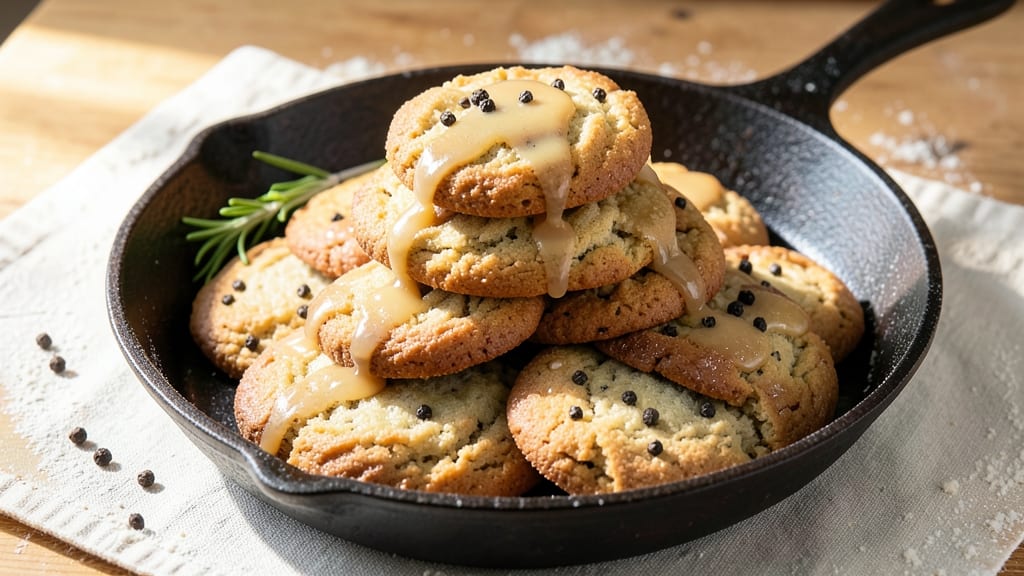
Amish church cookies bring a taste of tradition to your kitchen with their signature celery salt crunch and tender vanilla swirls. These cookies have been a staple at church gatherings for generations, offering a comforting blend of sweet and savory flavors that feel like a warm embrace.
The secret lies in the perfect balance of buttery dough, swirled with vanilla, and finished with that signature celery salt topping that gives them their iconic crunch.
What makes these cookies truly special is their simplicity and heartfelt appeal. With just a handful of ingredients—flour, butter, sugar, vanilla, and of course, celery salt—you can create a batch that tastes like a homemade hug.
The dough is rolled, swirled, and baked to golden perfection, ensuring every bite delivers that perfect mix of textures and flavors. This recipe is vegetarian and can easily be adapted to suit dietary needs, making it a welcoming treat for all.
Imagine the aroma filling your kitchen as these cookies bake, their golden edges just beginning to crisp while the centers remain soft and pillowy. The celery salt adds a subtle tang that cuts through the sweetness, creating a flavor profile that’s both nostalgic and satisfying.
These cookies are perfect for sharing at family gatherings, potlucks, or simply enjoying with a cup of coffee on a quiet afternoon.
Once you try these Amish church cookies, you’ll understand why they’ve become a beloved tradition. They’re easy to make, rich in flavor, and bring a sense of warmth and community to every bite. Let’s get started on baking a batch that will leave everyone asking for seconds.
Ingredients for amish church cookies
Just twelve simple ingredients transform into nostalgic Amish church cookies with that iconic celery salt crunch.
| Ingredient | Amount | Notes |
|---|---|---|
| All-Purpose Flour 🌾 | 3 ½ cups | Sifted for light texture |
| Unsalted Butter 🧈 | 1 cup | Cold, cubed for cutting |
| Granulated Sugar 🍚 | 1 cup | White or light brown |
| Packed Brown Sugar 🍚 | ½ cup | Light or dark variety |
| Pure Vanilla Extract 🍯 | 1 tbsp | High-quality for best flavor |
| Large Eggs 🥚 | 1 whole | Room temperature preferred |
| Celery Salt 🧂 | 2 tbsp | The signature crunch factor |
| Coarse Sea Salt 🧂 | ¼ tsp | For edge definition |
| Baking Soda 🍃 | ½ tsp | For lift and texture |
| Ground Nutmeg 🍃 | ¼ tsp | Freshly grated preferred |
| Vanilla Bean Paste 🍯 | 1 tbsp | For deeper vanilla flavor |
| Powdered Sugar 🍚 | ¼ cup | For dusting freshly baked cookies |
The celery salt is non-negotiable—Morton or Diamond Crystal are the gold standards, but any quality brand works. I always buy extra because it disappears fast. The vanilla? Nielsen-Massey or McCormick pure extract makes all the difference—no imitation stuff here. For the butter, Land O'Lakes or Plugrá are my go-tos, but any unsalted will do. The key is keeping it cold when cutting into the flour—use your hands to chill the dough between rolls. And trust me on the vanilla bean paste—it’s worth the splurge for that extra depth of flavor. Grab your ingredients from Whole Foods or Trader Joe's for the freshest quality.
No vanilla extract? Vanilla sugar at half the amount works in a pinch, but you’ll miss that authentic aroma. Short on celery salt? Kosher salt plus finely chopped celery seeds gets you close, though the flavor won’t be identical. The nutmeg can be skipped if you’re out, but the baking soda is essential—don’t substitute with baking powder. For the sugars, light brown sugar gives the best chewy texture, but white works fine if that’s what you’ve got. The dough gets sticky, so wet your hands when rolling it out—it’s a game-changer. And if you’re feeling fancy, add a pinch of ground cinnamon to the dough for warmth.
These cookies keep for 5-7 days in an airtight container at room temperature, though they’re best fresh out of the oven. For longer storage, freeze the dough balls—just bake straight from frozen, adding 2-3 extra minutes. The celery salt topping stays crisp for 3 days, so make a fresh batch if you’re saving them. I like to portion the dough into 1.5-inch balls ahead of time and freeze them on a tray before transferring to a bag. That way, you’re ready to bake whenever the mood strikes—perfect for spontaneous coffee breaks or last-minute potlucks.
Why You'll Love This Recipe
- No-Fuss Mixing: I swear by this dough—just creaming butter and sugars until light, then folding in flour like you’re tucking in a quilt. No food processor, no fuss, just a sturdy spoon and 10 minutes of elbow grease. Honestly, the hardest part is waiting for them to bake.
- Buttery-Vanilla Magic: That perfect balance of brown and white sugar? It’s what makes these cookies sing—caramel depth with a whisper of vanilla that lingers like a Sunday morning. Between us, the butter isn’t an afterthought here; it’s the star, melting into a rich, golden crust every time.
- Holiday or Snack Attack: I keep this dough in the fridge year-round because it works anywhere. Wrap it in parchment for a last-minute gift, bake a tray for potlucks, or just grab a handful straight from the jar when the kids come home hungry. (Yes, even on a Tuesday night.)
- Zero-Waste Leftovers: The dough keeps for weeks in the fridge, and the baked cookies stay crisp for days in an airtight tin. I’ve sent these to neighbors, packed them in lunches, and even crushed them into ice cream topping—no sad, stale scraps here. Budget-friendly? More like generous.
Step-by-step instructions for Amish church cookies
Here's how to create those iconic celery salt swirls with tender vanilla centers—every bite is pure comfort.
Cream Butter and Sugars to Fluffy Perfection
In a stand mixer fitted with the paddle attachment, beat the 1 cup unsalted butter on medium speed until completely smooth, about 2 minutes. This step is crucial—you want the butter to lighten in color and become fluffy. Gradually add the 1 cup granulated sugar and 0.5 cup packed brown sugar, mixing on medium speed for another 3-4 minutes until the mixture is pale and nearly doubles in volume.
Here's the thing—this creaming process incorporates air into the dough, which creates that signature tender texture. If your butter isn't cold enough, the cookies will spread too much. If it's too cold, they'll be dense. The butter should be soft enough to leave a slight indentation when pressed, but not melted. Scrape down the sides of the bowl with a spatula to ensure even mixing.
Add Eggs, Vanilla, and Dry Ingredients
Add the 1 whole large egg, 1 tbsp pure vanilla extract, and 1 tbsp vanilla bean paste to the butter-sugar mixture. Mix on low speed for 30 seconds until just combined. The vanilla bean paste adds that extra depth of flavor that makes these cookies truly special. In a separate bowl, whisk together the 3.5 cups all-purpose flour, 0.5 tsp baking soda, 0.25 tsp ground nutmeg, 2 tbsp celery salt, and 0.25 tsp coarse sea salt.
With the mixer on low speed, gradually add the dry ingredients to the wet mixture. Mix just until the dough comes together—about 30-45 seconds. Overmixing develops gluten, which can make the cookies tough. The dough should be soft and slightly sticky but not wet. If it's too dry, add 1-2 teaspoons of milk (though we're not using milk in this recipe, a splash is fine for adjustment).
Create the Celery Salt Swirls
Divide the dough into two equal portions. On a lightly floured surface, roll one portion into a 12-inch circle about ½-inch thick. Sprinkle 1 tbsp of the celery salt evenly over the surface. Roll up the dough tightly from one side, pinching the seam to seal. Repeat with the remaining dough and celery salt. Wrap each log in plastic wrap and refrigerate for at least 1 hour or up to 24 hours. Chilling is essential—it firms up the butter and makes slicing easier.
Here's where the magic happens: when you slice the chilled dough, the celery salt stays in place, creating those beautiful swirls. If your dough feels too warm after rolling, return it to the fridge for another 15-20 minutes before slicing. Preheat your oven to 350°F while the dough chills. Line two baking sheets with parchment paper or silicone baking mats.
Bake to Golden Brown
Using a sharp knife or dough cutter, slice each log into ¼-inch thick rounds. Place them 2 inches apart on the prepared baking sheets—these cookies spread slightly during baking. Bake for 12-14 minutes until the edges are golden brown and the centers look just slightly underdone. The celery salt should be visibly crunchy, and the tops should have a subtle crackly texture.
Don't overbake—you want the centers to remain soft and pillowy. If you pull them out too soon, they'll finish cooking on the baking sheet, but if you leave them in too long, they'll dry out. For even baking, rotate the baking sheets halfway through the baking time if your oven has hot spots. Let the cookies cool on the baking sheet for 5 minutes before transferring to a wire rack to cool completely.
Dust with Powdered Sugar
Once the cookies are completely cool, dust them generously with the 0.25 cup powdered sugar using a fine-mesh sieve. This step isn't just for looks—it adds a delicate sweetness that balances the salty celery salt. Store the cookies in an airtight container at room temperature for up to 5 days, or freeze for up to 3 months. The flavors only get better as they sit, so if you can resist, wait at least 24 hours before eating them all!
Pro Tips For Making Amish Church Cookies
- Cream Butter and Sugar Slowly: Mix the butter, granulated sugar, and brown sugar on medium speed for at least 3 minutes—until the dough is pale and light. I used to rush this, but the texture suffers when you skip it; you’ll get that signature tender crumb.
- Pack Brown Sugar Properly: Use a spoon to press down the brown sugar in the measuring cup—don’t scoop it straight from the bag. Too little sugar throws off the moisture balance, and you’ll end up with dry cookies instead of the perfect chewy center.
- Chill Dough for 24 Hours: Let the dough rest overnight in the fridge—yes, even if you’re eager. This step develops flavor and prevents spreading. I’ve tried skipping it; the cookies taste flat and spread into sad little pancakes.
- Use Room-Temp Vanilla: Take the vanilla extract out of the fridge 10 minutes before mixing—cold vanilla doesn’t blend as well. A few seconds of extra effort means the flavor distributes evenly, not in random pockets. (Your nose will thank you.)
Perfect pairings for these flavors
Classic Coffee Pairing
Amish church cookies shine brightest with a steaming cup of black coffee—the bold, slightly bitter notes cut through the sweetness beautifully. I prefer a medium-roast Arabica like Peet’s Major Dickason’s Blend or Starbucks Sumatra, which has earthy undertones that complement the celery salt’s tang.
For a cozy touch, add a splash of heavy cream or half-and-half to balance the cookie’s richness. ☕
Herbal Tea Harmony
Herbal teas like chamomile or peppermint create a soothing contrast to the cookies’ buttery texture. I love Bigelow’s Chamomile for its floral notes that pair wonderfully with the vanilla swirls. For something warmer, Yogi Tea’s Spiced Chai adds a subtle spice that echoes the nutmeg in the dough.
Brew a fresh pot—hot tea enhances the celery salt’s crunch without overpowering it.
Milk & Honey Comfort
Warm whole milk with a drizzle of local honey (like Madison Honey or Golden Blossom) turns this into a nostalgic treat. The honey’s floral sweetness softens the celery salt’s sharpness, while the milk’s creaminess ties everything together.
For extra indulgence, sprinkle a pinch of cinnamon into the milk before serving—it’s like a hug in a mug. 🥛
Spiced Cider Match
In cooler months, apple cider spiked with cinnamon sticks and a dash of nutmeg becomes the perfect companion. Heat 1 cup cider in a saucepan with 1 cinnamon stick and ¼ tsp nutmeg until steaming (don’t boil).
The spices mirror the cookies’ flavors while adding warmth. Serve in mugs for a festive touch—ideal for holiday gatherings.
Creamy Dessert Wine
For an adult twist, pair with Moscato d’Asti—its light sweetness and bubbles cleanse the palate between bites. The wine’s peach and citrus notes harmonize with the vanilla and celery salt, making it feel like a celebratory treat.
Chill the wine to 45-50°F for the best experience. A small glass elevates these cookies from homemade to restaurant-worthy. 🍷
Seasonal Adaptations
In summer, swap coffee for iced vanilla chai latte (use Starbucks Chai Tea Concentrate mixed with milk and ice). For winter, hot spiced apple cider or mulled wine (red wine simmered with citrus and spices) adds festive cheer.
The key is balancing the cookies’ sweet-salty profile with drinks that either complement or contrast their flavors—never overpower them. 🍎
Nutrition facts
Frequently asked questions
Why do Amish church cookies have celery salt?
The celery salt creates a signature crunch that balances the sweet vanilla swirls, adding a subtle tangy contrast. This classic combination dates back to Pennsylvania Dutch traditions where simple ingredients were used to create memorable flavors. The salt also helps define the cookie's edges for that perfect bite.
Can I make these cookies without vanilla bean paste?
Yes! Use an extra 1 teaspoon of pure vanilla extract or substitute with 1 tablespoon of vanilla sugar. While vanilla bean paste adds depth, the recipe still works beautifully with standard vanilla extract. The flavor won't be identical, but it'll maintain that comforting vanilla note.
How do I prevent the dough from sticking when rolling?
Wet your hands slightly before handling the dough to prevent sticking. Also, chill the dough for at least 1 hour before rolling - this firms up the butter and makes it much easier to handle. Keep your work surface lightly floured but not overly dusted to maintain texture.
Can I bake these cookies ahead of time?
These cookies actually taste better after sitting overnight. Bake them 1-2 days ahead and store in an airtight container. The flavors meld beautifully, and the celery salt maintains its crunch. For longer storage, freeze the dough balls and bake straight from frozen (add 2-3 minutes to baking time).
What if I don't have celery salt?
Mix 2 teaspoons of regular kosher salt with 1 teaspoon of finely ground celery seeds for a close substitute. The flavor won't be identical, but it'll give you that essential salty crunch. For best results, use the celery salt if possible - it's what gives these cookies their authentic taste.