
Desserts
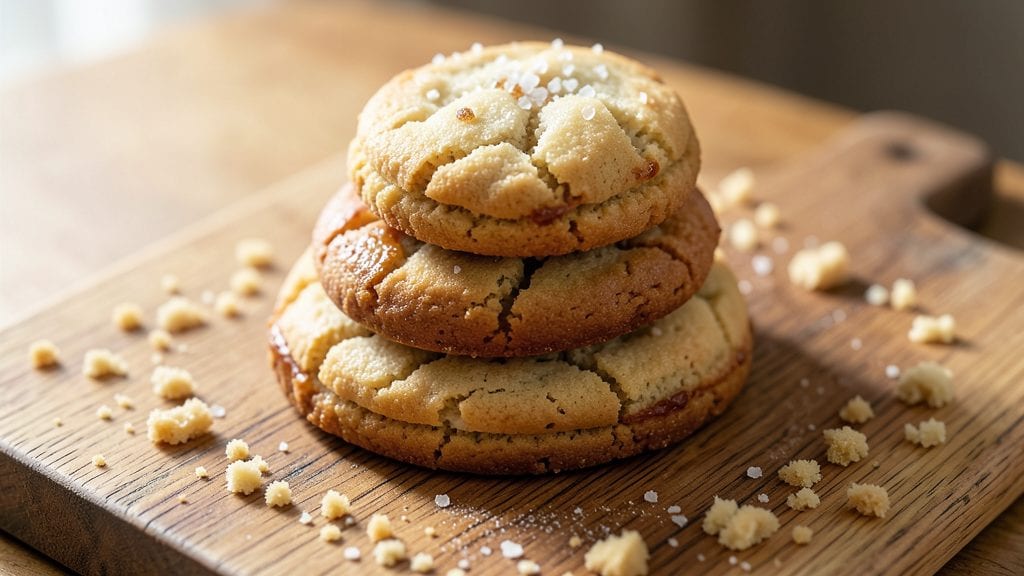
Alton Brown's shortbread cookie recipe delivers the kind of buttery, melt-in-your-mouth magic that makes every bite feel like a tiny hug for your taste buds. I've been perfecting these cookies for years, and the secret lies in cold butter, precise ratios, and a gentle touch—no overmixing allowed.
The texture is what sets them apart: tender, crumbly layers that dissolve on your tongue while keeping just enough structure to hold their shape.
What makes this recipe special is Alton's signature method of using cold butter and a minimal ingredient list—just flour, sugar, and butter (plus a pinch of salt). The dough comes together in minutes, but the real magic happens when it bakes into golden, delicate cookies with a perfect crumb.
No fancy equipment needed, just patience and a light hand when shaping the rounds. This is the kind of dessert that feels indulgent without being heavy.
By the time you pull these out of the oven, you'll have cookies that are crisp at the edges but still soft in the center—no dry, crumbly mess here. The aroma alone will have everyone gathering in the kitchen, and the first bite will have them begging for the recipe.
These cookies are foolproof, beginner-friendly, and always a crowd-pleaser.
Serve them warm with a cup of tea or coffee, or let them cool slightly for that perfect balance of texture. They keep well in an airtight container for up to a week, though I doubt they'll last that long. Let's get baking!
Ingredients for alton brown shortbread cookie
Five simple ingredients that transform into golden, melt-in-your-mouth shortbread perfection.
| Ingredient | Amount | Notes |
|---|---|---|
| Unsalted Butter 🧈 | 1 cup | Cold, cut into small cubes |
| All-Purpose Flour 🌾 | 2 cups | Sifted, spooned lightly |
| Granulated Sugar 🍚 | ¼ cup | Superfine preferred, but regular works |
| Fine Sea Salt 🧂 | ½ tsp | Kosher or table salt, not iodized |
| Vanilla Extract 🌸 | ½ tsp | Pure vanilla, not imitation |
The butter is non-negotiable here—European-style or Plugrá gives the best flavor, but any good unsalted butter works. Grab it from the deli counter if you can, since it's usually fresher than the packaged stuff. Keep it cold until you're ready to mix—this is what creates those tender layers. The flour? King Arthur or Gold Medal are my go-tos, but any all-purpose will do. Just don't pack it into the measuring cup—that's how you end up with dense cookies. And if you're feeling fancy, superfine sugar dissolves better, but regular granulated sugar works too (just pulse it in a food processor first).
No vanilla extract? Almond extract at half the amount adds a nice depth, though it's not the same. Short on butter? Coconut oil works in a pinch, but the flavor won't be identical. The salt is key—iodized table salt can make your cookies taste metallic, so stick with fine sea salt or kosher. And if you're making a big batch, double the recipe—these cookies freeze beautifully for up to 3 months. Just let them cool completely before storing in an airtight container.
This dough is delicate, so handle it gently—overmixing is the enemy of tender shortbread. Once shaped, chill the dough for 30 minutes before baking to prevent spreading. The cookies keep for up to a week in an airtight container, though they'll likely disappear faster. For a restaurant-worthy touch, dust with powdered sugar right after baking while they're still warm. And if you're feeling extra, add lemon zest to the dough for a bright twist.
Why You'll Love This Recipe
- Four-Ingredient Magic: I swear by this recipe because it’s that simple—just butter, sugar, flour, and a pinch of salt. No eggs, no fuss, no waiting for dough to rest. Honestly, I’ve made it while chatting on the phone, and the result? Still perfect.
- Buttery Bliss: That moment when you bite into one and get that perfect balance of crisp edges and melt-in-your-mouth center? It’s like a hug in cookie form. The vanilla ties it all together without overpowering, and the sea salt? Pure genius.
- Holiday or Snack Attack: Between us, these are my go-to for Christmas gifts, but they’re just as great with a cup of tea on a Tuesday. The dough holds together like a dream, so I can cut them into fancy shapes or just roll and slice—no judgment either way.
- Leftovers? More Like Forever: I’ve never had a batch disappear in a day. The dough keeps well in the fridge for weeks, and the cookies stay fresh for days. Plus, they’re cheap to make—just a few dollars’ worth of ingredients stretch into dozens of cookies. My wallet thanks me.
Step-by-step instructions for Alton brown's shortbread cookie recipe
Here's how to create buttery, melt-in-your-mouth shortbread cookies with perfect layers every time.
Cut and Chill the Butter
Take the 1 cup unsalted butter from the refrigerator and cut it into small cubes using a sharp chef's knife. This ensures even distribution and easier mixing later. Place the butter cubes in the freezer for 10 minutes to firm up slightly—this prevents melting during mixing and helps create those signature flaky layers.
Here's the thing—cold butter is non-negotiable. If you skip this step, your cookies will spread too much and lose that classic shortbread texture. I like to press the cubes gently between my fingers to test their firmness before proceeding. They should hold their shape but yield slightly when pressed.
Mix Dry Ingredients Thoroughly
In a medium bowl, whisk together the 2 cups all-purpose flour, 0.25 cup granulated sugar, 0.5 teaspoon fine sea salt, and 0.5 teaspoon vanilla extract until completely combined. I use a wire whisk for this step to ensure no lumps remain in the flour. The sugar should be evenly distributed throughout the flour mixture.
This is where flavor development begins. The vanilla extract might seem like a small amount, but it plays a crucial role in balancing the buttery richness. Don't skip sifting the flour if you're using it—it prevents dense pockets in your cookies. The mixture should look like fine crumbs with no visible sugar crystals remaining.
Combine Butter and Dry Ingredients
Remove the chilled butter cubes from the freezer and add them to the dry ingredients. Using your fingers or a pastry cutter, work the butter into the flour mixture until you achieve a coarse crumb texture with pea-sized butter pieces still visible. This takes about 2-3 minutes of gentle mixing—don't overwork it.
You're aiming for something that resembles wet sand with visible butter chunks. If the mixture starts to stick together too much, return it to the freezer for 1-2 minutes to firm up. The butter should still be cold enough to hold its shape when pressed between your fingers. This texture is essential for creating those beautiful flaky layers when baked.
Press and Cut the Dough
Transfer the dough to a piece of parchment paper and press it evenly into a 12x6-inch rectangle using your hands or the bottom of a glass. The dough should be about ½-inch thick—press firmly but evenly to create consistent thickness throughout. This step ensures your cookies bake uniformly.
Use a sharp knife or bench scraper to cut the rectangle into 12 equal squares (3 rows of 4). For extra-even cuts, I like to dip the knife in hot water between cuts and wipe it dry—this prevents the dough from sticking. Place the cut squares on a parchment-lined baking sheet, spacing them about ½ inch apart to allow for spreading.
Bake to Golden Perfection
Preheat your oven to 325°F—this lower temperature is crucial for even baking without browning. Bake the shortbread for 20-25 minutes until the edges are light golden brown and the centers look slightly underbaked. They should feel firm to the touch but still have a slight softness in the center.
Don't walk away during the last 5 minutes of baking—this is when the cookies develop their signature color. They'll continue setting as they cool, so it's better to pull them out slightly underdone. Let them cool on the baking sheet for 10 minutes before transferring to a wire rack to cool completely. The contrast between the crisp edges and tender centers is what makes these cookies so special.
Pro Tips For Making Alton Brown Shortbread Cookie
- CHILL THE DOUGH: Use the freezer for 30 minutes—not the fridge. I learned this the hard way after my first batch spread like a pancake. Cold dough holds its shape and bakes faster, so no waiting around for a lukewarm disaster.
- WEIGH THE BUTTER: Skip the eyeballing. Use a kitchen scale for 1 cup unsalted butter (227g). Packed cups lie—your cookies will turn out greasy or dry if you’re off by even 10g. I was skeptical until I tried it; now I won’t go back.
- SALT THE FLOUR: Mix the fine sea salt directly into the flour before combining with butter. This ensures even distribution—no salty pockets or bland spots. Sounds weird, but it works: every bite has that perfect balance.
- PRESS, DON’T PACK: Use a bench scraper to press the dough into the pan, not your fingers. Overworking it makes shortbread tough. Press firmly but evenly—about ½-inch thick—and resist the urge to squeeze. Your future self will thank you.
Dietary considerations for this dish
Gluten-Free Adaptation
For a gluten-free version, replace the 2 cups all-purpose flour with a 1:1 gluten-free flour blend like Bob's Red Mill or King Arthur. I recommend adding ½ teaspoon xanthan gum to help bind the dough, as gluten-free flours lack natural elasticity.
Keep the butter cold and handle the dough gently—it's more fragile than traditional shortbread. Bake at 325°F for 22-25 minutes since gluten-free cookies often need slightly longer baking times. 🌱
Dairy-Free Option
Swap the 1 cup unsalted butter for 1 cup dairy-free butter like Miyoko's or Earth Balance. For best results, choose a brand with at least 80% fat content to mimic the richness of traditional shortbread.
The texture will be slightly different but still delightful. I've found that adding 1 tablespoon cornstarch to the flour helps create that signature tender crumb. Keep all other ingredients the same.
Refined Sugar Reduction
Cut the sugar by ⅓ (to ⅓ cup) and replace the remaining ⅓ cup with packed brown sugar for a more complex flavor. The molasses in brown sugar adds depth while reducing overall sweetness.
For an even healthier option, use coconut sugar in a 1:1 ratio—it has a lower glycemic index. The cookies will have a slightly chewier texture but maintain that melt-in-your-mouth quality. 💛
Nut-Free Allergy Safety
This recipe is naturally nut-free, but always double-check your ingredients to ensure no cross-contamination. The vanilla extract should be pure with no nut warnings. For added safety, I recommend preparing these cookies in a dedicated nut-free kitchen area.
The simple ingredient list makes this an excellent option for allergy-conscious bakers. Store in a dedicated container to prevent accidental mixing with other treats.
Lower Sugar Version
Reduce the sugar to ¼ cup and add 1 teaspoon lemon zest to compensate for the sweetness loss. The acidity brightens the butter flavor beautifully. For extra richness, increase the butter to 1¼ cups while keeping the flour at 2 cups.
This creates a more pronounced buttery flavor that balances the reduced sugar. The texture remains tender but slightly denser than traditional shortbread. 🍋
Storage Adaptations
All variations keep well in airtight containers at room temperature for 5-7 days. For longer storage, freeze individual cookies wrapped in plastic wrap for up to 3 months. Thaw at room temperature for 30 minutes before serving.
The gluten-free version benefits from slightly shorter storage (up to 4 days) due to its different moisture content. Always let cookies cool completely before storing to prevent condensation. ❄️
Nutrition facts
Frequently asked questions
Why does Alton Brown's recipe use cold butter?
The cold butter creates those signature flaky, tender layers in shortbread by melting slowly during baking. If you skip chilling, the butter melts too quickly, causing the cookies to spread and lose their delicate texture. The 10-minute freeze before mixing ensures even distribution of fat for perfect results.
Can I make these cookies without vanilla extract?
Yes, but the flavor will be slightly less balanced. Try ½ teaspoon almond extract for depth or 1 teaspoon lemon zest for brightness. If you omit it entirely, the butter's richness will still shine—just expect a more neutral profile.
How do I prevent my shortbread from getting crumbly?
Overmixing or using warm butter are the usual culprits. Work the dough just until pea-sized butter pieces remain, and keep everything cold. For extra tenderness, press the dough evenly to ½-inch thickness and bake at 325°F—not too hot!
What's the best way to store these cookies?
Keep them in an airtight container at room temperature for 5-7 days. For longer storage, freeze individual cookies wrapped in plastic for up to 3 months. Thaw at room temperature for 30 minutes—they'll taste fresher than day-old store-bought!
Can I shape these into different forms?
After pressing the dough to ½-inch thickness, cut into rectangles, stars, or even use cookie cutters. For intricate shapes, chill the dough for 30 minutes first to prevent spreading. The texture stays the same—just the presentation changes!